



Pakistan and Afghanistan hold talks in China’s Urumqi to end conflict
- In Reports
- 06:45 PM, Apr 02, 2026
- Myind Staff
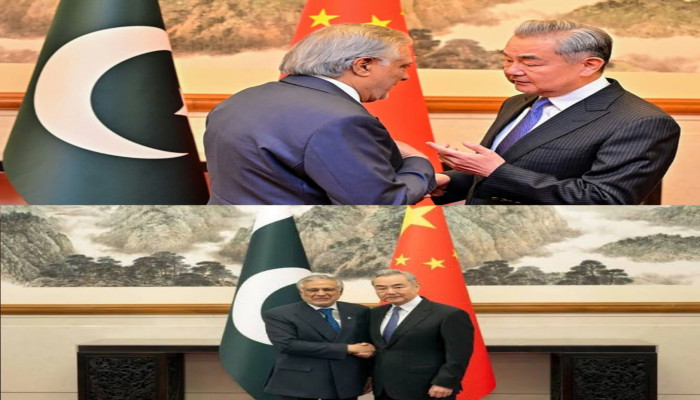
Pakistan and Afghanistan have initiated a new round of talks in Urumqi, China, in an effort to reduce tensions that have reached a serious level since the Taliban returned to power in 2021. The discussions are being facilitated by China, which has stepped in to mediate between the two sides amid growing instability and repeated clashes along the border. The meeting reflects a renewed attempt to bring both countries to the negotiating table after weeks of escalating conflict.
Officials from both nations held talks to address security concerns that have strained relations. The tensions emanated from Pakistan’s repeated allegations that militant groups operating from Afghan territory are carrying out attacks across the border. Afghanistan has denied these accusations and maintained that such issues are internal matters for Pakistan. This disagreement has been at the centre of the worsening ties between the two neighbours.
The current dialogue follows recent diplomatic engagements involving Pakistan and China. China expressed willingness to help ease tensions and encouraged both sides to hold dialogue instead of confrontation. The Urumqi meeting is being seen as a continuation of those efforts, with Beijing playing an active role in bringing both parties together.
A senior Pakistani official confirmed the development and said, “A delegation led by an official from Pakistan's Ministry of Foreign Affairs is in Urumqi to hold talks with the Afghan Taliban.” The official further added, “The meeting is taking place at the request of our Chinese friends.” Another official said, “The meeting is to set a base for full-scale dialogue.” These remarks suggest that the discussions are an initial step towards broader negotiations rather than a final resolution.
Pakistan has reiterated its key concerns during the talks. It has called on Afghanistan to take firm and verifiable action against militant groups and to ensure that its territory is not used for launching attacks. These demands have been consistent in Pakistan’s stance and are expected to remain a major focus of the dialogue. The issue of cross-border militancy continues to be the most critical challenge in improving relations between the two countries
The situation between Pakistan and Afghanistan worsened significantly after a series of military actions earlier this year. Pakistan carried out airstrikes inside Afghan territory, claiming to target militant hideouts. This led to retaliatory actions and intense exchanges along the border. Although there was a brief ceasefire during the Eid period, it did not hold for long, and hostilities resumed soon after.
One of the most serious incidents during this phase was an air strike on a drug rehabilitation centre in Kabul. Afghan authorities claimed that a large number of people were killed, while Pakistan rejected these claims and termed the target to be militant infrastructure. This incident deepened mistrust.
The Urumqi talks were held at a mid-level diplomatic and security level involving officials from foreign affairs, defence, and intelligence. The discussions would focus on border management, militant activity, and ways to prevent further escalation. The talks would explore the possibility of reopening border crossings, affected by conflict and disrupted trade and movement.
China’s role in these talks highlights its growing role in regional diplomacy. Stable ties between Pakistan and Afghanistan are important for Beijing for security and broader regional interests. China aims to prevent further escalation and encourage a peaceful resolution through dialogue by facilitating talks.
Despite the renewed engagement, expectations are low. Officials termed the talks exploratory in nature, and immediate breakthroughs are unlikely. Both sides agreeing to meet and discuss their differences is seen as a positive development. The talks could play a significant role in shaping future relations between Pakistan and Afghanistan and help reduce tensions in the coming months.



 Loading...please wait
Comments