




Pakistan accused of presenting different versions of ceasefire to US and Iran
- In Reports
- 06:29 PM, Apr 09, 2026
- Myind Staff
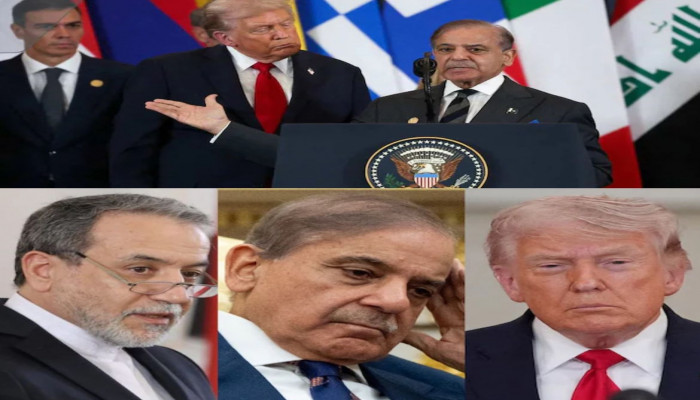
The recently announced ceasefire between the United States and Iran has quickly turned into a subject of confusion and dispute, with serious questions being raised about Pakistan’s role as a mediator. While both sides initially appeared to agree on a truce, differences in interpretation have exposed possible gaps in communication. At the centre of this uncertainty is Pakistan, which is now being accused of presenting different versions of the ceasefire terms to each party in an attempt to secure a diplomatic breakthrough.
The situation became more complicated when Iran briefly reopened the Strait of Hormuz following the ceasefire announcement made by US President Donald Trump. However, the move was reversed after Israel continued its military operations in Lebanon, targeting multiple cities, including Beirut, in its ongoing campaign against Hezbollah. Iran has maintained that Lebanon was clearly included in the ceasefire terms it shared with the United States. On the other hand, both the US and Israel have firmly denied that Lebanon was ever part of the agreement.
This contradiction has led to speculation that crucial details were either lost in communication or deliberately altered during mediation. Pakistan, acting as the intermediary, now faces allegations of tailoring the agreement differently for each side. It appears that Islamabad may have presented terms that suited the expectations of both Washington and Tehran without ensuring mutual clarity. This approach has raised concerns that Pakistan attempted to satisfy both parties without fully aligning their understandings.
The controversy has intensified scrutiny on Pakistan’s leadership, particularly Prime Minister Shehbaz Sharif. While Sharif publicly expressed concern over ceasefire violations and stated that such actions “undermine the spirit of peace process,” his government has not clarified why there is such a stark difference in how the agreement is being interpreted. Questions remain about whether Pakistan shared inconsistent documents or failed to communicate key conditions effectively.
Earlier, Sharif had confidently announced the ceasefire on social media, suggesting that all areas of conflict were covered. In his statement, he said, “With the greatest humility, I am pleased to announce that the Islamic Republic of Iran and the United States of America, along with their allies, have agreed to an immediate ceasefire everywhere, including Lebanon and elsewhere, EFFECTIVE IMMEDIATELY.” This declaration now appears to be at odds with the position taken by the United States, further deepening doubts about the accuracy of Pakistan’s mediation.
Iran, too, has shown signs of frustration over the situation. Its Foreign Minister, Seyed Abbas Araghchi, directly referred to Sharif’s statement while criticising the continued Israeli strikes in Lebanon. Highlighting the inconsistency, he stated, “The Iran–U.S. Ceasefire terms are clear and explicit: the U.S. must choose—ceasefire or continued war via Israel. It cannot have both. The world sees the massacres in Lebanon. The ball is in the U.S. court, and the world is watching whether it will act on its commitments.” His remarks underline Iran’s belief that Lebanon was indeed part of the agreed terms.
However, the United States has categorically denied this claim. White House press secretary Karoline Leavitt addressed the issue in a press briefing, stating clearly, “Lebanon is not part of the ceasefire. That has been related to all parties involved in the ceasefire.” This statement has not only contradicted Iran’s understanding but has also placed Pakistan in an uncomfortable position, raising doubts about its credibility as a mediator.
The unfolding situation suggests that Pakistan may have been attempting to reassert its relevance on the global stage by facilitating a major diplomatic agreement. However, instead of strengthening its position, the current confusion risks damaging its reputation further. By seemingly offering different assurances to both sides, Pakistan now faces criticism for complicating an already fragile situation.
As tensions continue in Lebanon and the broader region, the lack of a clear and unified ceasefire agreement has made the situation more volatile. The disagreement over whether Lebanon is included highlights how fragile diplomatic efforts can become when communication is unclear or inconsistent. What was initially presented as a breakthrough now appears to be a contested arrangement with significant gaps.
The episode underscores the importance of transparency and precision in international negotiations. Without a shared understanding of terms, even a well-intentioned ceasefire can quickly lose its meaning. In this case, the differing interpretations have not only weakened trust among the involved nations but have also cast a shadow over Pakistan’s role in the process.



 Loading...please wait
Comments