




Padayatra to Kondagattu Hanuman Temple
- In Travel
- 11:34 PM, Jun 12, 2026
- Harish Cholleti
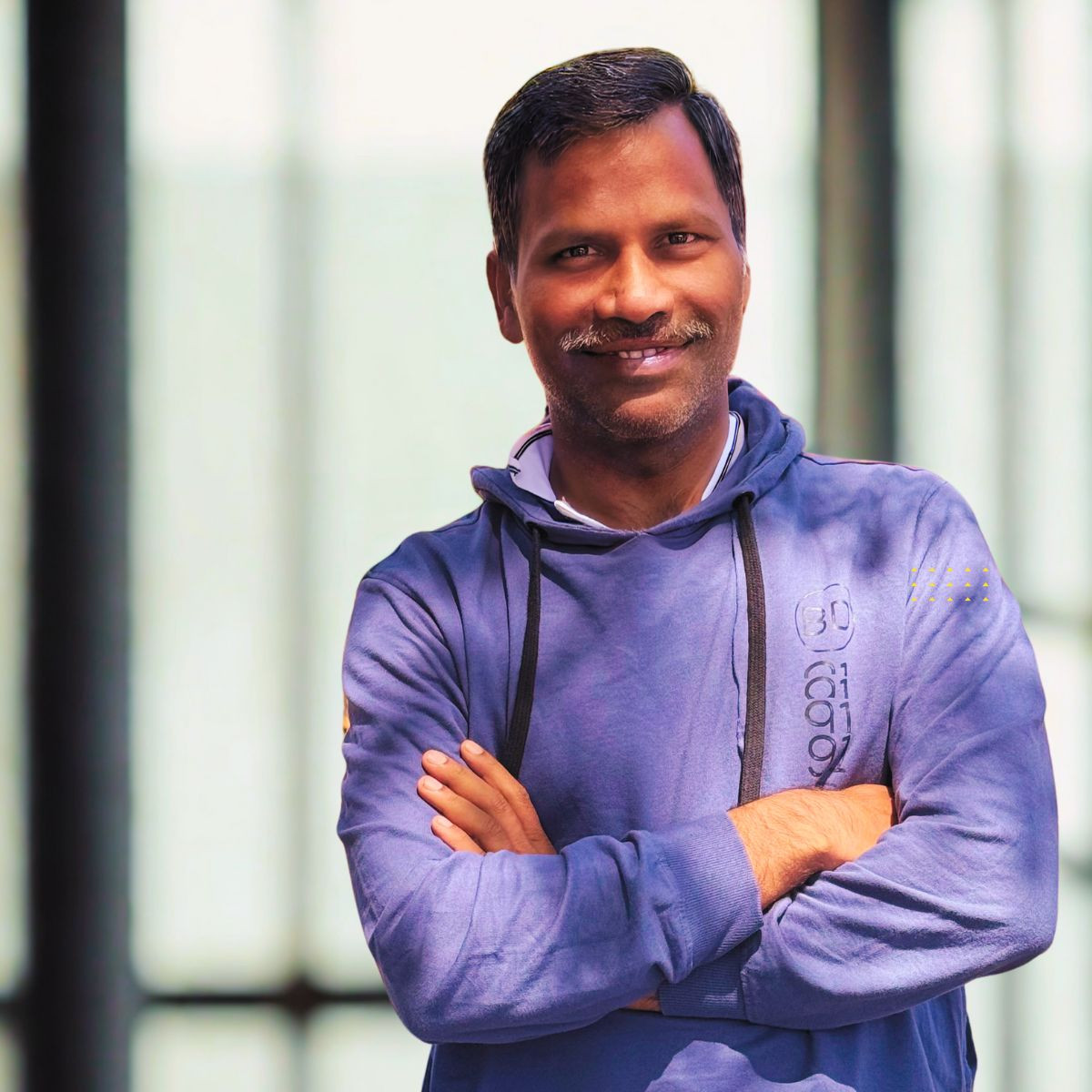
For most of the year, I live in the City and work in IT, working with devices and computing power. Twenty years in IT, you get used to thinking in meetings and deadlines, in the steady noise of things that keep needing your attention. I took Hanuman Deeksha for 21 days, and as part of this Deeksha, I also thought of walking barefoot to the Anjaneya Swamy temple at Kondagattu. Most people heard only one thing: a test of endurance, and it’s a challenge at this age. This time too, I took the padayatra along with a friend, Nripendra Mishra, who works in IT and is more spiritual than me.
That was never how it felt to me. From the first step, I was not trying to beat the road or compete with anyone. I was trying to get quiet enough to hear myself again. This was my second padayatra. The first one, in 2019, taught me mostly by going wrong. I started too fast and ran out of strength as the kilometres added up. I also walked along the painted lines on the road without thinking, and the paint burned into my bare feet. By the end, the blisters made me feel every single step.
This time was different, and the pada yatra. It was supported with regular Yoga and Meditation sadhana early in the morning before the city woke up. Regular meditation and yoga had slowly changed something in me. So, when I walked, my breath and my steps settled into the same rhythm on their own. I did not push faster or hold back. I just kept going at a consistent pace.
Same place in the padayatra – 2 different years – 2019 and 2026
I still felt tired. This time I enjoyed instead of fighting it and stayed inside me. I avoided long breaks and took only a few short ones, five minutes here and there, to stretch my back before moving on. Somewhere in those hours, I stopped treating the discomfort as a problem. It was simply part of the walk, and I made peace with it.
The weather was kind. A little rain just before I started cooled the road and took the heat out of the long stretch ahead. I stayed off the paint this time. I finished without a single blister, and the next morning my body felt lighter than I expected. When someone spends that many hours on the road, you start watching the people walking with you for the darshan of Bhagwaan Hanuman. There is nothing competitive about it. No timing, no finish line to chase. Just a lot of people moving slowly in the same direction, toward the same stillness.
Through the journey, I noticed a boy, maybe 10 (ten) years old. He was clearly in pain. His steps had gone unsteady and his face showed it. Some of the others kept telling him to rest, to climb onto one of the bikes for a while and ride the rest of the way. He kept refusing. He wanted to walk the whole way on his own feet, and nothing they said could move him. I watched him for some time, this small boy putting one sore foot after another, and my own tiredness suddenly felt very small. He reminded me that devotion has nothing to do with age or strength. It only asks that you do not stop.


During the journey, my friend Nripendra and I had several bhajans, kirtans and discussions about Ramayana. As I mentioned, he’s more spiritual than I; he made me aware of Ramcharitmanas and how it is regarded in his place, the Hanuman Chalisa and many more.
By the thirty-eighth kilometre, my legs were heavy, and the road seemed to go on without end. Then the temple came into view. I walked in and stood before Anjaneya Swamy. In that one moment of darshan, the tiredness of thirty-nine kilometres simply left me. Everything I had carried felt lighter.
It was worth every step. Not because I had won anything, but because I had arrived, calmer than when I left. The recovery was faster, too.
About the temple
Kondagattu draws lakhs of devotees for darshan of Bhagwan Hanuman; one has to understand its origins. The temple’s history spans roughly 500 years, beginning with a humble cowherd named Singam Sanjeevudu. Singam Sanjeevudu is a cattle herder, and he was tirelessly searching the rugged terrain for a lost cow/buffalo. An exhausted Sanjeevudu fell asleep. In a vivid dream, Bhagwan Anjaneya appeared and guided him to the missing cow. Upon waking and following the Bhagwan’s instructions, he discovered his cow, and alongside it, a glowing, self-manifested (swayambhu) murthy of Hanuman hidden within a cave. Overwhelmed by the miracle, his family constructed the initial shrine.

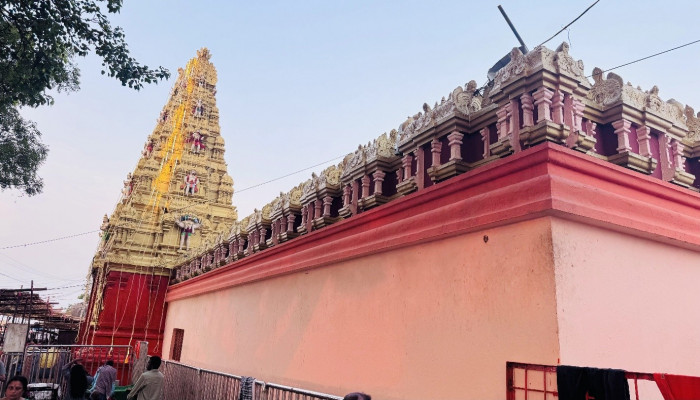
Kondagattu Temple outside view. Photography is not allowed inside the temple. So captured from outside.
A silasana (stone inscription) on the back wall of the temple still stands as a testament to these ancient origins. About 160 years ago, a devotee named Krishna Rao Deshmukh took up the responsibility of renovating the temple and donated lands, shaping the sanctuary we visited. Now, Bhagavan Hanuman sits as the presiding deity, beautifully flanked by Venkateswara Swamy and Lakshmi Ammavaru.
Another unique aspect of the Kondagattu is the presence of Bethala Swamy on the same hill. According to the local traditions, seeking his blessings is considered an integral part of the spiritual journey. We make it a point to visit the Bethala temple. His protective presence adds a powerful, grounding layer to the experience, completing the spiritual circuit of the padayatra before beginning the journey home.


 Loading...please wait
Comments