




Over 3,100 heritage sites discovered in village-to-village survey since 2014
- In Reports
- 06:39 PM, Feb 08, 2024
- Myind Staff
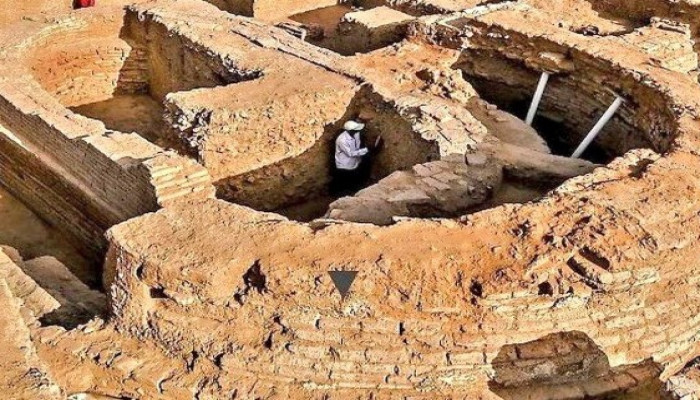
In the last nine years, the Archaeological Survey of India has conducted explorations resulting in the discovery of a substantial collection of antiquities, including temple and mosque ruins, burials, and inscriptions, along with fossils dating back to the Chola, Pandya, and Pallava dynasties. These explorations spanned over 3,100 sites across 20 states as part of a comprehensive 'village to village' survey aimed at locating and documenting archaeological remnants.
According to the culture ministry, the highest numbers of sites were explored in Jharkhand and Himachal Pradesh under the Raipur Circle and Shimla Circle, respectively. For administrative purposes, the states and union territories (UTs) are divided into 34 circles and three sub-circles.
Under Raipur Circle, a total of 679 sites were surveyed, resulting in the discovery of various significant artifacts and structures. These findings include sculptures, Shivlinga, microliths, Sati Pillars, ancient gateways, fragmented statuettes of Hindu deities, mud fortifications, and Megalithic menhirs.
In Shimla Circle, exploration was conducted at 670 sites, leading to the discovery of sculptures and remnants of temples and mosques. Meanwhile, the epigraphy branch located inscriptions at 23 sites in Mysuru, associated with dynasties originating from southern India such as Kongu-Chola, Chola, Pandya, and Pallava.
During archaeological investigations at 358 sites, Chennai Circle uncovered a natural cave containing paintings, Tamil inscriptions, temples, cist burials, and cairn circles, with prehistoric stones used in construction. Similarly, the Jaipur Circle team discovered tombs, rock-cut caves, and coins across 327 locations during their explorations.
The village-to-village survey scheme was revived in April 2014. Data collected through this survey is managed by the respective circle offices and the Director General’s Office in the national capital.
Annually, the ASI publishes departmental publications featuring early historical inscriptions, numismatics, and other significant archaeological discoveries.
During explorations conducted under the Bengaluru Circle, a total of 323 heritage sites were surveyed, revealing inscribed stones or pillars, memorial stones, inscribed burials, and pillared mandapas.
In the Jabalpur, Nagpur, and Trichy Circles, exploration efforts focused on a single site each. Noteworthy findings in Jabalpur included temple remains, rock-cut caves, stupas, and coins. In Nagpur, a Megalithic stone circle was discovered, while rock paintings were uncovered in Trichy.
Image source: FirstPost



 Loading...please wait
Comments