



‘Over 2900 incidents of violence against minorities in Bangladesh’: India expresses deep concern
- In Reports
- 07:27 PM, Dec 26, 2025
- Myind Staff
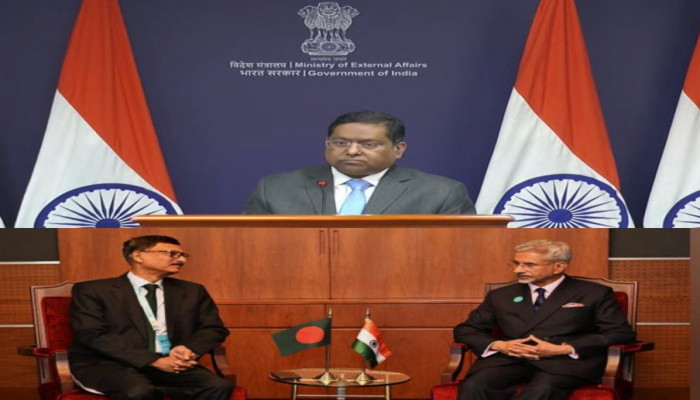
India has strongly condemned the brutal killing of a Hindu man in Bangladesh and expressed deep concern over the continued violence faced by minority communities in the country. The Ministry of External Affairs (MEA) said such incidents are alarming and must be taken seriously.
The victim, Dipu Chandra Das, was a 30-year-old garment factory worker. He was lynched by a mob last week in the Mymensingh district of Bangladesh, located around 100 kilometres from the capital Dhaka. A disturbing video of the incident later went viral on social media. In the video, the mob can be seen celebrating the act as Dipu’s naked body was tied to a tree and set on fire, highlighting the extreme brutality of the crime.
Reacting strongly to the incident, MEA spokesperson Randhir Jaiswal condemned the killing and highlighted India’s concerns over the safety of minorities in Bangladesh. Addressing the issue, Jaiswal said, “Continuing hostilities against minorities in Bangladesh, including Hindus, Christians and Buddhists matter of grave concern. We condemn the recent gruesome killing of a Hindu youth in Mymensingh and expect perpetrators to be brought to justice.”
The Indian government has repeatedly raised concerns about the increasing number of attacks against minority communities in Bangladesh. According to Jaiswal, independent sources have documented more than 2,900 incidents of violence against minorities during the period of the interim government in Bangladesh. The interim administration is currently led by Chief Adviser Muhammad Yunus.
Jaiswal stressed that these figures cannot be ignored or downplayed. He made it clear that such incidents should not be dismissed as exaggerated media reports or labelled merely as political violence. The scale and seriousness of the violence, he said, show a worrying trend that demands attention and accountability.
The MEA spokesperson also reaffirmed India’s long-standing position on Bangladesh. While expressing concern, India reiterated its support for peace, stability, and democratic processes in the neighbouring country. Speaking on India’s approach, Jaiswal said, “India stands for strengthening our ties with the people of Bangladesh. We favour peace and stability in Bangladesh. We stand for fair, free, inclusive and participatory elections in Bangladesh, which is to be held in a peaceful atmosphere.”
The violence against minorities in Bangladesh has taken place amid a tense political situation in the country. A wave of communal violence reportedly erupted following the death of student leader Sharif Osman Hadi. Hadi was a prominent figure in the July Revolution of 2024, which eventually led to the removal of then-Prime Minister Sheikh Hasina from power. Since then, Bangladesh has been governed by an interim administration.
India has maintained that incidents of violence targeting minorities harm social harmony and regional stability. The Indian government has consistently emphasised that accountability and justice are essential to prevent further unrest. The lynching of Dipu Chandra Das has further intensified concerns about the safety and rights of minority communities.
The MEA’s strong reaction reflects India’s broader diplomatic stance of advocating for human rights and the protection of minorities in the region. Officials have underlined that maintaining peace and inclusivity is crucial for Bangladesh’s future, especially as the country prepares for elections.
India’s condemnation also highlights the importance of ensuring that those responsible for such crimes are held accountable under the law. Bringing perpetrators to justice, India believes, is necessary not only for the victims and their families but also for restoring public trust and social order.
As violence against minorities continues to draw international attention, India has reiterated its hope that Bangladesh will take effective steps to address the issue. The Indian government has made it clear that its concerns are rooted in a desire for peace, stability, and strong people-to-people ties between the two nations.
The killing of Dipu Chandra Das stands as a stark reminder of the challenges faced by minority communities amid political and social unrest. India’s response underscores the seriousness with which it views such incidents and its expectation that justice and safety for all communities must be ensured.



 Loading...please wait
Comments