




Over 1,500 ships and 20,000 crew stranded as Hormuz blockade deepens Gulf crisis: IMO
- In Reports
- 04:47 PM, May 08, 2026
- Myind Staff
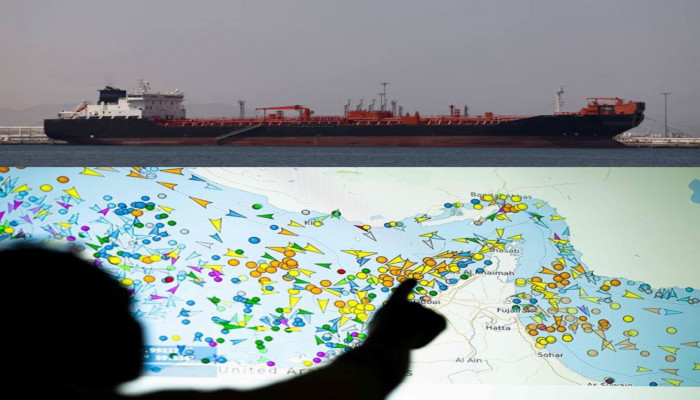
The ongoing conflict in the Middle East has severely disrupted global maritime trade, with around 1,500 ships and nearly 20,000 crew members currently stranded in the Gulf due to Iran’s blockade of the Strait of Hormuz. The situation was highlighted by Arsenio Dominguez, the chief of the International Maritime Organisation (IMO), during the Maritime Convention of the Americas held in Panama City on Thursday.
The crisis emerged after the war in the Middle East escalated on February 28, following military actions by Israel and the United States against Iran. In response, Tehran launched retaliatory actions across the region and enforced a blockade in the Strait of Hormuz, one of the world’s most important trade routes for oil and gas transportation.
Addressing the gathering of shipping industry executives and IMO representatives, Dominguez said, "Right now, we have approximately 20,000 crewmen and around 1,500 ships trapped." He stressed the importance of maritime transport to the global economy, noting that shipping carries more than 80 per cent of the products consumed worldwide.
Dominguez expressed concern for the thousands of sailors caught in the crisis. He said the stranded crew members "are innocent people who are doing their jobs every day for the benefit of other countries," but "are trapped by geopolitical situations outside their control." His remarks highlighted the growing humanitarian concerns surrounding the blockade as tensions in the region continue to rise.
The IMO chief also revealed that the violence in the Gulf has already claimed lives. Speaking to reporters later, he said, "Ten sailors have lost their lives" in more than 30 attacks on vessels operating in the region. The attacks have increased fears within the global shipping industry, with several companies closely monitoring the security situation before allowing ships to enter the Gulf waters.
Dominguez urged countries and shipping operators to avoid sending more vessels into the Gulf at the moment. According to him, such a move is necessary to prevent further casualties among sailors and reduce additional economic losses caused by the worsening crisis. The blockade has already placed immense pressure on international shipping routes and energy supplies.
Before the conflict began, nearly one-fifth of the world’s petroleum and gas supply passed through the Strait of Hormuz. The closure of this strategic route has led to a sharp rise in global hydrocarbon prices, affecting energy markets across several countries. The disruption has also raised concerns over supply shortages and growing transport costs.
Earlier this week, Donald Trump announced plans for a naval operation aimed at escorting trapped ships and reopening the strait. However, the proposed military push was called off shortly after it was announced. The decision signalled growing caution from Washington amid fears that direct military involvement could further intensify the conflict in the region.
The United States is now waiting for Iran’s response to proposals aimed at ending the war and restoring access through the Strait of Hormuz. Diplomatic efforts are continuing as global leaders try to prevent further disruption to trade and maritime security in one of the world’s busiest shipping corridors.
The situation remains tense as thousands of sailors continue to remain stranded at sea while the world watches for possible diplomatic breakthroughs that could reopen the crucial trade route and reduce instability in the Gulf region.



 Loading...please wait
Comments