



‘Not a ‘Dalaal Nation’: Jaishankar’s sharp response to US-Iran mediation debate
- In Reports
- 12:51 PM, Mar 26, 2026
- Myind Staff
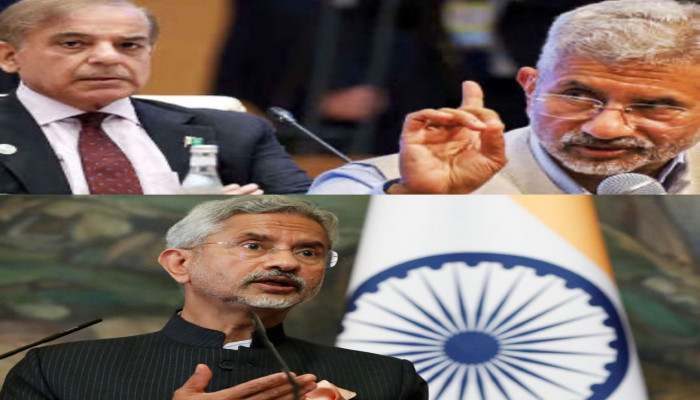
At a high-level all-party meeting held in Parliament on Wednesday, the Indian government strongly responded to concerns over Pakistan’s reported role as a mediator between the United States and Iran in the ongoing West Asia conflict. External Affairs Minister S Jaishankar firmly dismissed the idea, stating, “We are not a dalaal (Broker) nation,” as cited by news agency PTI sources. His remarks came in response to Opposition criticism questioning India’s stance and perceived silence on the issue.
The discussion took place against the backdrop of rising tensions in West Asia, with Pakistan reportedly emerging as a possible venue for talks between the United States and Iran. The situation gained further attention after US President Donald Trump appeared to support Islamabad’s involvement. Addressing this, Jaishankar noted that Pakistan’s role in such matters was not new. He remarked that the country has been “used” by the US since 1981, suggesting a long-standing pattern in geopolitical dynamics.
During the meeting, the government also emphasised India’s diplomatic engagement in the crisis. It highlighted that Prime Minister Narendra Modi had communicated directly with Donald Trump, conveying that the war should come to an end soon. The Prime Minister stressed that the ongoing conflict is causing harm to all parties involved and underlined the need for de-escalation.
Responding to accusations from Opposition leaders that India had remained silent, the government rejected these claims. Officials stated, “We are commenting and responding,” making it clear that India has been actively addressing developments related to the crisis. The government also pointed out that proper diplomatic protocol had been followed in its response to events in Iran.
To support this, it cited the actions taken after the killing of Iran’s Supreme Leader Ayatollah Ali Khamenei in a US-Israel strike. According to the government, when the Iranian embassy was opened, the foreign secretary promptly visited and signed the condolence book. This was presented as evidence to counter allegations of a delayed or weak reaction from India.
Despite these explanations, Opposition leaders expressed dissatisfaction with the government’s responses. They described the replies given during the meeting as “unsatisfactory” and called for a more detailed discussion on the matter in Parliament. Congress leader Tariq Anwar criticised the Centre, stating that Pakistan seemed to be taking on a mediator’s role while “we are still mute spectators.” He urged that the issue be debated in the Lok Sabha under Rule 193 and in the Rajya Sabha under Rule 176 to ensure greater clarity and accountability.
Several senior members of the government attended the meeting. These included Defence Minister Rajnath Singh, Home Minister Amit Shah, Finance Minister Nirmala Sitharaman, and Jaishankar. Other ministers present were Health Minister JP Nadda and Parliamentary Affairs Minister Kiren Rijiju. The meeting was also attended by Foreign Secretary Vikram Misri, who provided a detailed briefing on the situation.
From the Opposition side, several key leaders took part in the discussion. These included Tariq Anwar and Mukul Wasnik from the Congress, Dharmendra Yadav from the Samajwadi Party, and Sasmit Patra from the BJD. The meeting reflected a broad political engagement on the issue, though differences in opinion remained evident.
Overall, the session highlighted the government’s effort to defend its diplomatic stance while addressing domestic political criticism. While the Centre maintained that it has been actively responding to the evolving crisis, the Opposition continued to press for greater transparency and a more assertive position from India in the global context.



 Loading...please wait
Comments