




North Korea rejects calls for ‘denuclearisation’ as Ukraine warns of troop support to Russia
- In Reports
- 02:11 PM, Jul 27, 2026
- Myind Staff
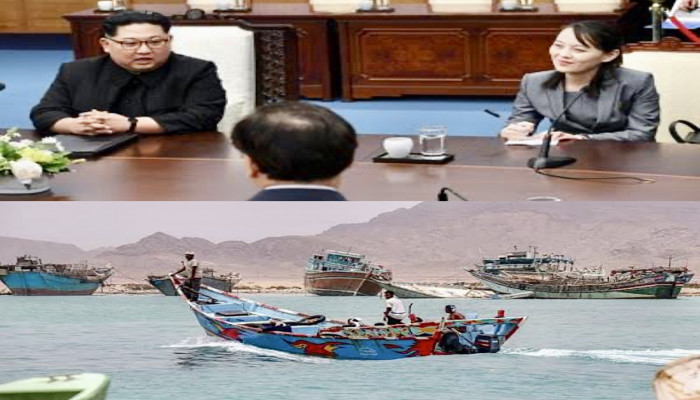
North Korea has once again ruled out any possibility of giving up its nuclear weapons. Kim Yo Jong, the sister of North Korean leader Kim Jong Un, strongly rejected fresh calls for denuclearisation. She described the country's nuclear arsenal as its "ultimate shield" and said it remains essential for protecting national sovereignty. Her remarks came as Ukraine warned that North Korea could send thousands of additional soldiers to support Russia in the ongoing war.
According to North Korea's state-run Korean Central News Agency (KCNA), Kim Yo Jong stated on Monday. She reaffirmed the country's position on nuclear weapons and made it clear that Pyongyang has no plans to change its policy. Referring to North Korea by its official name, the Democratic People's Republic of Korea (DPRK), she said, “Resolute and clear is the DPRK’s stand that nuclear deterrence is the ultimate shield for national sovereignty and the supreme guarantee for defending sovereignty.”
Kim Yo Jong also dismissed international calls for denuclearisation. She criticised a joint statement issued by foreign ministers during the ASEAN Regional Forum. She argued that such demands ignore North Korea's established position on its nuclear programme. According to her, the country's nuclear status cannot be reversed.
She further stated that North Korea considers its nuclear capabilities permanent. Kim said the country's nuclear status is “final and irreversible,” and added that its “nuclear capability will be updated steadily without a momentary stagnation.” Her remarks underline North Korea's continued commitment to expanding and modernising its nuclear programme despite international pressure.
The statement came only days after Ukrainian President Volodymyr Zelenskyy raised concerns over North Korea's growing military support for Russia. Zelenskyy claimed that Moscow is seeking additional military assistance from Pyongyang as the war in Ukraine continues. He said Russia wants 30,000 more North Korean troops along with additional ballistic missile launchers. However, he did not provide any source to support the claim.
Zelenskyy also said, “Since June, preparations have been underway in Russia’s Voronezh region to receive them.” His remarks suggest that Russia may already be making arrangements to deploy more North Korean personnel. Neither Russia nor North Korea has officially responded to these specific claims.
The possibility of increased military cooperation between Moscow and Pyongyang has drawn international attention in recent months. Ukraine, the United States and South Korean officials have repeatedly expressed concern over the growing ties between the two countries. They have warned that North Korea could continue supplying military support to Russia while receiving political and strategic benefits in return.
The latest developments follow a series of high-level meetings between Russian and North Korean officials. Last week, North Korean Foreign Minister Choe Son Hui met Russian President Vladimir Putin. During the meeting, Putin thanked North Korea for supporting Russia's war efforts. The meeting highlighted the strengthening relationship between the two countries as they continue to expand diplomatic and strategic cooperation.
North Korea and Russia have moved closer over the past year through frequent diplomatic exchanges and defence-related discussions. Western governments and regional allies have closely monitored these developments. They remain concerned about the impact of deeper military cooperation on regional and global security.
Kim Yo Jong's latest statement signals that North Korea remains firm on its nuclear policy despite continued international criticism. At the same time, Ukraine's warning about additional North Korean troops has added another layer of concern over the expanding partnership between Moscow and Pyongyang. Both developments are likely to remain under close international scrutiny as the war in Ukraine continues and tensions on the Korean Peninsula persist.



 Loading...please wait
Comments