




‘No one will sell oil, if Iran can’t’: Tehran’s big warning to US, Gulf nations
- In Reports
- 02:10 PM, Jul 23, 2026
- Myind Staff
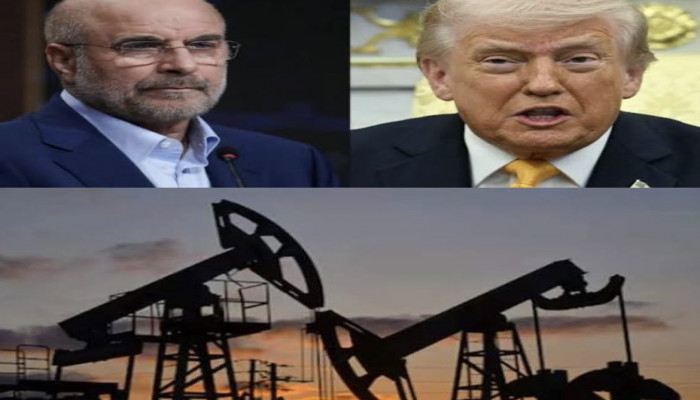
Iran has issued a strong warning to the United States and Gulf nations, saying no country in the region will be able to sell oil if Tehran is blocked from exporting its own crude. The statement came from Iran's Parliament Speaker and chief negotiator Mohammad Bagher Ghalibaf as tensions continue to rise over the Strait of Hormuz. His remarks followed a fresh warning from US President Donald Trump, who threatened direct attacks on Iranian infrastructure if Tehran targets ships passing through the strategic waterway.
In a post on X, Ghalibaf said Iran would not allow the Strait of Hormuz to return to the conditions that existed before the conflict. He also said regional security depends on the absence of American military forces. Stressing that the conflict had reached a critical stage, he wrote, "In a region where we do not sell oil, no one will sell oil. If our security is not ensured, no infrastructure will be safe, and the security of the strait is in the absence of American forces. We have repeatedly said that the situation of the strait will not return to pre-war conditions."
His comments came shortly after President Trump issued a sharp warning on his Truth Social platform. Trump said the United States would respond immediately if Iran attacked any ship passing through the Strait of Hormuz. He wrote, "From this point forward, any time the Islamic Republic of Iran shoots at a ship in the Strait of Hormuz, whether it be by Missile, Rocket, Drone, or any other device or weapon, the United States will bomb and destroy ONE BRIDGE OR POWER PLANT, including those located next to, or in, the Capital City of Tehran."
The latest exchange has added to fears of a wider conflict in the Middle East. The Strait of Hormuz remains one of the world's most important shipping routes for oil exports. Any disruption in the waterway can affect global energy supplies and fuel prices. Both Washington and Tehran have hardened their positions, leaving little public sign of progress through diplomatic efforts.
The US military has now carried out a 12th consecutive night of strikes against Iran. American officials said the operations are aimed at reducing Iran's ability to threaten commercial shipping and civilian vessels in regional waters. The strikes are also part of the US effort to regain control over the Strait of Hormuz and restore normal international shipping through the route.
US Central Command said the attacks are intended to "further degrade Iran's ability to threaten civilian mariners and commercial vessels transiting regional waters." The military campaign has expanded as both sides increasingly target infrastructure linked to civilian life. The conflict has also raised concerns about its economic impact across the world. Fuel prices have continued to rise as uncertainty grows over oil supplies, adding pressure ahead of the US midterm elections later this year.
Iran has responded with its own warnings and military actions. Foreign Minister Seyed Abbas Araghchi said Tehran would follow an "eye for an eye" defence policy if attacks continue. In a post on X, he wrote, "Any aggression against Iran, including our infrastructure, will compel a powerful and decisive response."
Iranian state media reported that US missiles struck areas near the western Iranian cities of Ahvaz, Ramshir and Andimeshk. The reports also said two people were killed in a US missile strike in the border town of Shalamcheh, which lies close to Iraq. The strikes mark another escalation in the ongoing military campaign between the two countries.
At the same time, military officials in Kuwait said the country's air defence systems were responding to hostile drones. In a statement shared on social media, they said their forces were "confronting attacks by hostile drones, following the sinful Iranian aggression." The announcement highlighted growing security concerns across Gulf nations as the conflict spreads beyond Iran and the United States.
Iran has also targeted energy facilities and desalination plants in neighbouring Gulf countries during its response to American attacks. These desalination plants provide drinking water to several countries in the region. International law generally prohibits attacks on such civilian infrastructure unless it is being used for military purposes. The strikes have increased fears that essential services across the Gulf could face further threats if the conflict continues.
The exchange of warnings, military strikes and threats against critical infrastructure has deepened instability across the region. The future of the Strait of Hormuz remains uncertain as both Iran and the United States continue to intensify their military actions. With diplomatic efforts showing little visible progress, the risk of further escalation continues to grow, raising concerns over regional security, global energy supplies and the wider economic impact.



 Loading...please wait
Comments