




No nukes, ceasefire push: US sends 15-point plan to Iran via Pakistan
- In Reports
- 02:09 PM, Mar 25, 2026
- Myind Staff
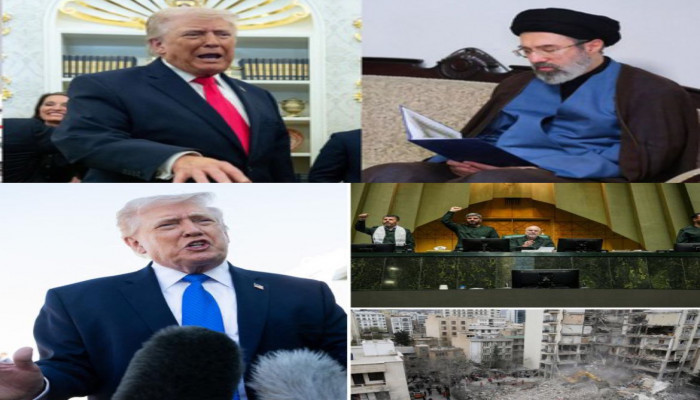
The United States has proposed a detailed 15-point plan to Iran in an effort to bring an end to the ongoing conflict in the Middle East, even as military operations continue across the region. The proposal, shared through Pakistan as an intermediary, reflects Washington’s attempt to find a diplomatic solution to a war that has now entered its fourth week and expanded to involve multiple countries.
US President Donald Trump made it clear that the central condition of the proposal is Iran’s nuclear programme. He stated, “all starts with, they cannot have a nuclear weapon,” underlining that preventing Iran from developing nuclear weapons remains the core objective of the plan. The proposal also addresses Iran’s ballistic missile capabilities and broader security concerns, indicating that the US is seeking a comprehensive agreement rather than a temporary pause in hostilities.
The plan is being positioned as an “offramp” from the war, offering both sides a structured way to de-escalate tensions. According to reports, one of the key elements includes a proposed one-month ceasefire. During this period, negotiations would take place on critical issues such as Iran’s nuclear activities. The discussions are expected to include conditions like handing over enriched uranium and placing restrictions on further enrichment.
Another important aspect of the proposal relates to maritime security, especially in the Strait of Hormuz. Since the conflict began on February 28, Iran has restricted Western shipping in the region, disrupting global oil and gas supplies and contributing to rising prices. The US plan reportedly calls for Iran to ensure safe passage through this crucial route, which is vital for global energy trade.
In return for complying with the terms of the proposal, Iran could receive significant relief from long-standing sanctions. Reports suggest that the lifting of sanctions is a major incentive being offered by Washington to encourage Tehran to accept the deal. Additionally, the plan may include support for Iran’s civilian nuclear energy development, particularly at the Bushehr facility, which dates back to before the 1979 Islamic Revolution.
Despite the diplomatic push, there has been no direct communication between the US and Iran so far. The proposal has been conveyed through intermediaries, with Pakistan playing a key role in facilitating the exchange. This indirect approach highlights the ongoing tensions and lack of trust between the two sides, even as efforts to initiate talks continue.
The conflict itself has seen significant escalation since it began, with widespread military actions and regional instability. What started as targeted operations has expanded into broader hostilities affecting multiple areas in the Middle East. The scale of the conflict has increased pressure on global markets, particularly energy supplies, making a resolution more urgent for both regional and international stakeholders.
At the same time, there are major differences between the positions of the US and Iran, which could complicate negotiations. While Washington is pushing for limits on Iran’s nuclear and missile programmes, Tehran has its own demands that US officials have reportedly described as difficult to accept. This gap between expectations on both sides suggests that reaching a final agreement may not be easy.
The proposal also comes at a time when diplomatic signals are mixed. While the US has indicated a willingness to negotiate and has outlined a detailed plan, there has been no confirmation of direct talks or acceptance from Iran. This uncertainty raises questions about whether the initiative will lead to meaningful progress or remain an initial step in a longer negotiation process.
Overall, the 15-point plan reflects a significant diplomatic effort by the US to end the war through negotiation rather than continued military action. By combining demands on nuclear restrictions with incentives like sanctions relief and economic cooperation, the proposal attempts to balance pressure with opportunity. However, with ongoing hostilities and unresolved disagreements, the path to peace remains uncertain.



 Loading...please wait
Comments