




NIA charges three including Hyderabad doctor in ISIS-linked ricin poisoning plot
- In Reports
- 01:16 PM, May 06, 2026
- Myind Staff
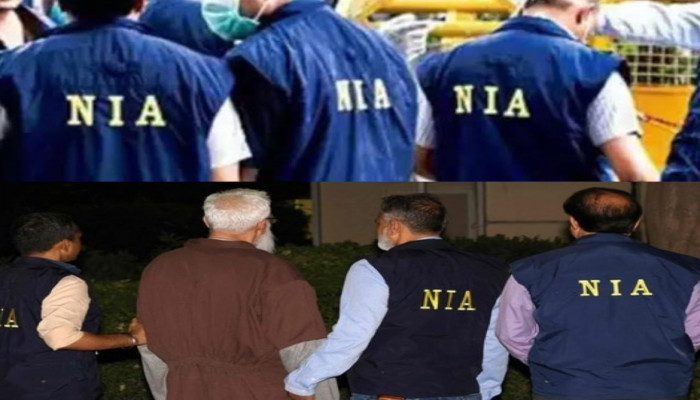
The National Investigation Agency has filed a chargesheet against three individuals, including a doctor from Hyderabad, in connection with an alleged terror conspiracy involving plans for mass poisoning in public places. The agency stated that the accused were part of an ISIS-linked plot and had planned to use ricin, a highly toxic substance, to carry out the attack. According to an ANI report, the chargesheet has been submitted before a special NIA court in Ahmedabad.
As per the agency’s statement issued on Tuesday, the accused include Hyderabad-based doctor Syed Ahmed Mohiuddin, along with Azad and Mohammad Suhel, both from Uttar Pradesh. Investigators have claimed that the three were working together under the guidance of foreign-based handlers linked to the Islamic State. The agency believes the group was operating as part of a larger network with instructions coming from outside India.
The investigation has revealed that the accused were allegedly involved in recruiting vulnerable youth who had been radicalised. The aim, according to the agency, was to support extremist activities and spread fear through the use of banned weapons and bioterror methods. This aspect of the case points to efforts not just to execute an attack, but also to expand a network of individuals aligned with extremist ideology.
The NIA stated that the group had planned to use ricin as part of the attack. Ricin is a toxin derived from castor seeds and is classified under Schedule I of the Chemical Weapons Convention, which includes substances considered highly dangerous. Even a small quantity of ricin can be lethal, making it a serious threat if used in public spaces. Officials described the alleged plot as part of the “nefarious agenda of ISIS”.
The case first came to light in November 2025 when the Gujarat Anti-Terrorism Squad arrested Mohiuddin at a toll plaza. He was reportedly found carrying illegal weapons, along with a bottle containing four litres of castor oil and other suspicious materials in his vehicle. The recovery of these items raised concerns and triggered further investigation into his activities.
Following Mohiuddin’s arrest, the ATS conducted additional inquiries, which led to the arrest of Azad and Suhel on the same day. The quick action by investigators helped uncover what appeared to be a coordinated effort involving multiple individuals and locations. NIA took up the case in January 2026 for a more detailed probe.
During the investigation, agencies tracked the movement of money and weapons linked to the accused. It was found that Azad and Suhel had allegedly collected parcels containing cash and prohibited weapons from a dead-drop location in Hanumangarh, located in Rajasthan. These items were later deposited at a site in Chhatral, Gujarat, from where Mohiuddin was expected to retrieve them. This method of transferring goods suggested a planned and secretive system designed to avoid detection.
After taking over the case, the NIA uncovered further details about the alleged network. The agency claimed that Mohiuddin had been promised the position of ISIS “Amir” of South Asia by his handler. Investigators also alleged that he had converted his residence in Hyderabad into a hidden setup where preparations for producing ricin were being made. This raised serious concerns about the extent of planning and intent behind the alleged conspiracy.
The roles of the co-accused were also outlined in the investigation. According to the agency, both Azad and Suhel were aware of the broader plan and actively participated in it. Their responsibilities included staying in contact with handlers, managing funds linked to terror activities, conducting reconnaissance, and handling illegal arms.
Suhel was described as a key link within the group. Investigators stated that he played an important role in maintaining communication between the handler and other members. He was also allegedly involved in recruitment, coordination, and managing consignments of funds and weapons. In addition, the NIA said he recorded Bay’ah, or oath of allegiance, videos and prepared ISIS flags, further indicating his active involvement in the network.
The case highlights growing concerns over the use of unconventional methods such as bioterrorism in extremist plots. Authorities believe that the accused were attempting to build a network that combined radicalisation, logistics, and chemical threats in a coordinated manner. The use of a substance like ricin points to the seriousness of the alleged plan and its potential impact.
The matter is now before the special court in Ahmedabad, where further legal proceedings will take place. The outcome of the case will depend on how the evidence presented by the agency is examined during the trial. The investigation so far has brought attention to the evolving nature of security threats and the need for close monitoring of such activities.



 Loading...please wait
Comments