




NIA arrests six Ukrainians, one US citizen over militant training and terror plot
- In Reports
- 05:28 PM, Mar 17, 2026
- Myind Staff
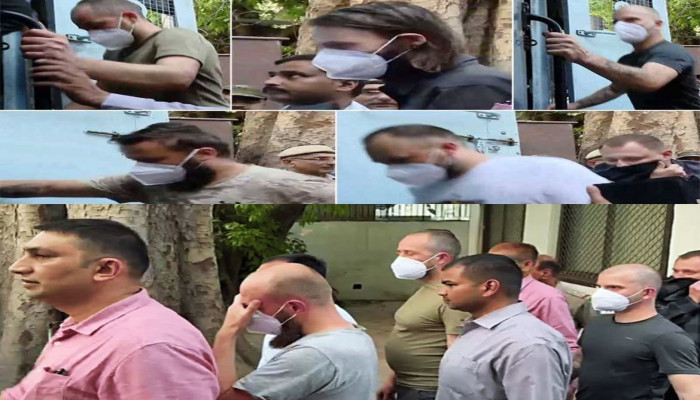
India’s National Investigation Agency (NIA) has arrested seven foreign nationals, including six Ukrainian citizens and one from the United States, over their alleged involvement in a conspiracy linked to militant training and a possible terror plot targeting India. The arrests were made across multiple cities, with three of the Ukrainian nationals detained in Delhi, others picked up from Lucknow, and the American citizen arrested in Kolkata. The case has raised serious concerns about the use of advanced technology and international networks in activities that could threaten India’s security.
According to officials, the accused have been charged under Section 18 of the Unlawful Activities (Prevention) Act (UAPA), which deals with conspiracy related to terrorist acts. Investigators believe that the group was involved in planning activities that could potentially harm India, particularly through the use of drones. Authorities stated that the arrests are part of a larger effort to uncover and dismantle networks that may be operating across borders with the intention of supporting militant activities.
The investigation has revealed that the accused allegedly entered India through Mizoram before crossing illegally into Myanmar, a region currently facing internal conflict. During their time there, they are believed to have established links with ethnic militant groups active in the area. These groups are suspected to have connections with banned insurgent organisations that have previously been involved in anti-India activities. This cross-border interaction has raised alarms among security agencies, as it points to the possibility of a wider network operating beyond India’s borders.
Officials further suspect that the accused played a role in training militants in Myanmar, particularly in the use of drones. This aspect of the case has intensified concerns about the use of modern technology by insurgent groups to enhance their capabilities. The use of drones in conflict situations is a growing challenge for security agencies, and the present instance highlights the risks associated with such developments.
In addition to training activities, the investigation has also uncovered that the accused allegedly transported a consignment of drones from Europe into India. These drones were then reportedly routed onward, possibly intended for use in a larger terror-related operation. Authorities believe that tracing the origin and movement of these drones will be crucial to understanding the full extent of the alleged conspiracy.
A Delhi court granted NIA the custody of seven accused for 11 days for further interrogation until March 27. Officials noted that it is necessary to gather detailed information about the network, including its international connections and operational plans. While no direct statements were issued, investigators indicated that continued questioning could reveal the broader framework of these activities.
The ongoing probe is focusing on several critical aspects, including identifying the routes used for illegal cross-border movement, examining mobile data to uncover communication patterns, and tracing financial transactions to understand funding sources. Authorities are also analysing social media accounts linked to the accused to locate other individuals who may still be at large and connected to the case.
The 1,600 kilometres long India–Myanmar border is strategically important. This region is highly sensitive due to the presence of multiple armed ethnic groups operating near Indian states such as Manipur and Mizoram. Such groups often exploit the porous nature of the border, making it challenging for authorities to monitor and control movement effectively. The alleged illegal entry of the accused individuals through Mizoram is particularly significant, as the state requires special permits for foreign nationals, adding another layer of concern to the investigation.
Officials believe that these kinds of activities have the potential to affect internal security, especially in border regions already facing instability. The NIA continues to expand its investigation to uncover the full scope of the alleged plot and prevent any future threats. As more details emerge, the case is expected to shed light on how international actors may be collaborating with local militant groups, using advanced technology and cross-border routes to carry out their plans.



 Loading...please wait
Comments