




Netanyahu pushes back on Trump’s remarks, says Israel acts in its own national interest
- In Reports
- 02:34 PM, Jun 22, 2026
- Myind Staff
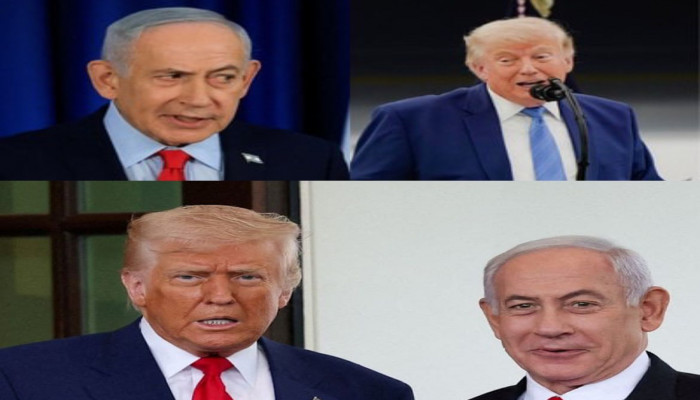
Israeli Prime Minister Benjamin Netanyahu has rejected US President Donald Trump's claim that Israel follows his instructions. Netanyahu said the statement was not accurate and stressed that both countries make decisions based on their own national interests.
The remarks came after Trump, in an interview with Axios on Friday, suggested that he could influence Israel's military actions. He was responding to a question about whether he had the ability to stop Israel from carrying out further strikes on Lebanon.
Trump replied, "Yeah, I will be. I mean, they have a lot of respect for me, and they do as I say."
The US President also spoke about his relationship with Netanyahu. He described their ties as positive but added that he sometimes needed to "keep him a little bit sane." Trump further claimed that Israel would "not exist" without his support.
Netanyahu responded to those comments while speaking at the Jerusalem News Syndicate's (JNS) International Policy Summit 2026 on Sunday. He dismissed suggestions that either leader operates under the direction of the other.
“In the United States, they say that President Trump does everything that I ask him to do. And in Israel, they say that I do everything he wants me to do. Well, neither is true,” Netanyahu said.
The Israeli Prime Minister stressed that both leaders represent sovereign nations and are responsible for protecting their own interests. He said that while Israel and the United States often share similar views, they do not agree on every issue.
“We're leaders of independent and proud countries. We stand for our interests. I stand for the interests of Israel and for its security. And often we see eye to eye. Sometimes we don't. But we respect each other's sovereignty and leadership and commitment to our people,” he said.
The exchange comes at a time when tensions have emerged between Washington and Tel Aviv over the Iran agreement. Israel and the United States launched a joint military campaign against Iran on February 28. However, differences surfaced after Trump criticised Israel for continuing attacks on Lebanon.
According to Trump, those actions risked undermining the agreement with Tehran. The deal had been under discussion for a long period before it was formally signed last Wednesday.
The disagreement over the Iran deal has also drawn attention from senior US officials. Vice President JD Vance issued a strong warning to Israeli leaders who publicly opposed the agreement.
Speaking to reporters during a briefing, Vance criticised members of Netanyahu's government who had attacked the deal and targeted Trump personally.
"What I will say, and this does bother me, is that you've seen people within Bibi's cabinet who have come out and attacked the deal, and in some ways very personally attacked the president of the United States," Vance said.
He also cautioned Israeli officials against damaging ties with Washington, highlighting the importance of the alliance between the two countries.
"If I were in the cabinet of the Israeli government, I might not be attacking the only powerful ally that I have anywhere left in the entire world."
The growing differences between the two allies have sparked debate within Israel. Public opinion appears to be adding pressure on Netanyahu's government.
A recent survey conducted by the Hebrew University of Jerusalem and the Agam Institute found that a large majority of Israelis believe Iran emerged stronger following the West Asia conflict and the subsequent agreement with the United States. The findings have intensified scrutiny of Netanyahu's handling of the situation.
Despite public disagreements and policy differences, Netanyahu's latest remarks suggest that both leaders continue to view their relationship as important. At the same time, he made it clear that Israel's decisions are guided by its own security concerns and national priorities rather than by instructions from Washington.
The comments offer a direct response to Trump's recent assertions and underline the reality that, while the two countries remain close allies, their leaders do not always share the same position on major regional issues.



 Loading...please wait
Comments