




Nepal Home Minister Sudan Gurung steps down amid allegations of financial misconduct
- In Reports
- 08:08 PM, Apr 22, 2026
- Myind Staff
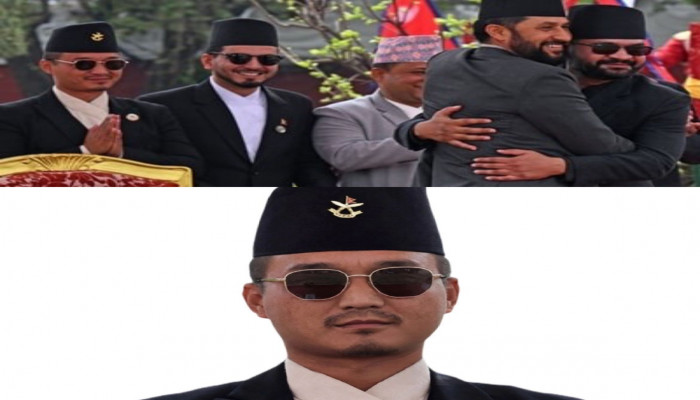
Nepal’s Home Minister, Sudan Gurung, resigned on Wednesday following allegations related to his financial conduct during his time in office. Gurung, who had taken charge of the ministry on March 27, stepped down as criticism grew over his reported business links and share transactions with a controversial businessman. His resignation comes at a time when the government is already facing scrutiny over issues of transparency and accountability.
In his statement, Gurung said that his decision to resign was aimed at ensuring a fair and unbiased investigation into the allegations against him. He also noted that continuing in office could lead to a conflict of interest. By stepping aside, he intended to allow the process to move forward without any influence from his position.
“For me, ethics is greater than position, and there is no greater force than public trust. The ongoing Gen Z movement in the country, which is demanding good governance, transparency and accountability, has also conveyed this message—that public life must be clean and leadership must be accountable.
“If anyone questions the government formed on the blood and sacrifice of my 46 brothers and sisters, the answer to that is ethics,” Gurung wrote on Facebook.
Following his resignation, Prime Minister Balendra Shah has taken charge of the Home Ministry portfolio. According to the prime minister’s secretariat, Gurung submitted his resignation directly to Shah, who has now decided to retain the responsibility himself. This marks another instance of the prime minister handling key ministries personally within a short span of time.
Gurung has been associated with recent political developments in Nepal, particularly the Gen Z protests that took place in September last year. During these protests, he was seen supporting demonstrators by distributing bottled water at key protest locations such as Maitighar Mandala and Naya Baneshwor. These protests played a significant role in shaping the current political climate in the country.
He was also involved in facilitating a deal between Balendra Shah, who was then serving as the mayor of Kathmandu, and Ravi Lamichhane, a television journalist-turned-politician and president of the Rastriya Swatantra Party (RSP). This collaboration contributed to the political alignment that eventually led to the formation of the current government.
The resignation adds to a series of developments within the Shah-led administration. Earlier this month, on April 9, Labour, Employment and Social Security Minister Dip Kumar Sah was dismissed from his post. The action was taken on the recommendation of the ruling RSP, which accused Sah of misusing his position.
RSP president Ravi Lamichhane had called for action against Sah, alleging that he was involved in the reappointment of his wife to the Health Insurance Board after her tenure had already ended. Following his removal, Prime Minister Shah assumed charge of the Labour Ministry as well, just 15 days after taking office.
These back-to-back changes highlight the challenges faced by the new government as it attempts to maintain its commitment to transparency and clean governance. The administration came to power after a period of political unrest and public dissatisfaction with established parties.
The Shah-led RSP government rose to power in the aftermath of the September 2025 Gen Z protests. These protests were driven by widespread anger over corruption and restrictions on social media under the previous coalition led by K P Sharma Oli. The movement created strong public pressure for political change and accountability.
The current developments, including Gurung’s resignation, are being seen in the context of these expectations. The government had gained support largely due to its promise of ethical leadership and reform. Actions taken against ministers facing allegations are likely to be closely watched by the public.
Gurung’s decision to step down reflects an attempt to align with these expectations, as he emphasised the importance of ethics and public trust in his statement. At the same time, the prime minister’s move to take charge of key ministries indicates a centralisation of responsibilities within the leadership.
As the investigation into Gurung’s financial conduct moves forward, the focus will remain on how the government handles such cases. The outcome will play a role in shaping public perception of the administration’s commitment to accountability.
The resignation also underlines the continuing influence of the Gen Z movement in Nepal’s political landscape. The movement has set a clear demand for transparency and responsible governance, which leaders are now expected to uphold.
With the prime minister now overseeing the Home Ministry, the government faces the task of maintaining stability while addressing concerns raised by both the opposition and the public. The coming days will be crucial in determining how effectively it manages these challenges.



 Loading...please wait
Comments