

NCB arrests six persons across four cities in major India-US drug trafficking crackdown
- In Reports
- 05:00 PM, Nov 20, 2026
- Myind Staff
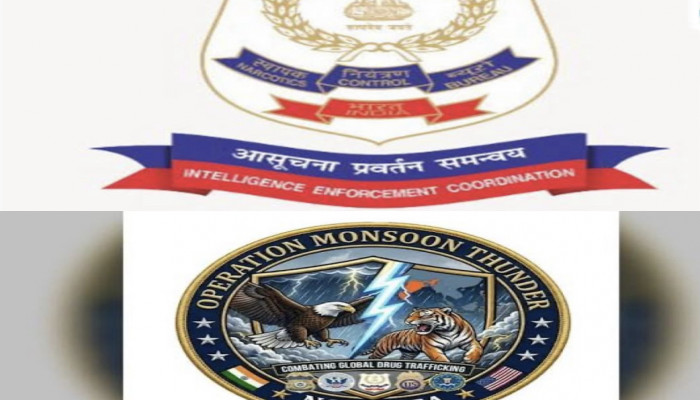
The Narcotics Control Bureau (NCB), in coordination with the US Drug Enforcement Administration (DEA), has busted an Indian module of a transnational drug trafficking network allegedly supplying psychotropic substances and opioid medicines to the United States. Six people were arrested across four cities, officials said on Friday.
Codenamed Operation Monsoon Thunder, the crackdown was conducted between November 4 and 13 in Hyderabad, Delhi, Kolkata and Lucknow. The operation followed intelligence inputs shared by the two agencies. The DEA has also seized two shipments in the US and is investigating the people involved in the network.
According to the NCB investigation, the network allegedly handled nearly 3,000 parcels containing close to half a million tablets between June 2022 and November 2026. “Based on shared intelligence inputs, NCB conducted raids at multiple locations, including Hyderabad, Delhi, Kolkata and Lucknow, and arrested six persons who are part of the transnational drug trafficking network,” an NCB spokesperson said.
The six arrested persons were identified as Arti Soni, Tej Deepak Jaiswal, Deepak Kumar Tiwari, Jaswant Yash, Talabathula Manoj from Hyderabad and Abdul Mutallik from West Bengal, according to people familiar with the matter.
During the investigation, the NCB also identified several active consignments containing more than 1,500 tablets that were scheduled for delivery to the US.
The agency shared a database containing over 59,000 records with the DEA. It includes transaction details, information about previous consignments, delivery addresses, US Postal Service tracking numbers and drug types. “The information is expected to help US authorities identify customers and drop-shippers operating in the country,” the agency said.
Investigators found that the network maintained records of consignments and customers through shared digital platforms, including Google Sheets. Indian operators received orders through Telegram, Skype and WhatsApp before dispatching the parcels through postal and other delivery services.
The investigation also revealed several payment channels used to transfer money to Indian operators. These included Venmo, a US-based digital payment application, bank accounts registered in other people's names, UPI, cryptocurrency and hawala networks. “The financial trail is being examined to identify the beneficiaries and establish the proceeds generated through drug trafficking,” the NCB spokesperson said.
The DEA is examining the leads shared by the NCB and analysing the customer database to identify and disrupt the illegal pharmaceutical network in the US.
The NCB said the supply and distribution network operated within the US. Digital records and medicine brands recovered from the arrested accused indicate that the drugs may have been sourced from multiple countries. The agency is now tracing their origin, procurement channels and cross-border movement to establish the complete supply chain and identify other people involved.
The NCB and DEA have carried out joint operations and intelligence-sharing exercises over the past year. On November 1 and 2, the NCB chief and the head of the US Office of National Drug Control Policy met in New Delhi to strengthen bilateral cooperation, intelligence sharing and coordinated action against drug trafficking.



 Loading...please wait
Comments