




Nature's Floating Healer: Medicinal Properties of Agaya Thamarai (Jal Kumbhi)
- In Health & Wellbeing
- 10:57 AM, Sep 02, 2026
- Swami Pranaka
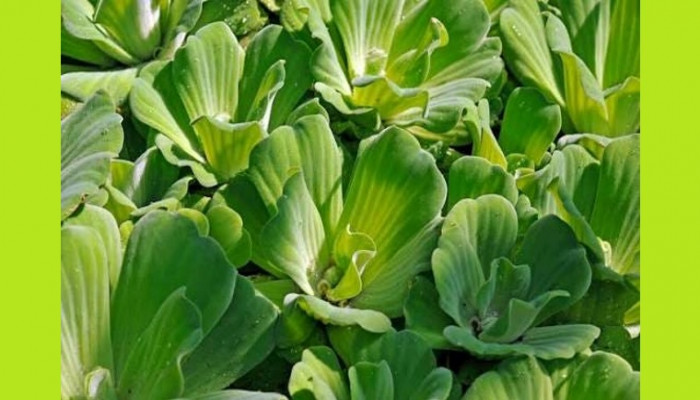
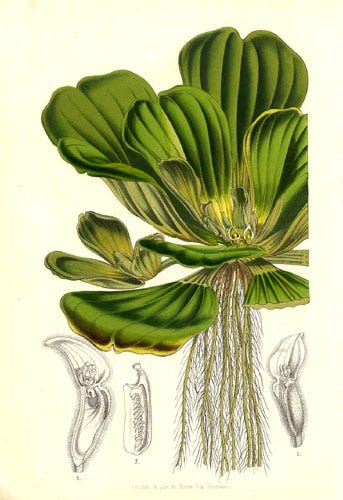
If you have ever peered into a quiet pond in India, you might have noticed clusters of bright green, floating plants. Known in Hindi as Jal kumbhi and scientifically as Pistia stratiotes, this plant is recognised in traditional Siddha medicine as Agaya Thamarai or Kulir Thamarai or Antharath Thamarai. It grows in clusters as small floating plants with root tufts and leaves that do not have distinct stalks. It is found growing in ponds and pools all over Tamil Nadu. While it may look like simple pond weed, its leaves possess significant medicinal value.
Traditional Siddha Benefits
Agaya Thamarai is highly valued for its cooling properties. The leaves, devoid of true stalks, are the primary medicinal part.
Skin Health: Grinding the leaves and applying the paste externally helps the rapid healing of skin conditions like eczema and persistent sores.
Piles Relief: Applying the leaf paste to the anal region resolves external piles and anal stinging. Additionally, placing the leaves in water, boiling them, and exposing the anal area to the steam for 10 minutes provides relief from piles.
Internal Healing: Extract 25 ml of the leaf juice, insert a heated iron rod or stainless-steel spoon into the juice (Suddhi - purification process). This is called as surasam. Administering it, mixed with a little honey, in the morning and evening for 5 days helps clear chest infections caused by microbes. It also cures urinary issues, piles, dysentery, and cough.
The Pothigai Hills Speciality: Kulir Thamarai Thailam
An ethnomedicinal practice originating from the Tirunelveli region, particularly near the Pothigai Hills, is the preparation of Kulir Thamarai Thailam. Recorded in the Siddha Pharmacopoeia of India, this fragrant, medicated oil is prepared using the leaf juice of this plant in a sesame oil base, alongside five additional ingredients. When used as an abhyanga thailam (massage oil), it is considered one of the best remedies for heat-related issues, piles, high blood pressure, and mental disorders.
Qualities: It is light (Laghu) and dry in nature (Ruksha), and promotes mobility (Sara).
Taste and Potency: It has a bitter (tiktha) and pungent (katu) taste, combined with a cold potency (virya).
Dosha Effect: Remarkably, it balances all three doshas (Vata, Pitta, and Kapha).
Precautions: Oxalates & Water Purity
While the plant boasts numerous benefits, it requires careful handling and responsible foraging:
Toxin Absorber: Pistia stratiotes is an excellent agent for phytoremediation. Its feathery root system acts as a natural biological filter, actively absorbing heavy metals and pollutants from the water. Because it acts as a "toxin sponge," it is critical to collect this plant only from good, clean water sources. Using plants gathered from contaminated urban lakes for medicine can result in Gara Visha. On the other hand, the pond with this plant is considered pure in nature.
Calcium Oxalate Crystals: The plant contains microscopic, needle-like structures called calcium oxalate crystals. Consuming raw leaves causes these crystals to embed in the mucous membranes, leading to severe burning in the mouth and throat, swelling, and gastrointestinal distress. Traditional methods—like boiling, steaming, or combining with neutralising agents like honey—break down these crystals and make the herb safe for therapeutic use.
Traditional Native Herb vs. Invasive Weed
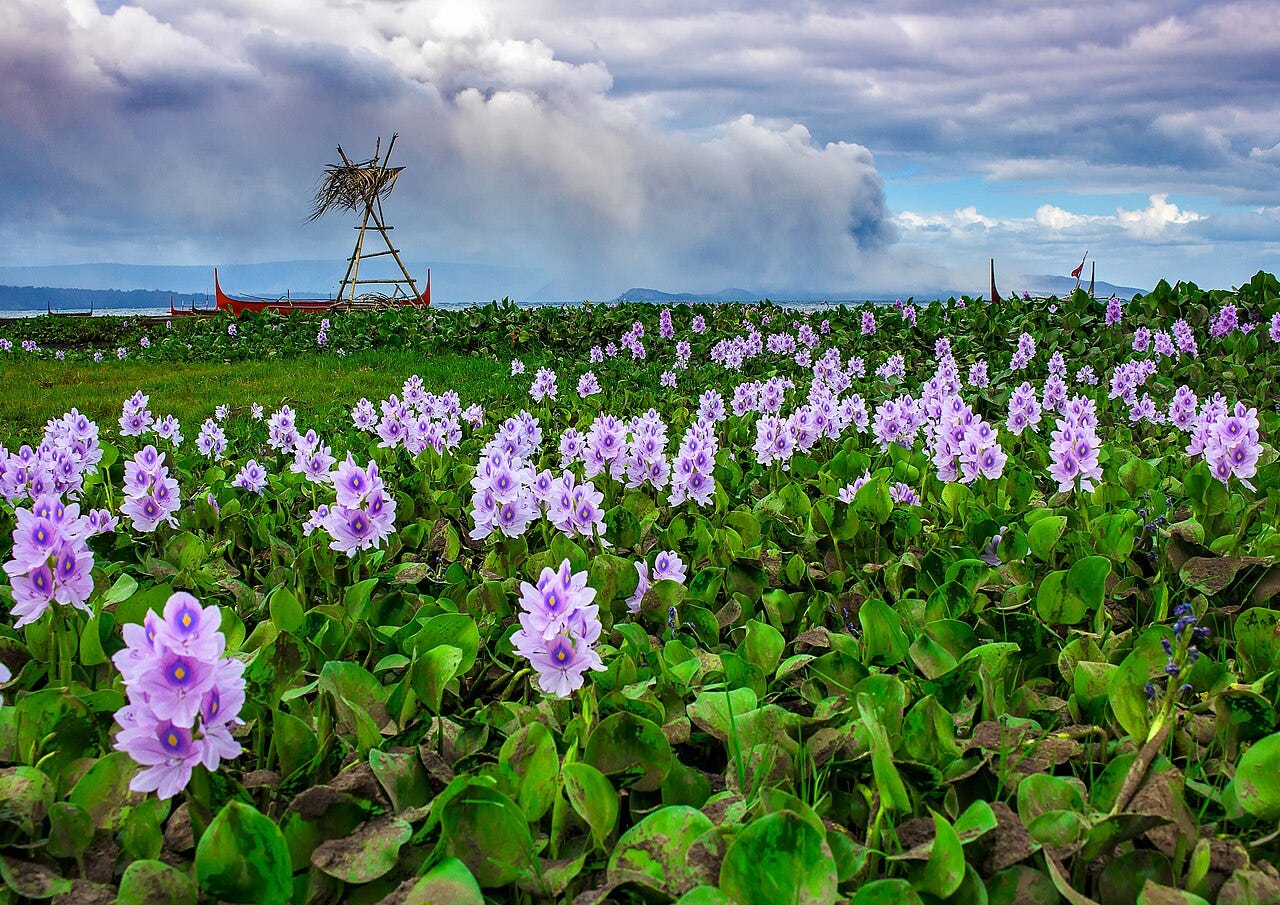
A common point of confusion arises because this native medicinal plant is frequently mixed up with a highly aggressive invasive weed: Water Hyacinth (Eichhornia crassipes), which is sometimes misleadingly referred to as "Badi Jal kumbhi" (the bigger variety). In Tamil, it is called Agaya Thamarai. Here is the difference between the traditional native plant and the invasive weed:
Pistia stratiotes (Native/Medicinal - Water Lettuce): Features spongy, velvety, light green leaves arranged in a flat rosette pattern (resembling open cabbage). Its flowers are very small, whitish, and inconspicuous.
Eichhornia crassipes (Invasive - Water Hyacinth): Features glossy, thick, darker green leaves with distinctly swollen, bulbous stalks that keep the plant afloat. It produces large, striking purple flowers. It is a notorious invasive weed originally from South America, known to aggressively choke major rivers, block waterways, and severely disrupt local aquatic ecosystems.



 Loading...please wait
Comments