




MSC Group’s TiL to invest $1.397 billion in Adani’s Vizhinjam Port
- In Reports
- 01:15 PM, Jun 30, 2026
- Myind Staff
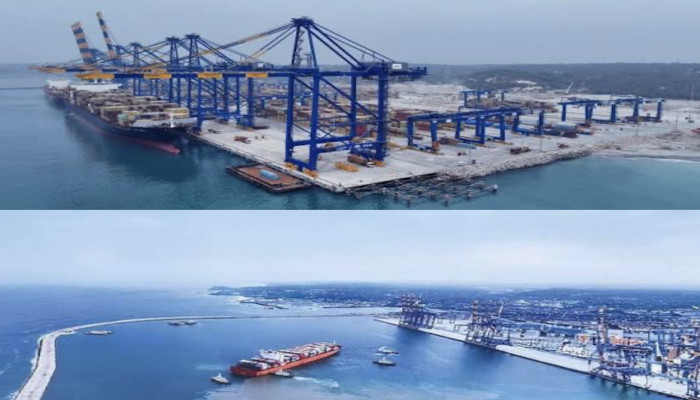
Adani Ports and Special Economic Zone Limited (APSEZ) and Mediterranean Shipping Company (MSC) Group’s terminal arm, Terminal Investment Limited (TiL), have signed a definitive agreement under which TiL will acquire a 49 per cent stake in Adani Vizhinjam Port Private Limited (AVPPL). The deal values the port at USD 2.85 billion. Under the agreement, TiL will invest USD 1.397 billion, which represents its 49 per cent share of the total valuation.
The transaction is subject to the usual approvals, including regulatory clearances. Once completed, the partnership will become the largest foreign private investment ever made in India’s port infrastructure. APSEZ said the agreement strengthens Vizhinjam Port’s position as a major transhipment hub in the Indian Ocean region.
Vizhinjam Port currently has a handling capacity of 1.6 million Twenty-foot Equivalent Units (TEUs). The port is already undergoing a major expansion that will increase its capacity by 3.5 times to 5.7 million TEUs. The expansion is expected to be completed by December 2028.
The port started operations in December 2024 and became India’s first deep-draft mega transhipment port. It has shown rapid growth since its launch. Within just 18 months of operations, the port crossed the milestone of handling more than 2 million TEUs. This made it the first Indian port to achieve this milestone in such a short period.
APSEZ Whole-time Director and CEO Ashwani Gupta highlighted the port’s performance and future potential. He said, "Vizhinjam port has emerged as a premier transhipment hub and ramped up at an unprecedented pace, becoming the first Indian port to earn the unique distinction of crossing 2 million TEUs within 18 months of operations."
The partnership with TiL is expected to strengthen Vizhinjam Port’s growth further. TiL is one of the world’s largest container terminal operators. It is part of the MSC Group, which is the world’s largest transport and logistics conglomerate. TiL manages and invests in more than 100 container terminals across five continents. It also handles an annual throughput of over 70 million TEUs.
According to APSEZ, the collaboration with MSC Group will bring several benefits to the company. The agreement will improve cargo volume visibility and support faster growth at Vizhinjam Port. It will also help the port attract additional cargo volumes. A larger share of cargo from Bangladesh is also expected to move through Vizhinjam. At present, much of this cargo depends on competing transhipment hubs in Southeast Asia.
The expansion project will significantly increase the port’s handling capacity and prepare it to manage rising cargo traffic over the coming years. With a planned capacity of 5.7 million TEUs, Vizhinjam aims to strengthen its position among the leading transhipment ports in the region.
Vizhinjam Port also enjoys a strategic geographical advantage. It is located only 10 nautical miles from the busy East-West international shipping route. This route connects Europe, the Persian Gulf and the Far East. The location allows large container vessels to access the port with minimal deviation from their regular shipping path. This makes the port an attractive choice for global shipping companies.
The agreement also reflects the growing confidence of international investors in India’s port and logistics sector. The investment by TiL is expected to support the long-term development of Vizhinjam Port and strengthen its role in global maritime trade. As the port continues to expand, it is expected to handle larger cargo volumes and improve India’s position in the international transhipment market.
With the investment from MSC Group’s TiL, APSEZ has secured a strategic global partner for Vizhinjam Port. The partnership combines APSEZ’s infrastructure and operational capabilities with TiL’s global experience in container terminal operations. Together, they aim to accelerate the port’s growth and establish Vizhinjam as one of the leading transhipment gateways in the Indian Ocean region.



 Loading...please wait
Comments