




Mossad director’s call to Syrian Foreign Minister discussed Turkish military deployments
- In Reports
- 02:40 PM, Aug 20, 2026
- Myind Staff
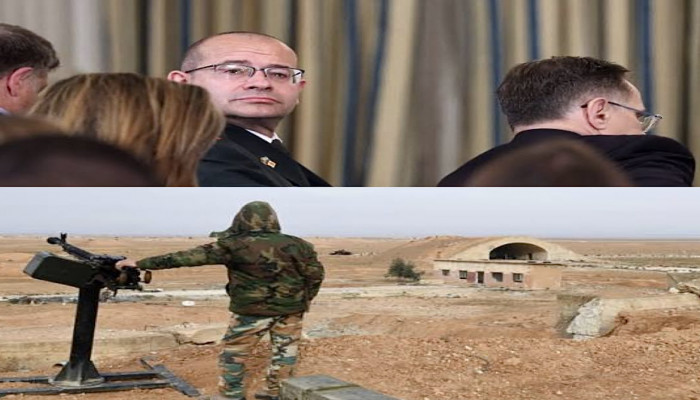
Mossad chief Roman Gofman held a phone call with Syrian Foreign Minister Asaad al-Shaibani on August 14. The two discussed Turkey’s growing military presence in Syria, three people familiar with the matter told Reuters. The call came just four days before Israel carried out airstrikes on a Syrian airbase.
The conversation marked one of the highest-level contacts between Israel and the administration in Damascus led by Syrian President Ahmed al-Sharaa. The Israeli prime minister’s office, which handles queries related to the Mossad, did not immediately respond to a request for comment. A spokesperson for Shaibani also did not respond.
Israel attacked the Abu al-Duhur airbase on Tuesday. Israeli Prime Minister Benjamin Netanyahu later said Damascus was close to allowing Turkish troops to deploy in Syria. He also said Syria had ignored repeated Israeli warnings that such a deployment would threaten Israel’s security.
According to the sources, Turkish military support for Syria was the main issue during Gofman’s call with Shaibani. One source said the discussion centred on "Israeli inquiries about what (Turkey) was doing in terms of increasing their military presence, as well as the sale of weapons, provision of drones and other issues". A second source, a senior official, said Gofman asked Shaibani about Turkey’s supply of weapons to the Syrian army.
A third source familiar with the matter confirmed that the call took place. The source also confirmed that the two officials discussed Turkey’s military presence in Syria. Turkey’s defence ministry declined to comment. Its foreign ministry did not immediately respond to a request for comment.
Turkey has developed close ties with the Sharaa administration since Bashar al-Assad was removed from power in 2024. Ankara had supported rebel groups during Syria’s civil war. Its growing influence in Syria has raised concerns in Israel about Turkey’s expanding role near Israel’s northern border.
The issue has become more sensitive as Syria seeks to rebuild its military and strengthen its international relations. Sharaa has developed close ties with Washington. In July, he said Syria was seeking a security agreement with Israel. He also said Damascus was trying to involve several countries to push Israel towards adopting a more balanced policy towards Syria.
Netanyahu has repeatedly warned against a larger Turkish military role in Syria. In a video posted on X on Wednesday, he said Israel "will not tolerate a Turkish military establishment in Syria that threatens Israel".
He added, "We made it clear to Turkey — Don't. Apparently they didn't hear the message, so we made sure they understood it better," indirectly referring to the Israeli airstrikes.
Turkey rejected Israel’s claims about its military activities in Syria. The Turkish presidency described the allegations as "untenable allegations". It accused Israel of trying to justify what it called "unlawful airstrikes targeting Syria’s sovereignty and territorial integrity".
The presidency said, "(Turkey) would continue to cooperate with the Syrian Government on a legitimate basis for the establishment of peace, stability, and prosperity". It did not mention whether Turkey planned to deploy troops or establish a military presence in Syria.
The United States has also raised concerns about the escalation between Israel, Turkey and Syria. Tom Barrack, the U.S. ambassador to Turkey and special envoy for Syria and Iraq, called the Israeli strikes "an unnecessary escalation that does not advance regional stability".
Barrack said Washington was working to create a deconfliction mechanism between Israel, Turkey and Syria. He also said the United States already facilitates an information-sharing and dialogue mechanism between the three sides.



 Loading...please wait
Comments