




Morocco king appoints Fatima Ezzahra as country’s first woman prime minister
- In Reports
- 03:20 PM, Sep 30, 2026
- Myind Staff
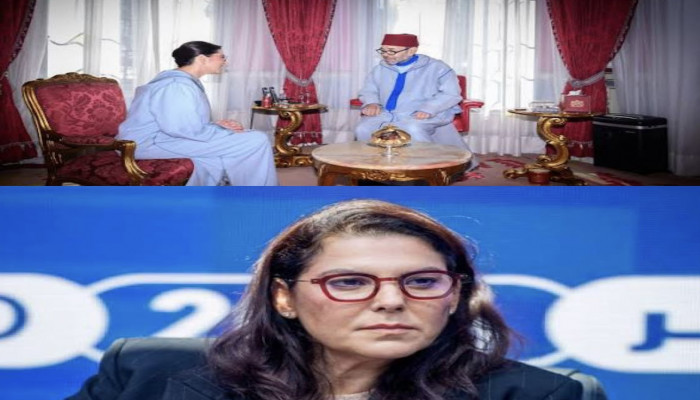
Morocco is set to appoint its first woman prime minister after King Mohammed VI named Marrakesh mayor Fatima Ezzahra El Mansouri to form the new government on September 29. The royal Cabinet announced the decision after her centre-right Authenticity and Modernity Party (PAM) emerged as the largest party in last week’s parliamentary elections.
The PAM won 97 of the 395 seats in the House of Representatives, securing 31 more seats than its closest rival. The election, however, recorded the lowest voter turnout in two decades. The party will now need support from other political groups to form a coalition government, as it failed to secure an outright majority.
The royal Cabinet said the king had tasked the 50-year-old El Mansouri, who has also served as housing minister, with “forming the new government”. Speaking after her appointment, El Mansouri described the move as “truly historic”.
“For the first time in our country’s history, a woman is taking on the responsibility of leading the government,” she said. “This is a source of pride not only for me but for all Moroccan women.”
El Mansouri said the new government would begin work immediately. “We will first initiate internal consultations within our party before holding discussions with all political groups.” The monarch continues to retain broad powers over major policy decisions.
El Mansouri joined the PAM in 2008, the year Fouad Ali El Himma founded the party as a counterweight to Morocco’s Islamist movement. She became the first woman to serve as mayor of Marrakesh in 2009. She lost the position six years later and returned as mayor in 2021.
Her government will face major challenges, including unemployment, rising living costs and persistent social inequality. Young people remain particularly affected by these issues. The election came weeks after tens of thousands of mainly young Moroccan migrants rushed into Spain’s North African enclave of Ceuta, highlighting growing socio-economic frustrations among the youth.
The vote also followed a Gen-Z protest movement that took to the streets a year earlier. Demonstrators demanded improvements in healthcare and education. El Mansouri acknowledged the high expectations facing her government.
“We are fully aware that this period will be significant and marked by high expectations from Moroccans, particularly young people,” El Mansouri said. “That is why we will have a programme offering concrete and realistic solutions to citizens’ concerns.”
The PAM has promised average annual economic growth of five per cent, inflation of two per cent and at least one million new jobs during its five-year term.
The National Rally of Independents (RNI), which leads the outgoing coalition, finished second with 66 seats. The right-wing Istiqlal party came third with 65 seats. The Islamist opposition Justice and Development Party (PJD) won 54 seats, a major increase from its 13 seats in 2021.
PJD chief and former prime minister Abdelilah Benkirane called the result a “victory” but rejected joining a coalition led by the PAM. He accused the party of being “tainted by fraud” but did not provide details to support the claim.



 Loading...please wait
Comments