




Mizoram University’s Natural History Museum becomes India’s 21st official biodiversity repository
- In Reports
- 06:44 PM, Jul 08, 2026
- Myind Staff
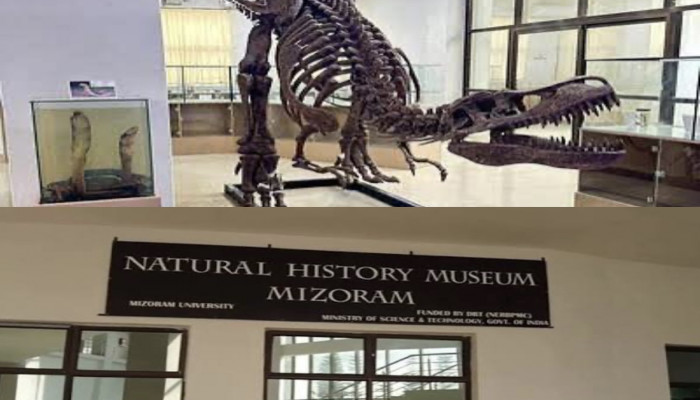
The Natural History Museum (NHM) at Mizoram University in Aizawl has received the status of a designated repository under the Biological Diversity Act. The Union Environment Ministry announced the development in a statement on Tuesday. With this recognition, the museum has become India’s 21st designated repository. The National Biodiversity Authority (NBA) recommended the museum for this status, and the ministry officially approved the designation on June 19.
Designated repositories play an important role in India’s biodiversity conservation system. These institutions keep biological materials in safe custody. They preserve voucher specimens collected during scientific studies and research projects. They also work as legal registries for biological resources used in scientific research and commercial activities. This system helps protect valuable biological resources and ensures proper documentation of collections.
The Natural History Museum will preserve voucher specimens of selected plant and animal groups. Its plant collection will include pteridophytes and macrofungi. The museum will also maintain specimens of reptiles, amphibians, fish, moths, beetles and butterflies. These collections will support scientific studies and improve the documentation of biodiversity found in the region.
Officials said the museum will also keep type specimens of newly discovered species from the region. These specimens serve as the official reference for identifying newly identified species. An official said, “It will also serve as the designated depository for type specimens of newly discovered species from the region. These authenticated collections will strengthen species identification, traceability and scientific research while safeguarding India’s biological resources for long-term conservation. They will also support future ecological restoration in the event of habitat loss, natural disasters or species decline.”
The Natural History Museum started its work in 2022 under Mizoram University. It is located in the Indo-Burma biodiversity hotspot, one of the world’s richest regions for biological diversity. The museum’s location gives researchers access to a wide range of plant and animal species found in the region. This makes it an important centre for biodiversity research and conservation.
The Union Environment Ministry highlighted the biological richness of Mizoram and the wider northeastern region. According to the ministry, the region is home to more than 7,500 species of flowering plants and over 2,000 faunal species. Many of these species are unique to the area. The newly designated repository will help document and conserve these endemic species. It will also strengthen scientific knowledge about the region’s biodiversity and support future conservation efforts.
The museum had already built a significant collection before receiving the official designation. Officials said it has preserved more than 500 specimens, including herbarium sheets and other biological collections. These specimens already serve as valuable resources for researchers and scientists. The new status will further strengthen the museum’s role in preserving biological material and maintaining accurate scientific records.
The designation also reflects the growing importance of institutions that protect India’s natural heritage. By preserving authenticated biological collections and maintaining proper records, the museum will contribute to scientific research, conservation planning and biodiversity management. Its work will support long-term efforts to protect biological resources and improve the understanding of the unique ecosystems found in Mizoram and the northeastern region.



 Loading...please wait
Comments