



Millions returning from Pakistan and Iran push Afghanistan to the brink, UN warns
- In Reports
- 06:08 PM, Feb 14, 2026
- Myind Staff
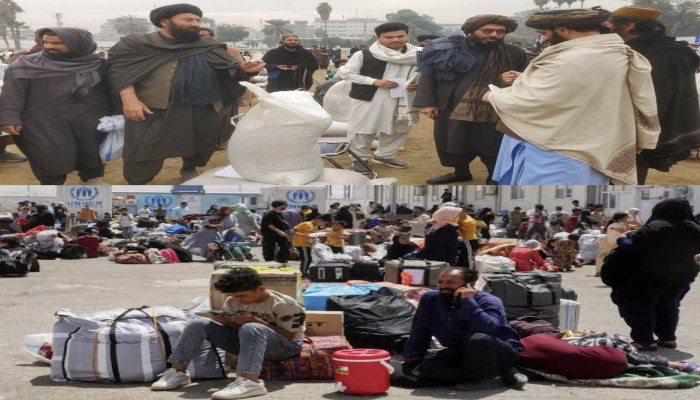
The return of millions of Afghans from neighbouring Pakistan and Iran is pushing Afghanistan close to collapse, the United Nations refugee agency UNHCR warned on Friday. The agency said the speed and scale of the returns are putting extreme pressure on a country that was already struggling with a weak economy, drought, and the effects of major natural disasters.
UNHCR’s Afghanistan representative Arafat Jamal said that around 5.4 million people have returned to Afghanistan since October 2023, with most coming back from Pakistan and Iran. He described the situation as unprecedented and said it is creating a major humanitarian challenge for the country.
“This is massive, and the speed and scale of these returns have pushed Afghanistan nearly to the brink,” Jamal said while speaking to a U.N. briefing in Geneva through a video link from Kabul.
Pakistan began a large crackdown in October 2023 to remove migrants without legal documents. The government urged people living in the country without papers to leave voluntarily to avoid arrest and forced deportation. Many were also expelled by force. Iran began a similar crackdown on migrants around the same time, leading to a sharp rise in Afghans returning from both countries.
As a result, millions have crossed back into Afghanistan. Jamal said many of those returning include people who were born in Pakistan decades ago. These individuals had lived there for most of their lives, built families, and established businesses. Their return has been sudden and difficult, as many are now entering a country where they have little support and few resources.
Jamal said that 2.9 million people returned to Afghanistan last year alone, calling it the highest number of returns seen in any single country in recent times. “It was the largest number of returns that we have witnessed to any single country,” he said.
Afghanistan’s Taliban rulers have criticised the mass expulsions carried out by Pakistan and Iran. However, the country is struggling to manage the huge number of returnees. Jamal said the influx is equal to about 12% of Afghanistan’s population, which has created heavy pressure on housing, food supplies, jobs, and basic services.
The humanitarian situation in Afghanistan was already serious before the returns began. The country has been facing poverty, limited economic opportunities, and a poor human rights record, especially related to women and girls. On top of this, Afghanistan has also suffered from a severe drought and two major earthquakes, which further weakened its ability to support returning families.
Jamal said that in the first month and a half of this year alone, around 150,000 people have already returned. This shows that the return flow continues at a fast pace and may increase further.
Afghan authorities are trying to provide support to those coming back. Jamal said returning people receive care packages that include food aid, cash assistance, a telephone SIM card, and transport to parts of the country where they may have family connections. However, UNHCR warned that such measures are not enough to handle the growing crisis.
The returns are stretching Afghanistan’s limited resources. Jamal said the country is struggling to provide enough assistance, especially with rising humanitarian needs.
In November, the U.N. Development Program reported that in areas of Afghanistan with high return rates, nine out of 10 families were using negative coping mechanisms to survive. These include skipping meals, falling into debt, or selling personal belongings. Such measures show the level of financial stress faced by families trying to rebuild their lives.
Jamal said UNHCR is worried about whether these returns can continue in a sustainable way. He noted that while only about 5% of those returning say they plan to leave Afghanistan again, more than 10% say they know someone who has already left. This indicates that many families are finding it difficult to settle back into the country.
“These decisions… to undertake dangerous journeys, are not driven by a lack of a desire to remain in the country,” Jamal said. He explained that many people want to stay but feel they cannot rebuild a dignified and stable life in Afghanistan because of the harsh conditions.
UNHCR continues to monitor the situation closely and has raised concerns about the long-term impact of the returns. With millions arriving in a short period, Afghanistan’s fragile economy and humanitarian systems are facing severe strain, increasing the risk of further instability.



 Loading...please wait
Comments