




Mexico reviews oil shipments to Cuba amid U.S. pressure and rising geopolitical tensions
- In Reports
- 04:20 PM, Jan 24, 2026
- Myind Staff
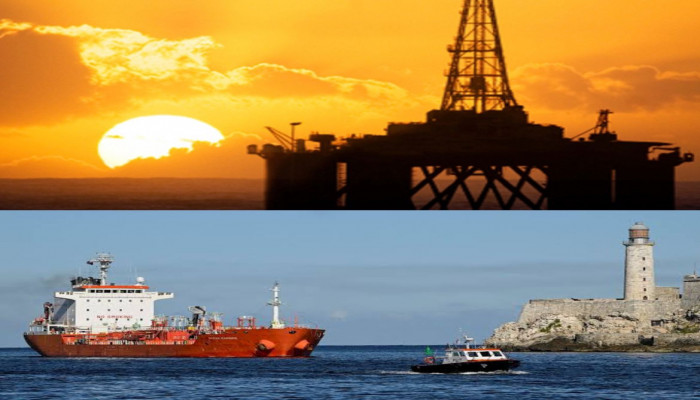
Mexico is reconsidering whether it should continue sending oil to Cuba as concerns grow within President Claudia Sheinbaum’s government that the policy could trigger retaliation from the United States, according to three sources familiar with the matter. The review reflects increasing anxiety in Mexico’s leadership over how Washington might respond to the country’s support for Cuba, which has become a crucial lifeline for the Caribbean nation struggling with severe energy shortages and frequent blackouts.
In recent months, Venezuela’s oil shipments to Cuba have stopped after the United States blocked oil tankers in December and captured Venezuelan President Nicolas Maduro earlier this month. With Venezuelan supplies halted, Mexico has emerged as the largest remaining oil supplier to Cuba, making its role even more significant.
Mexico’s position has also placed it under intense scrutiny from Washington. U.S. President Donald Trump has openly criticised Cuba and signalled that the flow of resources to the island must end. In a January 11 post on Truth Social, Trump wrote: “THERE WILL BE NO MORE OIL OR MONEY GOING TO CUBA - ZERO!” He also stated that Cuba is “ready to fall.”
Publicly, President Sheinbaum has maintained that Mexico will continue its oil shipments to Cuba. She has argued that these shipments are based on long-term contracts and are part of international aid. However, senior government officials have revealed that the policy is now under internal review. According to the sources, all options remain open, including a complete halt, a partial reduction, or full continuation of the oil deliveries.
Mexico’s broader relationship with the United States adds complexity to the issue. The country is currently seeking a review of the USMCA trade agreement while also trying to convince Washington that it is taking strong action against drug cartels. At the same time, Mexico has firmly opposed any U.S. military intervention on its territory.
The Mexican presidency reiterated its stance in a statement to Reuters, saying that Mexico “has always been in solidarity with the people of Cuba.” It also emphasised that sending oil to Cuba and paying for Cuban doctors are “sovereign decisions.” The Cuban government did not respond to requests for comment.
A White House official echoed Trump’s position, stating, “As the President stated, Cuba is now failing on its own volition ... there will be no more oil or money going to Cuba from Venezuela, and he strongly suggests Cuba makes a deal before it is too late.”
Tensions between the United States and Mexico have also intensified in recent weeks. Trump has accused Mexico of being controlled by drug cartels and suggested that ground attacks against them could be imminent. Sheinbaum has strongly rejected the idea of unilateral U.S. military action, calling it a serious violation of Mexico’s sovereignty. One source said, “There is a growing fear that the United States could take unilateral action on our territory.”
During a recent phone call between Trump and Sheinbaum, the U.S. president questioned Mexico’s oil shipments to Cuba and the presence of thousands of Cuban doctors in Mexico. Sheinbaum reportedly responded that the shipments are “humanitarian aid” and that the agreement involving Cuban doctors “is in full compliance” with Mexican law. The sources added that Trump did not directly demand an end to the oil deliveries.
Mexican officials are also worried about increased U.S. military surveillance in the region. Since December, U.S. Navy drones have reportedly been flying over the Gulf of Mexico. According to local media using flight-tracking data, at least three Northrop Grumman MQ-4C Triton drones have carried out multiple flights over the Bay of Campeche, following routes similar to those used by tankers transporting Mexican fuel to Cuba. These same aircraft were seen near Venezuela shortly before the U.S. attack on that country.
At the same time, Sheinbaum’s government has intensified its campaign against drug cartels. Mexico has transferred nearly 100 high-profile drug traffickers to the United States in three major operations. Although U.S. officials have praised these actions, Sheinbaum has repeatedly warned that unilateral U.S. military intervention in Mexico would cross a “red line.”
Sheinbaum defended Mexico’s support for Cuba, saying, “Very little of the crude oil produced in Mexico is sent to Cuba, but it is a form of solidarity in a situation of hardship and difficulty.” She added, “That doesn't have to disappear.”
Trump’s tough stance on Cuba dates back to his first term, when he reversed much of the rapprochement initiated by former President Barack Obama. His administration has intensified pressure on Cuba since returning to office, with Secretary of State Marco Rubio playing a key role in shaping U.S. policy toward Venezuela and Cuba.
Cuba remains heavily dependent on imported fuel for electricity generation, gasoline, and aviation needs. Due to U.S. sanctions and an ongoing economic crisis, the country has struggled for years to purchase sufficient fuel, forcing it to rely on a small group of allies.
Within Sheinbaum’s government, some officials fear that cutting off Cuba’s oil supply could lead to a humanitarian crisis and trigger large-scale migration toward Mexico. For this reason, certain members of the administration support maintaining at least part of the fuel shipments.
With Venezuela no longer supplying oil, it is unlikely that other producers will step in to replace the lost supply, given the strong U.S. military presence and enforcement actions in the region. The United States has seized several tankers linked to the sanctioned oil trade involving countries such as Iran and Russia.
According to data reported by Mexico’s state oil company Pemex to the U.S. Securities and Exchange Commission, Mexico shipped about 17,200 barrels per day of crude oil and 2,000 barrels per day of refined petroleum products to Cuba between January and September last year. The shipments were worth around $400 million.
As Mexico weighs its options, the decision on whether to continue, reduce, or stop oil shipments to Cuba remains uncertain, highlighting the growing geopolitical pressure and the delicate balance between foreign policy, sovereignty, and humanitarian concerns.



 Loading...please wait
Comments