




Maharashtra removes 92 lakh Ladki Bahin beneficiaries after verification
- In Reports
- 08:07 PM, Jul 13, 2026
- Myind Staff
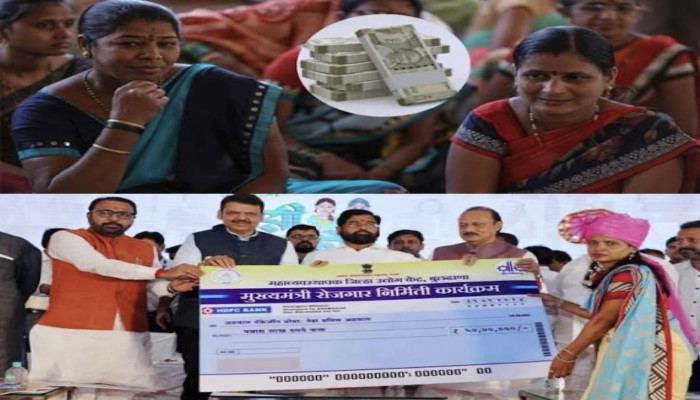
A state-wide verification drive has led the Maharashtra government to remove 92 lakh beneficiaries from the Mukhyamantri Majhi Ladki Bahin Yojana. Government records reviewed by The Indian Express show that the number of deletions is much higher than the nearly 80 lakh beneficiaries the state government had publicly disclosed earlier. The verification process removed almost four out of every 10 women who were previously enrolled under the scheme.
The largest number of removals took place after beneficiaries failed to complete the mandatory electronic Know Your Customer (eKYC) process. Government records show that nearly 62 lakh women, making up around 67 per cent of all deletions, lost their eligibility after they did not complete eKYC authentication. The verification also identified several other categories of ineligible beneficiaries.
Officials found that around 16 lakh beneficiaries belonged to families with an annual income above the prescribed limit of ₹2.5 lakh. Another 4.42 lakh beneficiaries declared during verification that they or one of their family members worked as government employees. The scheme does not allow government employees to receive its benefits.
The verification also found that around 3.6 lakh beneficiaries were already receiving financial assistance under the Sanjay Gandhi Niradhar Yojana. Nearly 2.5 lakh cases involved more than two members of the same family receiving benefits under the scheme, making them ineligible. Officials also removed around 1.8 lakh beneficiaries who were above the upper age limit of 65 years. District-level verification flagged another 1.7 lakh beneficiaries as ineligible.
The verification exercise also uncovered cases where ineligible people had received benefits under the scheme. Records show that nearly 29,000 men received payments despite the scheme being meant only for eligible women. Authorities also identified nearly 8,000 government employees who had received benefits even though they did not qualify.
Officials associated with the exercise estimated that beneficiaries removed after verification had collectively received about ₹14,000 crore before payments were stopped. They said those whose payments were discontinued had, on average, received assistance for around 10 months, although there was no uniform cut-off as beneficiaries were identified at different stages of the verification process.
The findings come at a time when the Comptroller and Auditor General (CAG) has raised concerns over the scheme's implementation. In its State Finances Audit Report 2024-25, which the state legislature tabled on Friday, the CAG highlighted excess expenditure, parking of funds in deposit accounts and weak financial controls in the execution of the scheme.
The Maharashtra government approved the Mukhyamantri Majhi Ladki Bahin Yojana on June 28, 2024. Under the scheme, eligible women between the ages of 21 and 65 years receive ₹1,500 every month through Direct Benefit Transfer (DBT). The scheme covers women from families with an annual income below ₹2.5 lakh. Government employees, income taxpayers and beneficiaries of certain other welfare schemes remain ineligible.
The scheme had reached its highest coverage with around 2.43 crore beneficiaries before the verification process started in September 2025. After the removal of 92 lakh beneficiaries, the scheme now covers more than 1.5 crore women across the state. The government has allocated and approved supplementary provisions worth more than ₹60,000 crore for the scheme.
The verification exercise has significantly reduced the number of beneficiaries under one of Maharashtra's largest welfare programmes. It has also highlighted gaps in the enrolment process and raised fresh questions about eligibility checks. The latest government records show that the majority of removals resulted from incomplete eKYC verification, while the remaining deletions involved income limits, government employment, duplicate beneficiaries within families, age criteria and participation in other welfare schemes.



 Loading...please wait
Comments