



Macron steps in to mediate as Iran signals willingness for talks with US
- In Reports
- 06:35 PM, Apr 14, 2026
- Myind Staff
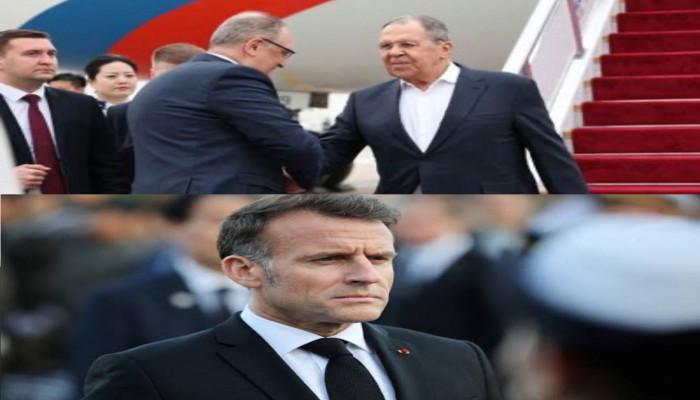
French President Emmanuel Macron has stepped in to mediate rising tensions in West Asia, as Iran’s newly elected President Masoud Pezeshkian indicated a willingness to engage in talks with the United States. This development comes at a time when the situation in the Strait of Hormuz remains tense due to ongoing naval confrontations and heightened military presence in the region.
According to the report, Macron has been actively engaging in diplomatic efforts to ease the situation and create a pathway for dialogue between Iran and the United States. His intervention reflects growing international concern over the risk of escalation in one of the world’s most critical maritime routes. The Strait of Hormuz is a vital channel for global oil shipments, and any disruption there has wide-reaching economic and geopolitical consequences.
Iran’s President Masoud Pezeshkian has signalled that his government is open to discussions with Washington, suggesting a possible shift in tone compared to previous hardline positions. This willingness comes despite ongoing tensions and distrust between the two nations. The report highlights that Pezeshkian’s stance could open the door for renewed diplomatic engagement if supported by mutual confidence-building measures.
The naval standoff in the Strait of Hormuz has added urgency to these diplomatic efforts. Increased military activity, including the presence of naval forces from multiple countries, has raised fears of accidental clashes or deliberate escalation. The situation has already affected shipping patterns, with some vessels exercising caution while passing through the area.
Macron’s role as a mediator is seen as crucial in this context. France has maintained communication channels with both Iran and the United States, positioning itself as a neutral actor capable of facilitating dialogue. The French President’s outreach aims to reduce tensions and prevent the situation from spiralling into a broader conflict.
The report also notes that recent developments in the region, including earlier military actions and retaliatory measures, have contributed to the current climate of uncertainty. These incidents have further strained relations and increased the risk of miscalculation among involved parties. Against this backdrop, diplomatic initiatives like Macron’s gain even more importance.
While Pezeshkian’s readiness for talks is a positive signal, significant challenges remain. Deep-rooted mistrust, disagreements over key issues such as sanctions and regional influence, and domestic political pressures in both countries could complicate any potential negotiations. However, the willingness to engage is being viewed as a step in the right direction.
The international community is closely watching these developments. Many countries have a strong interest in ensuring stability in the Strait of Hormuz, given its importance to global energy supply. Any disruption could lead to fluctuations in oil prices and impact economies worldwide.
Macron’s mediation efforts also reflect a broader push by European leaders to play a more active role in resolving conflicts in West Asia. By encouraging dialogue and reducing tensions, they aim to prevent further instability in a region already affected by multiple ongoing crises.
The situation remains fluid, and it is unclear how quickly or effectively talks between Iran and the United States could materialise. However, the combination of diplomatic outreach and signals of openness from Tehran offers a glimmer of hope amid an otherwise tense environment.



 Loading...please wait
Comments