




Macron, Modi discuss West Asia tensions ahead of conference on Hormuz blockade
- In Reports
- 12:45 PM, Apr 17, 2026
- Myind Staff
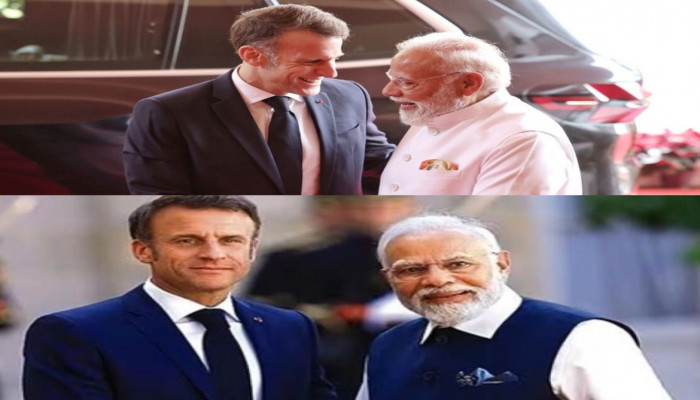
French President Emmanuel Macron held a phone conversation with Prime Minister Narendra Modi on Thursday to discuss the rising tensions in West Asia. The call came just ahead of a major conference being organised by France and the United Kingdom to address the situation in the Strait of Hormuz. The leaders focused on the urgent need to ensure safe and uninterrupted maritime movement through the crucial route.
Sharing details of the conversation on social media, Modi said that he had spoken with Macron and both leaders recognised the importance of restoring stability in the region. He stated, “We had agreed on the need to urgently restore safety and freedom of navigation in the Strait of Hormuz”. He further added, “We will continue our close cooperation to advance peace and stability in the region and beyond”. However, no detailed official statement was released by the Indian government regarding the discussion.
The phone call between Macron and Modi took place just two days after US President Donald Trump also reached out to the Indian Prime Minister to discuss the ongoing West Asia crisis. The situation has drawn global attention due to its impact on international trade and energy supplies, as the Strait of Hormuz remains one of the world’s most critical shipping lanes.
Earlier in the week, Macron had also spoken with Iranian President Massoud Pezeshkian and Trump. During these conversations, he stressed the importance of restarting negotiations to resolve misunderstandings and prevent further escalation of tensions. His diplomatic outreach reflects growing international concern over the worsening situation in the region.
On Monday, Macron and UK Prime Minister Keir Starmer jointly announced that their countries would host a virtual conference in Paris on April 17. This meeting aims to bring together countries willing to work towards restoring freedom of navigation in the Strait of Hormuz. The conference is expected to focus on building a coordinated and independent international response.
The crisis escalated after Iran shut down the Strait of Hormuz following military strikes by Israel and the United States on February 28. These strikes triggered a broader conflict in West Asia, leading to disruptions in global shipping. In response, Trump ordered a blockade of Iranian ports after initial direct talks between Iranian and American officials in Islamabad failed to produce any agreement.
Macron has clearly stated France’s position on the issue. He said that the Strait of Hormuz should be “reopened unconditionally, without restrictions or tolls, as soon as possible”. He also explained that the upcoming Paris conference would include “non-belligerent countries ready to contribute, alongside [Britain and France], to a multilateral and purely defensive mission aimed at restoring freedom of navigation in the strait when security conditions allow”. His remarks underline the intention to keep the initiative focused on stability rather than conflict.
At the same time, several members of NATO, including Britain and France, have clarified that they do not want to be directly involved in the ongoing conflict in West Asia. These countries have expressed reluctance to support Trump’s blockade measures, indicating a preference for diplomatic and multilateral solutions.
A spokesperson from the British government stated that the Paris conference is expected to “advance work towards a coordinated, independent, multinational plan to safeguard international shipping once the conflict ends”. This suggests that efforts are being made to prepare for long-term stability in the region rather than immediate military intervention.
India has also been actively engaged in discussions related to the crisis. Foreign Secretary Vikram Misri represented the country at a virtual meeting held on April 2. The meeting was chaired by British Foreign Minister Yvette Cooper and focused on ways to reopen the Strait of Hormuz and ensure secure maritime operations.
The developments highlight the growing international effort to manage the crisis through dialogue and cooperation. With global trade routes at risk, countries are working together to find solutions that can restore normalcy and prevent further disruption. The upcoming conference in Paris is expected to play a key role in shaping the next steps toward ensuring safe navigation in one of the world’s most vital waterways.



 Loading...please wait
Comments