




Less than month into power, Balen Shah government faces widespread student protests
- In Reports
- 01:59 PM, Apr 22, 2026
- Myind Staff
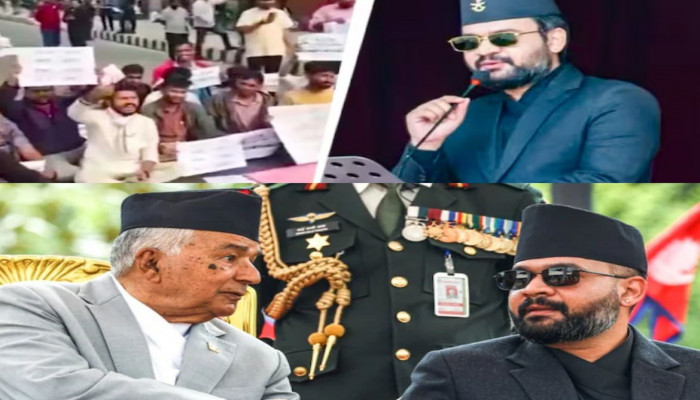
Public anger is rising in Nepal against the government led by Kathmandu Mayor-turned-national leader Balen Shah, just weeks after it came to power with a strong two-thirds majority. What started as dissatisfaction over a few policy decisions has now turned into widespread protests across the country. Demonstrations have moved beyond the streets and reached Singha Durbar, the administrative centre of Nepal. Students, political groups, and ordinary citizens have all joined the protests in Kathmandu and several other cities.
One of the main reasons behind the unrest is the government’s decision to impose a mandatory customs duty on goods worth more than Rs 100 brought in from India. This move has hit people living in border areas the hardest. Many residents in these regions depend on cross-border purchases for daily essentials. They argue that the policy ignores their reality and puts an extra financial burden on them. Protesters believe the rule is unnecessary and poorly planned, especially for communities that rely heavily on such goods for their everyday needs.
At the same time, the government’s approach towards student unions has added fuel to the protests. The alleged decision to reject or sideline student unions linked to political groups has caused strong backlash among the youth. Student leaders have openly criticised the government, accusing it of following a “repressive approach” instead of choosing dialogue. This has led to growing resentment among students, who feel their voices are being ignored.
The student-led protests have become one of the most visible parts of the ongoing unrest. Thousands of students have taken part in demonstrations across the country. Many of them have been seen protesting in their school uniforms, holding placards and shouting slogans against government decisions. These visuals show that the protests are no longer limited to political groups. Instead, they have spread to a wider section of society, especially young people who are directly affected by these policies.
Another major issue driving the protests is the demand for the resignation of Home Minister Sudan Gurung. He is facing serious allegations related to financial irregularities. Protesters and opposition groups claim that Gurung has disproportionate assets and has been involved in questionable business dealings. Reports in Nepal’s media have pointed to documents that suggest his investments and shareholdings are linked to controversial entities. There are also allegations of connections with individuals accused of financial crimes. These claims have intensified public anger and strengthened calls for his resignation on moral grounds.
The issue of the Home Minister has become a key focus of the protests. Political parties and civil society groups have continued to organise demonstrations, keeping the pressure on the government. For many protesters, this is not just about one individual but about accountability and transparency in governance. They believe that such allegations must be addressed seriously to maintain public trust.
As the protests continue to grow in size and intensity, the Balen Shah government is facing pressure from multiple directions. The concerns are not limited to a single issue. They include economic policies like the customs duty, dissatisfaction among students, and serious allegations against a senior minister. Together, these issues have created a challenging situation for the new government.
What began as criticism of specific decisions has now turned into a broader political challenge. The opposition has found an opportunity to raise its voice, while public frustration continues to build. The situation highlights the difficulties faced by a new government trying to balance policy decisions with public expectations.
With protests spreading and more groups joining in, the coming days will be crucial for the government. It will need to respond carefully and address the concerns being raised. The ability to handle these issues will likely shape the future of the administration and its relationship with the public.



 Loading...please wait
Comments