



Lebanon president says country will no longer be pawn for external conflicts
- In Reports
- 08:18 PM, Apr 18, 2026
- Myind Staff
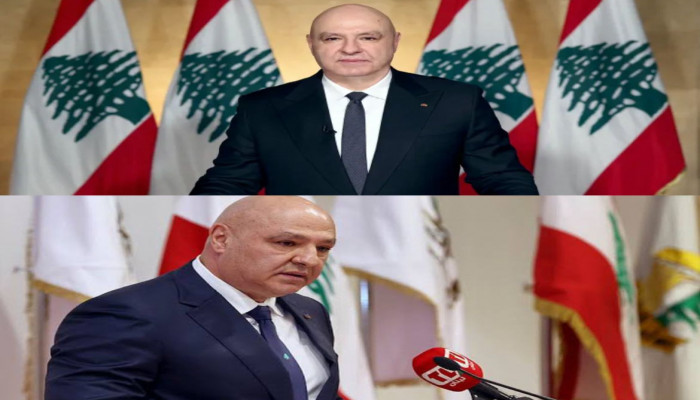
Lebanese President Joseph Aoun has declared that Lebanon will no longer serve as a battleground for external conflicts, following a recently announced ceasefire with Israel. In a televised address to the nation on Friday, Aoun emphasised a strong commitment to preserving the country’s sovereignty and independence. His remarks came just a day after a 10-day ceasefire agreement brought temporary relief to a nation that has faced weeks of violence and instability.
During his speech, Aoun made it clear that Lebanon is determined to move away from being influenced by external powers. He stated firmly that the country is no longer “a pawn in anyone’s game, nor an arena for anyone’s wars, and we never will be again”. This statement reflects a broader intent to reposition Lebanon as a self-governing state that prioritises its own national interests over regional power struggles.
The recent conflict began on March 2, when Hezbollah launched attacks towards Israel, prompting a strong Israeli military response. The escalation led to significant human and material losses in Lebanon. More than 2,200 people have been killed, and over a million residents have been displaced due to the ongoing strikes. The ceasefire has provided a temporary halt to the violence, offering a moment of relief to civilians who have been severely affected by the clashes.
Aoun explained that Lebanon is now entering a new phase, shifting focus from immediate ceasefire arrangements to long-term stability. He described this as a “transition from working on a ceasefire to working on permanent agreements that preserve the rights of our people, the unity of our land, and the sovereignty of our nation.” His statement indicates that the government is aiming for sustainable peace rather than short-term solutions.
The president also acknowledged the role of international and regional players in helping bring about the ceasefire. He expressed gratitude to those involved, specifically mentioning United States President Donald Trump and the Arab nations. He highlighted “all our Arab brothers, foremost among them the Kingdom of Saudi Arabia” for their support in ending hostilities. This recognition points to the diplomatic efforts that contributed to easing tensions between Lebanon and Israel.
Aoun reassured citizens that any future agreements would not compromise Lebanon’s territorial integrity or national rights. He stressed that negotiations should not be seen as a sign of weakness or surrender. Instead, they are part of a strategic effort to secure peace while maintaining the country’s dignity and independence. His message aimed to build public confidence at a time when many citizens remain uncertain about the outcomes of diplomatic engagements.
The ceasefire agreement followed a significant development, as Lebanon and Israel held their first direct talks in decades in Washington. While this marked a diplomatic breakthrough, it also sparked criticism among sections of the Lebanese population. Some citizens expressed concern over engaging directly with Israel, reflecting deep-rooted political and social sensitivities within the country.
Outlining the government’s priorities, Aoun clearly stated the objectives moving forward. “Our objective is clear and declared: to stop Israeli aggression against our land and our people, to obtain Israeli withdrawal, to extend state authority over all its land by its own forces, to ensure the return of prisoners, and to enable our families to return to their homes and villages, in safety, freedom and dignity,” he said. This statement highlights the key issues Lebanon aims to address through negotiations and future agreements.
Despite the ceasefire, tensions remain on the ground. Israeli forces continue to occupy parts of southern Lebanon, raising concerns about the durability of the truce. Israeli Prime Minister Benjamin Netanyahu has stated that troops will not withdraw during the ceasefire period. This stance adds uncertainty to the situation and suggests that challenges remain in achieving a lasting resolution.
Overall, Aoun’s address reflects a shift in Lebanon’s political stance. His emphasis on sovereignty, unity, and long-term peace signals an effort to redefine the country’s role in regional conflicts. While the ceasefire has brought temporary calm, the path ahead will depend on successful negotiations and the willingness of all parties to move towards a stable and lasting agreement.



 Loading...please wait
Comments