




Leaked ISPR directives reveal Pakistan military’s anti-India campaign after Indus Water Treaty abeyance
- In Reports
- 06:54 PM, Jul 03, 2026
- Myind Staff
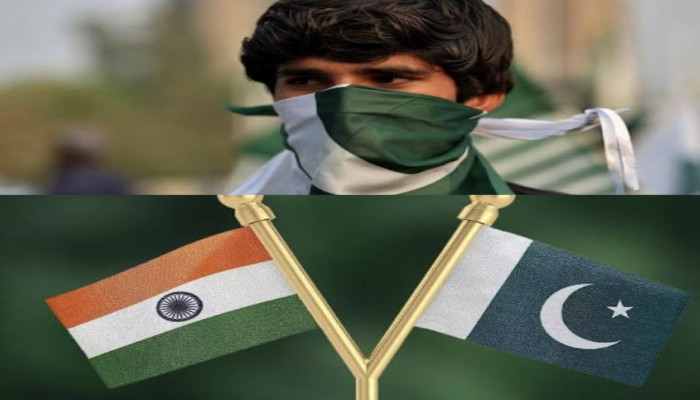
Leaked directives have reportedly revealed that Pakistan's military planned a coordinated media campaign to counter India's narrative on several issues after tensions linked to the Indus water dispute. The documents, reportedly issued by the Directorate General of Inter-Services Public Relations (DG ISPR), outline a strategy that focuses on Jammu and Kashmir, Sikh issues, minority concerns and criticism of Prime Minister Narendra Modi's government.
Sources said Pakistan prepared the plan after the Indus Water Conference. The military reportedly wanted to launch a global media campaign to challenge India's messaging on international platforms. The leaked material claims that the authorities asked Pakistan's media network to increase coverage of developments in Jammu and Kashmir. The directives reportedly instructed television channels, talk shows, vloggers and digital platforms to keep these issues at the centre of their content.
The leaked documents also claim that DG ISPR Director General Lt. Gen. Ahmed Sharif held a meeting with well-known television anchors and leading vloggers in Rawalpindi. During the briefing, he reportedly asked participants to focus on important geopolitical issues and include strong anti-India content in their programmes. The plan reportedly aimed to build a counter-narrative through both traditional media and digital platforms. The authorities expected media personalities to present these issues regularly to influence public opinion beyond Pakistan.
The reported strategy also places major focus on Sikh-related issues. According to the leaked directives, Pakistani media received instructions to highlight the concerns of Sikhs living in Punjab as well as Sikh communities abroad. The documents also claim that media figures were asked to support the overseas Khalistan referendum. The reported objective was to increase tensions in Punjab and add pressure on the Indian government through international attention.
The leaked material further claims that Pakistani media outlets received instructions to highlight poverty, public safety concerns and other domestic issues in India. The campaign reportedly aimed to present these developments as signs of instability within the country. The strategy also included extensive coverage of criticism directed at Prime Minister Narendra Modi and his government.
According to the documents, Pakistani media organisations were also instructed to amplify anti-Modi and pro-Pakistan remarks made by Indian opposition leaders, including members of the Congress party. The campaign reportedly intended to use these statements to strengthen criticism of Prime Minister Modi's domestic and foreign policies. The strategy sought to project these views before both domestic and international audiences through television, online platforms and social media.
Sources said the leaked directives indicate a broader communication strategy led by Pakistan's military establishment. The reported plan relies on television anchors, vloggers and digital influencers to spread a coordinated narrative against India across multiple platforms. The strategy focuses on issues such as Jammu and Kashmir, Sikh grievances, minority concerns and India's internal challenges. The reported goal is to shape international opinion and present Pakistan's version of these issues to audiences across the world.
The leaked documents have underscored the growing role of digital platforms in geopolitical messaging. If authentic, the directives suggest that Pakistan planned to combine conventional broadcasting with online content to increase the reach of its narrative. The strategy reportedly aimed to influence discussions on global platforms while keeping pressure on India through sustained media coverage of sensitive political and social issues.



 Loading...please wait
Comments