



Ladakh Governor V K Saxena approves creation of five new districts
- In Reports
- 11:23 AM, Apr 28, 2026
- Myind Staff
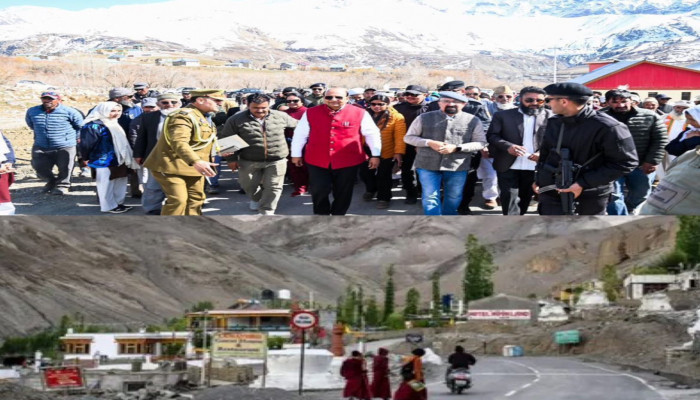
Ladakh is set to see a major administrative change with the creation of five new districts, a move aimed at improving governance and bringing administration closer to the people. Lieutenant Governor Vinai Kumar Saxena approved the decision on Monday, calling it an important step towards decentralising power and strengthening grassroots administration in the Union Territory.
The announcement comes just days before Union Home Minister Amit Shah’s scheduled visit to Leh on April 30. During his visit, Shah is expected to chair a security review meeting and evaluate ongoing development projects in the region. The timing of the decision highlights the Centre’s focus on Ladakh’s administrative and developmental needs.
With the addition of Nubra, Sham, Changthang, Zanskar and Drass as new districts, Ladakh will now have a total of seven districts, up from the existing two. This expansion is expected to make governance more accessible, especially for people living in remote and far-flung areas where administrative reach has traditionally been limited.
Saxena described the move as a significant milestone for the region. "A historic day for Ladakh. I have approved the notification for the creation of five new districts in Ladakh, fulfilling the aspirations and long-pending demand of the people of Ladakh," he said in a post on X. His statement reflects the long-standing demand from local communities for better administrative representation and easier access to government services.
The Lieutenant Governor aligned the decision with the broader vision of Prime Minister Narendra Modi’s Ladakh development. "This transformative decision, already approved by the Ministry of Home Affairs in August 2024, under the leadership of Amit Shah, will strengthen grassroots governance, decentralise administration and ensure faster delivery of public services to the people of Ladakh, especially those in remote and far-flung areas," he said. The emphasis remains on improving efficiency and ensuring that governance reaches even the most isolated regions.
Apart from administrative benefits, the creation of new districts is also expected to open up opportunities for economic growth. Saxena noted that the move would create new avenues for employment and entrepreneurship. With smaller administrative units, there is likely to be more focused development planning, which could help boost local economies and infrastructure.
Key regional groups welcomed this announcement. The Apex Body Leh and the Kargil Democratic Alliance, both of which have been actively advocating for statehood and the implementation of the Sixth Schedule of the Constitution in Ladakh, welcomed Shah’s upcoming visit. They described it as a crucial opportunity for building trust and engaging in meaningful dialogue with the Centre.
In their response, the representatives raised several concerns and demands that they hope will be addressed during Shah’s visit. "We urge the Union minister to announce an unconditional withdrawal of cases against 83 people who were arrested after the September 24 incidents, most of whom were innocent and included members of religious organisations who had gone to stop the violence. Compensation should also be provided to the families of those who died and to the 80 others who were crippled in indiscriminate police firing carried out without proper orders," the representatives said. Their statement highlights unresolved tensions and the need for reconciliation in the region.
The groups also called for direct engagement with the Union Home Minister. They urged Shah to hold a meeting with representatives of both the Apex Body Leh and the Kargil Democratic Alliance to take final decisions on their pending demands. This includes long-standing issues related to political representation and constitutional safeguards for the region.
Overall, the creation of five new districts marks a significant administrative shift for Ladakh. It aims to improve governance, ensure better service delivery, and support local development. At the same time, it comes at a moment when political dialogue and trust-building remain equally important. With Shah’s visit approaching, the developments signal both progress in governance and an opportunity to address broader regional concerns.



 Loading...please wait
Comments