




Khamenei refuses to move Iran’s enriched uranium stockpile amid fragile peace negotiations
- In Reports
- 07:18 PM, May 21, 2026
- Myind Staff
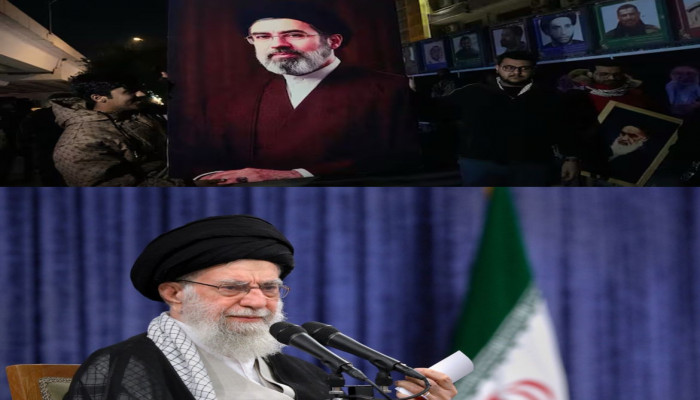
Iran’s Supreme Leader has ordered that the country’s stockpile of near-weapons-grade enriched uranium must stay inside Iran, according to two senior Iranian sources quoted by Reuters. The decision is expected to make ongoing peace negotiations with the United States and Israel even more difficult at a time when tensions in the region remain high.
Reuters reported that Ayatollah Mojtaba Khamenei’s directive has strengthened Tehran’s position against one of Washington’s main demands in the talks aimed at ending the US-Israeli conflict with Iran. Israeli officials told Reuters that US President Donald Trump had assured Israel that any future peace agreement would include the removal of Iran’s highly enriched uranium stockpile from Iranian territory.
For years, Israel, the United States and several Western countries have accused Iran of trying to develop nuclear weapons capability. Their concerns increased after Iran enriched uranium to 60%, which is much higher than the level needed for civilian use and closer to weapons-grade enrichment. Iran, however, has repeatedly denied seeking nuclear weapons.
Israeli Prime Minister Benjamin Netanyahu has continued to insist that the war cannot end unless Iran removes its enriched uranium stockpile, stops supporting proxy militias and dismantles its ballistic missile programme.
“The Supreme Leader’s directive, and the consensus within the establishment, is that the stockpile of enriched uranium should not leave the country,” one of the Iranian sources told Reuters on condition of anonymity because of the sensitivity of the issue.
The sources said Iranian leaders believe that sending the uranium abroad would leave the country exposed to future attacks from the United States and Israel. Iran’s Supreme Leader has the final say on all major state matters. Neither the White House nor Iran’s foreign ministry immediately responded to requests for comment.
A fragile ceasefire is currently in place after the conflict that began following US-Israeli strikes on Iran on February 28. Iran later targeted Gulf countries that host American military bases. At the same time, clashes between Israel and Iran-backed Hezbollah in Lebanon also intensified.
Pakistan has been leading mediation efforts between the sides, but negotiations have seen little progress so far. Diplomatic efforts have become more difficult because of the US blockade of Iranian ports and Tehran’s continued control over the Strait of Hormuz.
The Iranian sources also said there is deep mistrust within Tehran’s leadership. Many officials reportedly believe that the current pause in fighting could be a tactical step by Washington before launching another round of airstrikes.
Iran’s top peace negotiator, Mohammad Baqer Qalibaf, said on Wednesday that “obvious and hidden moves by the enemy” indicated the United States was preparing new attacks.
Trump also warned on Wednesday that Washington was ready to strike Tehran again if Iran refused to agree to a peace deal. However, he added that the US could wait “a few days” to “get the right answers.”
According to the sources, negotiators from both sides have managed to reduce some differences during the talks. Despite that, serious disagreements continue over Iran’s nuclear programme. The biggest issues remain the future of the enriched uranium stockpile and Iran’s demand to continue uranium enrichment within the country.
Iranian officials have repeatedly said that Tehran’s main priority is securing a permanent end to the war. They also want strong guarantees that neither the United States nor Israel will carry out future attacks. Iranian officials say detailed nuclear negotiations can only move forward after such assurances are provided.
Israel is widely believed to possess nuclear weapons, though it has never officially confirmed or denied it. The country has long followed a policy of ambiguity regarding its nuclear arsenal.
Before the conflict escalated, Iran had reportedly shown willingness to export half of its uranium enriched to 60%. However, Reuters sources said that the position changed after repeated threats from Trump about possible strikes on Iran.
Israeli officials told Reuters that it remains uncertain whether Trump would approve another military strike on Iran or allow Israel to restart military operations. Tehran has already warned that it would respond strongly to any future attack.
One Iranian source suggested there may still be possible compromises to settle the dispute over the uranium stockpile.
“There are solutions like diluting the stockpile under the supervision of the International Atomic Energy Agency,” the source said.
The International Atomic Energy Agency estimates that Iran had 440.9 kilograms of uranium enriched to 60% when Israeli and US forces attacked Iranian nuclear sites in June 2025. The current condition and location of the stockpile are still unclear.
IAEA chief Rafael Grossi said in March that most of the remaining stockpile was believed to be stored in tunnels at the Isfahan nuclear facility. Some material was also believed to still be present at Iran’s Natanz enrichment complex.
Iran has maintained that part of its highly enriched uranium programme is meant for medical purposes and for a research reactor in Tehran that uses uranium enriched to around 20%.



 Loading...please wait
Comments