



Kedarnath, Badrinath temples to consider restricting entry of non-Hindus
- In Reports
- 01:16 PM, Jan 27, 2026
- Myind Staff
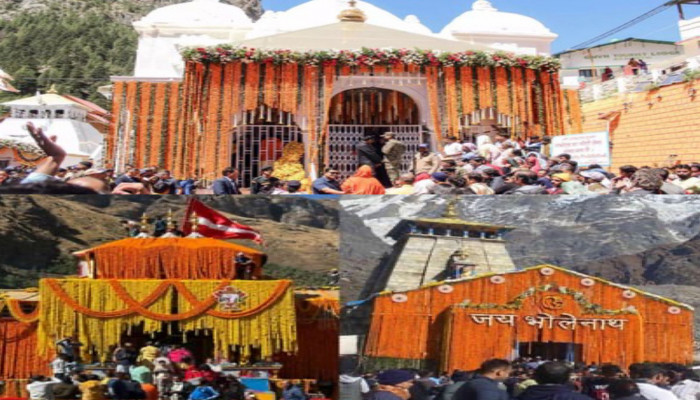
The Badrinath Kedarnath Temple Committee (BKTC), which manages the Char Dham shrines of Badrinath and Kedarnath along with 47 other temples, is considering a proposal to restrict the entry of non-Hindus at these religious sites. This move comes soon after a proposal to limit the entry of non-Hindus at 105 ghats in the Kumbh area in Haridwar.
According to sources, the proposal is likely to be placed before the BKTC board soon. It is said to have the support of most stakeholders. BKTC chairman Hemant Dwivedi explained that the proposed restriction is based on long-standing religious traditions. He said, “This has been followed since the time of Adi Shankaracharya. We see nothing wrong in preserving religious traditions.”
He further stated that historically, the entry of non-Hindus has been restricted at these shrines. Referring to Article 26 of the Indian Constitution, which gives religious groups the right to manage their own affairs, Dwivedi said the committee is within its rights to take such a decision.
Dwivedi also clarified the meaning of the term “non-Hindus” and said it should not be misunderstood. He stated, “Those who respect our faith are welcome. The dhams are centres of faith, not tourism.”
Meanwhile, the Uttarakhand government is also considering a ban on the entry of non-Hindus at 105 ghats in Haridwar. The government is also weighing the idea of declaring Haridwar and Rishikesh as “sanatan pavitra shehar” or holy cities.
Sources said that the process could begin with the Haridwar Ardh Kumbh, which is scheduled from January 14. The proposal may also refer to provisions of a 1916 agreement involving Ganga Sabha founder Madan Mohan Malviya.
The issue gained attention since it involves religious traditions, constitutional rights, and administrative decisions related to major pilgrimage sites. The final decision is expected after discussions within the BKTC board and further deliberations by the state government.



 Loading...please wait
Comments