



Jimmy Lai jailed for 20 years in Hong Kong sedition case, Beijing faces international condemnation
- In Reports
- 09:38 PM, Feb 09, 2026
- Myind Staff
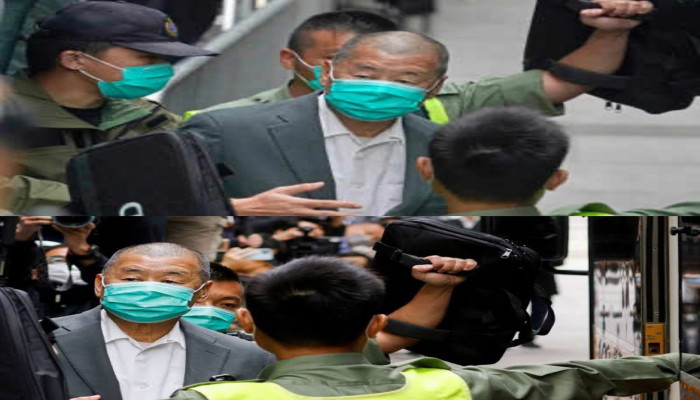
The Hong Kong court has sentenced Jimmy Lai, a prominent media tycoon and strong critic of China, to 20 years in prison in a major sedition and national security case. The decision has triggered international criticism, with several countries and rights groups calling the punishment harsh and politically driven.
78-year-old Jimmy Lai, the founder of the now-shut pro-democracy newspaper Apple Daily, has been one of the most well-known figures opposing Beijing’s control over Hong Kong. The court ruling has again raised serious concerns over freedom of speech and press freedom in the city.
According to the report, Lai was convicted of colluding with foreign forces and publishing seditious material. These charges fall under Hong Kong’s National Security Law, which was imposed by China in 2020. This law has been widely criticised internationally, as it is seen as a tool to suppress political opposition and silence critics.
The report states that the case against Lai included allegations that he had worked with foreign powers and encouraged actions that could threaten China’s national security. The sedition charge was also linked to content published by Apple Daily, which authorities claimed was aimed at spreading hatred against the government.
The sentencing has become one of the most high-profile cases under the security law. Jimmy Lai’s supporters say the punishment is meant to send a message to journalists and pro-democracy voices in Hong Kong.
Hong Kong’s Chief Executive John Lee welcomed the court decision and openly supported the heavy punishment. He said the sentencing was “deeply gratifying.” His office released a statement saying, “Jimmy Lai’s crimes are heinous and evil in the extreme. His heavy 20-year sentence demonstrates the rule of law and upholds justice.”
Chinese authorities also defended the judgment. Beijing’s Foreign Ministry spokesperson Lin Jian said the sentence was lawful and justified. He stated that it was “legitimate, reasonable, and legal,” and added that “there is no room for argument.”
However, the punishment has drawn strong condemnation internationally. Many governments and rights organisations have criticised the case, calling it an attack on free speech and democracy in Hong Kong.
Britain’s Foreign Secretary Yvette Cooper called the case a “politically motivated prosecution.” She said the security law was used to “silence critics.” The report also mentioned that British Prime Minister Keir Starmer raised Jimmy Lai’s case directly with Chinese President Xi Jinping during his Beijing visit.
Several international press freedom and rights groups also reacted sharply. Reporters Without Borders issued a strong statement saying, “Today, the curtain falls on press freedom in Hong Kong.” The organisation further urged democratic nations to take action and said, “Democracies, such as the UK and the US, must stop prioritising the normalisation of relations with China and instead exert pressure on the Chinese regime and Hong Kong authorities to ensure that Jimmy Lai and all other journalists are released from prison.”
Human Rights Watch also condemned the sentence, calling it extremely cruel due to Lai’s age. The group said the punishment was “effectively a death sentence” and added, “A sentence of this magnitude is both cruel and profoundly unjust.”
Amnesty International described the situation as alarming and said the case marked “another grim milestone in Hong Kong’s transformation from a city governed by the rule of law to one ruled by fear.”
The European Union also reacted and urged Hong Kong authorities to take steps to protect media freedom. The EU called on officials to “restore confidence in press freedom in Hong Kong… and to stop prosecuting journalists.”
The report notes that Lai has already spent years in custody since his arrest, and this new sentence adds to the growing list of tough punishments under the national security law. Many critics believe the law has weakened Hong Kong’s legal independence and reduced civil liberties.
Jimmy Lai’s case is seen as a major symbol of the crackdown on democracy activists and independent media in Hong Kong. His sentencing has once again placed Beijing under international pressure, as concerns grow over the future of political freedom and journalism in the region.



 Loading...please wait
Comments