




Japan’s Proterial bets big on India with ₹2,250 crore rare earth manufacturing facility in Andhra Pradesh
- In Reports
- 06:36 PM, Jun 16, 2026
- Myind Staff
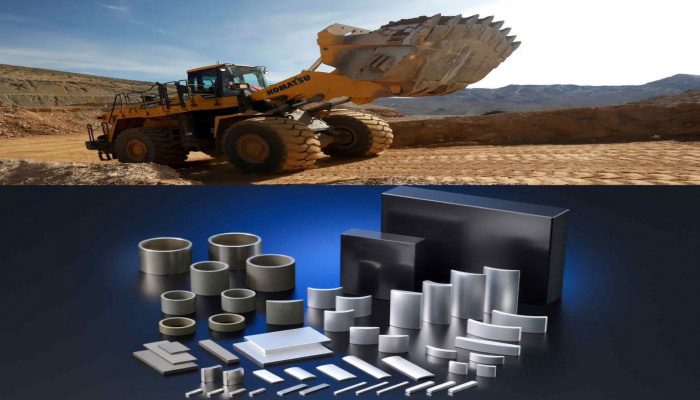
India is set to strengthen its position in the rare earth manufacturing sector with a major investment from Japanese materials company Proterial. The company plans to establish a permanent magnet manufacturing facility in Andhra Pradesh with an investment of ₹2,250 crore. The project is expected to significantly boost India’s domestic production capacity and reduce its dependence on imports of rare earth magnets from China.
The proposed facility will be located in Achutapuram in Andhra Pradesh’s Anakapalli district. According to reports, the proposal has already received approval from the State Investment Promotion Committee during its meeting held last week. People familiar with the matter confirmed that the project has been cleared and is expected to move forward in the coming months.
The new manufacturing unit will focus on producing sintered neodymium-iron-boron (NdFeB) permanent magnets. The plant will have a production capacity of 1.2 kilo tonnes per annum (ktpa). NdFeB magnets are regarded as one of the most important rare-earth magnet technologies used across several advanced industries. Their growing demand has made them a strategic component for many countries aiming to strengthen domestic manufacturing.
These magnets play a critical role in electric vehicles, wind energy systems, industrial motors, consumer electronics, aerospace applications and defence technologies. Their ability to provide strong magnetic performance makes them essential for modern high-tech equipment. As industries continue to move towards electrification and advanced manufacturing, the demand for such magnets is expected to rise further.
The investment comes at a time when India is actively working to develop its domestic rare earth ecosystem. The country has been taking steps to reduce reliance on imported rare earth magnets and build local capabilities across the supply chain. Strengthening domestic production is considered important for achieving long-term industrial growth and improving technological self-reliance.
India’s push towards self-reliance in critical materials has gained momentum in recent years. Rare earth magnets are increasingly being viewed as strategic resources because of their widespread use in clean energy technologies, transportation systems and advanced electronics. The establishment of a large-scale manufacturing facility is expected to support the government’s efforts to create a more resilient and secure supply chain.
The project also aligns with recent policy initiatives announced by the Central government. To encourage domestic manufacturing in this sector, the government recently approved a dedicated incentive programme aimed at boosting local production of sintered rare earth permanent magnets. The initiative reflects the growing importance being placed on developing a strong domestic rare earth industry.
Proterial is considered one of the global leaders in advanced magnetic materials. The company was previously known as Hitachi Metals and is recognised as one of the pioneers of NdFeB magnet technology. Over the years, it has built a strong reputation for innovation and expertise in the field of permanent magnets and specialised materials.
Today, Proterial remains among the leading suppliers of advanced magnetic products worldwide. The company operates across several regions, including North America, Europe, China and other parts of Asia. Its global presence and technological expertise have made it an important player in the international rare earth magnet market.
The Japanese company reported consolidated revenues of nearly ₹45,000 crore last year. Its decision to establish a manufacturing base in India is being viewed as a significant development for the country’s industrial sector. The investment is expected to support local manufacturing, create employment opportunities and encourage the development of a stronger rare earth ecosystem.
Industry observers believe that the project could help India emerge as a more important participant in the global rare earth supply chain. With rising demand for electric vehicles, renewable energy technologies and advanced electronics, access to reliable supplies of rare earth magnets has become increasingly important. The Andhra Pradesh facility is expected to contribute to meeting this demand while strengthening India’s manufacturing capabilities.
The planned investment highlights growing confidence among international companies in India’s industrial and manufacturing potential. As the country continues to focus on developing critical technologies and strategic industries, projects such as this are expected to play an important role in shaping the future of domestic manufacturing and technological growth.



 Loading...please wait
Comments