




Japan, US jointly buy yen pledge further market intervention if needed
- In Reports
- 02:59 PM, Aug 03, 2026
- Myind Staff
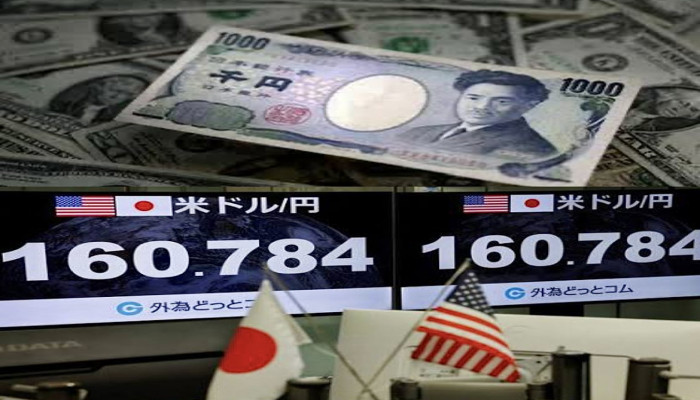
Japan and the United States have confirmed that they carried out a coordinated intervention in the foreign exchange market to support the Japanese yen. The announcement came on Monday, marking a rare joint move by the two countries to stop the yen from falling to its weakest level in nearly 40 years. Japanese authorities also made it clear that they are prepared to take similar action again if market conditions demand it.
The intervention reflects the commitment of both governments to prevent sharp swings in the yen and Japanese government bonds from affecting global financial markets. Analysts said a weaker yen and rising Japanese bond yields could also add pressure on US Treasury yields, making the coordinated action important for both countries.
This is the first joint currency intervention by Japan and the US since 2011. At that time, the two countries worked together to weaken the yen after the devastating earthquake and tsunami that struck eastern Japan.
US President Donald Trump said on Sunday that the United States was helping Japan strengthen the yen as a sign of friendship and to support the global economy. Market experts also believe that assisting Japan serves US interests. They said an extremely weak yen reduces the impact of Trump's tariffs by making Japanese exports more competitive.
In an official statement, Japan's Finance Ministry said Friday's intervention, carried out with the US Treasury Department, "countered excessive volatility and disorderly movements in the Japanese yen in recent months."
Finance Minister Satsuki Katayama also warned that authorities are ready to step in again if required. She told reporters, "We will not hesitate conducting further coordinated intervention." However, she refused to comment when asked whether officials had entered the market again on Monday.
Following the announcement, the yen gained more than one per cent against the US dollar and strengthened to around 155.20 per dollar. It reached its strongest level since early May after falling close to 164 per dollar last month, its weakest level in nearly four decades. Traders remained alert as they expected the possibility of further intervention.
The latest move has also shifted attention to the Bank of Japan and its future policy decisions. Japan's top currency diplomat Atsushi Mimura highlighted the close coordination between the government and the central bank. He said, "The joint intervention is the culmination of Japan's alliance with the US." He added, "We will continue to align (currency policy) with the Bank of Japan's monetary policy," indicating that both sides will continue working together to stabilise the yen.
US Treasury Secretary Scott Bessent also confirmed Friday's intervention. He said Washington remains ready to support Japan again if necessary. In a statement posted on X, Bessent said, "We will not hesitate to participate in further joint intervention." He also stated, "We strongly support Japan's decisive market and monetary steps to correct the substantial undervaluation of the yen," while repeating his call for the Bank of Japan to raise interest rates further.
These remarks have increased expectations that the Bank of Japan could raise interest rates at its next policy meeting in September. Last week, the central bank kept rates unchanged but indicated that another increase remains possible in the coming months.
Naomi Muguruma, chief bond strategist at Mitsubishi UFJ Morgan Stanley Securities, believes the latest statements strengthen the case for tighter monetary policy. She said, "The comments by Mimura and Bessent must be music to the ears of hawks within the BOJ." She added, "I feel like a September rate hike is a done deal. It won't make sense for the BOJ to wait until October and cause another bout of yen declines."
The bond market also reflected these expectations. Japan's two-year government bond yield, which reacts quickly to changes in monetary policy, briefly climbed to 1.545 per cent on Monday. It reached its highest level since 1995 as investors increased bets on an early rate hike.
Japan has struggled for months to stop the yen from weakening. The falling currency has pushed up the cost of imported goods and added to inflation. Higher prices have increased pressure on households and affected Prime Minister Sanae Takaichi's public approval ratings.
Earlier efforts by Japanese authorities produced only temporary results. Japan's solo currency intervention between late April and early May led to only a short-lived recovery in the yen. The Bank of Japan's decision in June to raise interest rates to one per cent, the highest level in 31 years, also failed to provide lasting support for the currency.
Before Friday's confirmed joint intervention, Bank of Japan data suggested that Japanese authorities may have sold up to $58.97 billion to purchase yen during intervention carried out in New York trading on Thursday.
The latest cooperation between Tokyo and Washington extends beyond direct market intervention. Scott Bessent said the United States would consider increasing the size of the Federal Reserve's repurchase facility over the coming months. He described it as "an important backstop."
His remarks followed a rare post by Japan's Finance Ministry on X on Saturday. The ministry said it has "a broad range of tools to address market liquidity needs," including access to the Federal Reserve's repurchase facility that provides temporary dollar liquidity.
The Federal Reserve introduced this facility in 2020 during the COVID-19 pandemic to stabilise financial markets. It allows countries such as Japan to obtain temporary dollar funding without selling US Treasury securities. This arrangement can reduce funding pressure while supporting future currency interventions.
Despite the strong message sent by the joint intervention, several analysts remain cautious about its long-term impact. They believe deeper economic factors continue to weaken the yen. Rising energy costs linked to tensions in the Middle East and the interest rate gap between Japan and the United States continue to weigh on the Japanese currency.
Tsuyoshi Ueno, senior economist at NLI Research Institute, said, "The announcement effect of joint intervention is much bigger than solo action by Japan." However, he added, "But the fundamentals driving yen weakness haven't changed, so we likely won't see one-sided yen rises from this intervention."



 Loading...please wait
Comments