




Japan revises diplomatic ties with China as strategic strain deepens
- In Reports
- 07:16 PM, Mar 24, 2026
- Myind Staff
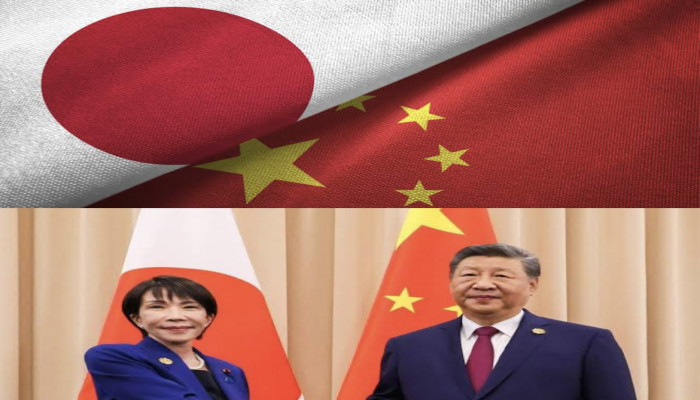
Japan is set to revise how it officially describes its relationship with China, signalling a clear shift in diplomatic tone as tensions between the two countries continue to rise. According to a draft of Japan’s annual Diplomatic Bluebook, the government will no longer refer to China as “one of its most important” partners. Instead, it plans to describe China as an “important neighbour” and characterise the relationship as “strategic” and “mutually beneficial.”
This change reflects a noticeable deterioration in ties between the two nations over the past year. The updated wording in the 2026 Diplomatic Bluebook, which is expected to be approved by the government led by Prime Minister Sanae Takaichi next month, highlights how relations have become increasingly tense. While the new description still acknowledges the importance of the relationship, it removes the earlier emphasis that placed China among Japan’s most critical partners.
The shift in language comes after a series of disagreements and confrontations between Tokyo and Beijing. Among the issues cited in the report are China’s export controls on rare earth materials, incidents involving radar targeting of Japanese military aircraft, and growing pressure related to Taiwan. These developments have contributed to a steady decline in trust and cooperation between the two countries.
Tensions worsened further after remarks made by Takaichi in November. She suggested that Japan could consider deploying its military if China were to take action against Taiwan and if such a move threatened Japanese territory. This statement angered Beijing and marked a significant moment in the relationship, as it indicated a stronger and more direct stance from Japan on regional security issues.
China responded to these remarks with a series of measures that added to the strain in ties. These included reimposing restrictions on Japanese seafood imports, advising Chinese citizens to avoid travel to Japan, and introducing curbs on exports of rare earths and critical minerals. These materials are essential for manufacturing electronic components, making the restrictions economically significant for Japan.
Despite the backlash, Takaichi defended her position, stating that her comments were consistent with Japan’s existing security laws. However, a report by US intelligence agencies suggested that her statements represented a sharp shift from the more cautious language used by previous Japanese leaders. The Japanese government, however, rejected this assessment and maintained that its approach remains within established legal and policy frameworks.
In a speech delivered to parliament earlier, Takaichi expressed concerns about China’s actions, warning about increasing economic and security challenges. She referred to China’s behaviour as “coercion” and pointed to its growing alignment with countries like Russia and North Korea as part of a broader regional concern. These remarks further underline the strategic tensions shaping Japan’s current foreign policy outlook.
At the same time, Japan has been strengthening its cooperation with the United States. During a recent meeting between Takaichi and US President Donald Trump at the White House, both countries announced a joint plan to reduce dependence on China for critical minerals and rare earth supplies. This move highlights a broader effort to diversify supply chains and reduce vulnerability to disruptions linked to geopolitical tensions.
Overall, the decision to change how Japan describes its relationship with China reflects a deeper and ongoing shift in diplomatic relations. While the two countries remain economically interconnected, growing political and security concerns have made the relationship more complex. The updated language in the Diplomatic Bluebook signals that Japan is adjusting its stance to reflect current realities, balancing the need for cooperation with increasing caution.



 Loading...please wait
Comments