




ISRO reaches major milestone with successful hot test of new generation rocket
- In Reports
- 07:46 PM, Jun 27, 2026
- Myind Staff
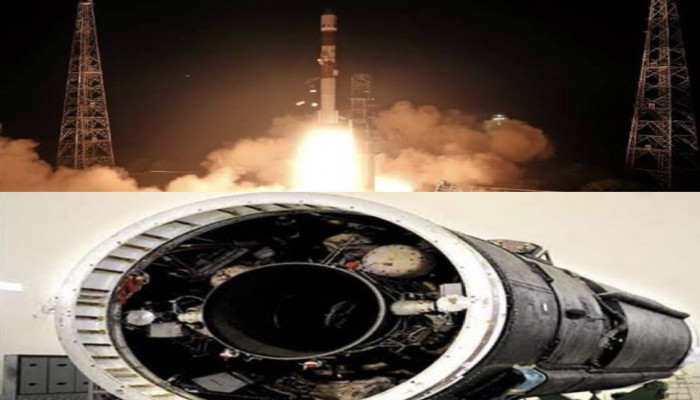
The Indian Space Research Organisation (ISRO) has achieved a major milestone in the development of its next-generation propulsion system after successfully conducting a hot test of its semi-cryogenic engine power head. The test reached 88 per cent of the engine’s target thrust and marked significant progress in the development of the advanced rocket engine.
ISRO carried out the important test on June 24 at the ISRO Propulsion Complex in Tamil Nadu. The test covered every major engine system except the thrust chamber. The engine’s power head operated steadily at a thrust level of 175 tonnes during the trial. The successful performance has strengthened ISRO’s confidence in the engine’s capabilities and brought the project closer to its next phase.
The latest test was the eighth in a series of hot tests conducted with the Power Head Test Article (PHTA). ISRO had earlier completed similar tests at 47 per cent and 60 per cent of the target thrust. With the successful 88 per cent thrust test, the space agency believes it has gained enough confidence to move ahead with a full-thrust demonstration at 200 tonnes.
Speaking to reporters, ISRO Chairman V Narayanan said, “...a test that was conducted, excluding the thrust chamber…we have taken close to 90% of the thrust load…it was a major achievement and milestone, and now we are getting ready for the engine test…”
He also shared an update on ISRO’s upcoming space missions. “Satellites are ready, and we are working on that; an exact date will be provided soon…Gaganyaan is a technology-intensive mission. We have to do the human-rating of the vehicle…before sending actual human beings, we have to do 3 uncrewed missions, and we are working towards the first uncrewed mission. You will come to know about the dates very shortly…” he added.
ISRO is developing the Semi-Cryogenic Propulsion Stage (SC120) to replace the existing core stage of the LVM3 launch vehicle. The space agency has described this upgrade as a strategic step in strengthening India’s launch capabilities. The new propulsion stage will use liquid oxygen and kerosene-based fuel. ISRO expects the system to increase the rocket’s payload capacity while improving overall operational efficiency.
The space agency also stated that combining the semi-cryogenic propulsion system with an upgraded cryogenic upper stage will significantly improve the performance of the LVM3 launch vehicle. This upgrade forms an important part of ISRO’s long-term roadmap to enhance the rocket’s payload-carrying capability for future missions.
Earlier in March, ISRO successfully conducted a sea-level hot test of its CE20 cryogenic engine at a thrust of 22 tonnes. The earlier version of the engine generated 19 tonnes of thrust. During the test, engineers used a nozzle protection system and a multi-element igniter at the propulsion complex in Mahendragiri. The successful trial validated the improved engine configuration.
The CE20 cryogenic engine currently powers the upper cryogenic stage of the LVM3 launch vehicle. ISRO plans to use the upgraded C32 stage with the enhanced 22-tonne-thrust CE20 engine in future LVM3 missions. The improved stage will further increase the payload capacity of the launch vehicle and support more demanding space missions in the coming years.
The successful semi-cryogenic engine test marks another important step in ISRO’s efforts to develop more powerful and efficient launch systems. The achievement also supports the agency’s broader plans for future satellite launches and the upcoming Gaganyaan human spaceflight programme.



 Loading...please wait
Comments