




Israel election chief orders probe into foreign interference as Netanyahu targets Arab-led parties
- In Reports
- 05:36 PM, Oct 29, 2026
- Myind Staff
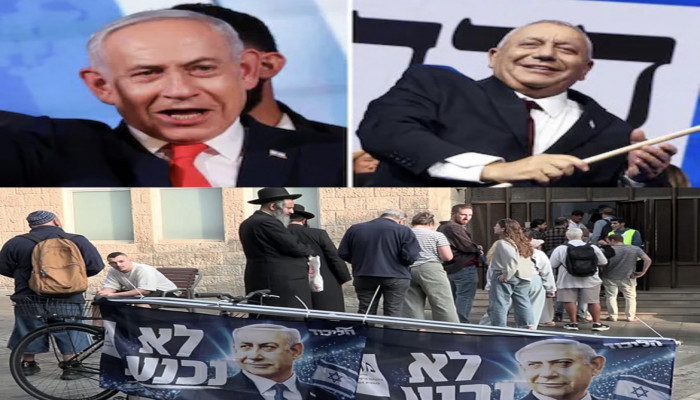
Israel’s election chief has ordered an investigation into alleged foreign interference in the October 28 election, as Prime Minister Benjamin Netanyahu accused Arab-led parties of stealing votes. The allegations surfaced on Thursday, October 29, amid a political deadlock, with neither Netanyahu’s bloc nor the opposition securing a majority in the 120-member Knesset.
Central Elections Committee chair Justice Noam Sohlberg asked Shin Bet chief David Zini to investigate suspected foreign funding and electoral bribery. He sought a report within a week, stating, “Serious suspicions have been brought to my attention regarding improper influence on the elections exerted through funding provided by foreign entities acting against Israeli interests.”
He added, “While I cannot attest to the substance of these suspicions, it is my view that given they involve foreign entities, there is an obligation to investigate them thoroughly.”
Netanyahu called the allegations the “Ra'amgate affair” in a post on X, saying, “The Ra'amgate affair is an earthquake. They stole the elections in Israel!”
He alleged that the suspected interference aimed to undermine democracy and called for immediate action by security agencies and police. However, the claims remain unproven. Police previously said there was “no supporting evidence” for Likud’s allegation that Arab-led parties stole the election.
Likud suspects Qatar and Turkey funded groups mobilising Arab voters, according to Hebrew-language media reports. Channel 12 reported that the Shin Bet received intelligence about suspected funding channels resembling those previously used to finance terrorism. Authorities have not confirmed any foreign country’s involvement.
Separately, police arrested four men on Thursday over an alleged voter bribery scheme. The arrests followed the detention of three Bedouin men on election day over suspicions of planning to pay people to vote for Ra’am. The party identified them as activists and denied the allegations. Any link between the arrests and the Shin Bet investigation remains unclear.
Media projections put Netanyahu’s bloc at 53 seats, opposition parties at 48 and Arab-led parties at 19. At least 61 seats are required for a majority. Former military chief and Netanyahu rival Gadi Eisenkot has expressed willingness to cooperate with Arab-led parties to form a government.
Joint List leader Ahmad Tibi said the opposition had approached him about replacing the Knesset speaker. Small rallies in Tel Aviv and Jerusalem also supported a coalition involving Arab-led parties. An Arab party’s participation in a coalition in 2021 marked a historic shift in Israeli politics.
Final results could arrive on Thursday evening after officials count around 500,000 absentee ballots. Results must be certified by November 4, with the new parliament scheduled to be sworn in on November 10. President Isaac Herzog is expected to begin the government formation process the following week.
The election also highlighted disputes over military exemptions for ultra-Orthodox Jews, Netanyahu’s corruption allegations and Israel’s international standing over the Gaza war and settler violence in the occupied West Bank. Meanwhile, possible renewed US strikes against Iran could further complicate coalition negotiations.



 Loading...please wait
Comments