




Israel deepens Lebanon offensive after capturing historic Beaufort Castle
- In Reports
- 05:50 PM, Jun 01, 2026
- Myind Staff
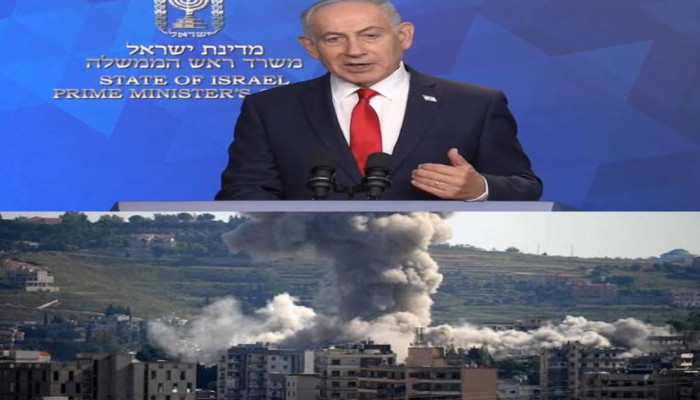
Israeli Prime Minister Benjamin Netanyahu has ordered troops to push further into Lebanon and expand military operations against the Iran-backed Hezbollah group, despite a ceasefire that was announced more than six weeks ago. The move comes after Israeli forces captured the historic Beaufort Castle and a strategic ridge in southern Lebanon, marking one of the most significant advances by Israeli troops since the ceasefire.
The latest order followed a major escalation in fighting between Israel and Hezbollah. Israeli forces seized the 900-year-old Beaufort Castle after days of intense clashes and airstrikes. The advance came a day after Hezbollah launched one of its heaviest attacks on northern Israel since the ceasefire agreement in April.
In a video message released by his office, Netanyahu described the capture of Beaufort Castle and the surrounding ridge as a major achievement. He said the development represented a significant change in Israel’s approach to the conflict.
“The capture of Beaufort is a dramatic stage and a dramatic shift in the policy we are leading. Now my directive is to deepen and expand our hold on areas that had been under Hezbollah’s control," he said.
The fighting has raised concerns about the future of the ceasefire, as both sides continue to exchange fire. Hezbollah has increasingly relied on low-cost kamikaze drones that are easy to assemble and difficult for air defence systems to intercept. These drones have been used in attacks on Israeli military positions in recent weeks and have resulted in casualties among Israeli troops stationed near the border.
Hezbollah continued its attacks on Sunday, launching rockets and drones toward northern Israel. The strikes triggered warning sirens in Acre and the Haifa region. It was the first attack on a major northern urban area in nearly a month, according to Israeli media reports.
Israeli authorities said four soldiers suffered minor injuries on Sunday afternoon when an explosive-laden Hezbollah drone hit a military position close to the northern border. A day earlier, an Israeli soldier was killed during clashes with Hezbollah fighters near the Beaufort ridge, highlighting the intensity of the ongoing conflict.
The capture of Beaufort Castle is being viewed as both a symbolic and strategic victory for Israel. The medieval fortress occupies a commanding position overlooking large areas of southern Lebanon and has long held military significance due to its location. Control of the site has historically provided an important tactical advantage to whoever held it.
Netanyahu also reflected on the castle’s place in Israeli history. He noted that the fortress had become a powerful symbol following its capture during the First Lebanon War in 1982. Israel maintained control over Beaufort Castle and the surrounding ridge throughout its occupation of southern Lebanon, which lasted for 18 years until Israeli forces withdrew from the area in 2000.
The renewed Israeli advance has sparked criticism from Lebanon. Lebanese President Joseph Aoun condemned the operation and accused Israel of escalating violence in the region. In a statement posted on X, Aoun said Lebanon was facing “a vicious and reprehensible Israeli aggression". He also pledged to “work to end the suffering of the Lebanese people, and people in the south in particular".
Growing concerns over the deteriorating situation have prompted international attention. The United Nations Security Council is scheduled to hold an emergency meeting on Lebanon following Netanyahu’s latest announcement and the recent escalation in fighting. The meeting was requested by France as violence continues to intensify in southern Lebanon.
French President Emmanuel Macron also expressed concern over the worsening conflict. He said that “nothing justifies the major escalation underway in South Lebanon". France has been among the countries calling for restraint and a return to efforts aimed at preserving stability along the Israel-Lebanon border.
The ongoing war between Israel and Hezbollah has already caused significant casualties on both sides. According to the Lebanese government, more than 3,370 people have been killed in Lebanon since the conflict began. The majority of the deaths have occurred in areas affected by Israeli military operations and airstrikes.
Israel has reported lower casualty figures but continues to face attacks from Hezbollah. Israeli authorities say that 24 soldiers and four civilians have been killed during the conflict so far.
With Israel expanding its operations in southern Lebanon and Hezbollah continuing its rocket and drone attacks, fears are growing that the fragile ceasefire could collapse completely. The capture of Beaufort Castle has become the latest flashpoint in a conflict that shows few signs of easing, despite increasing international calls for de-escalation and diplomatic efforts to prevent a wider regional crisis.



 Loading...please wait
Comments