



Israel and Lebanon ceasefire gets extended by three weeks
- In Reports
- 02:05 PM, Apr 24, 2026
- Myind Staff
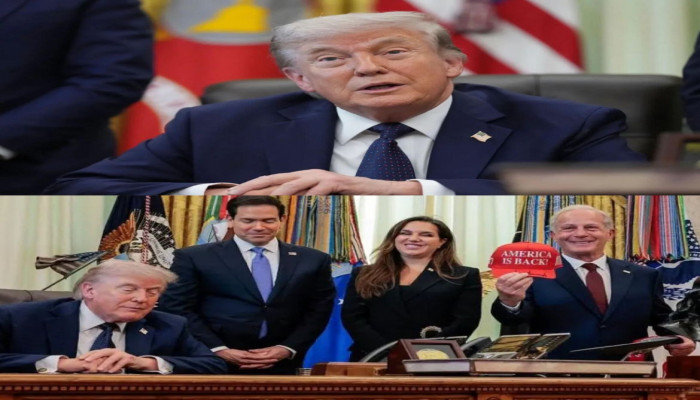
US President Donald Trump has announced that the ongoing ceasefire between Israel and Lebanon will be extended by three more weeks. The decision came after Israeli and Lebanese representatives held a second round of discussions at the White House. These talks followed weeks of rising tensions and conflict between the two sides.
According to Trump, the meeting between the ambassadors of Israel and Lebanon to the United States was positive. He stated that the discussions went “very well,” indicating progress in easing tensions. This marked the second high-level negotiation between the two countries within a short span, as diplomatic efforts intensified to prevent further escalation.
The original ceasefire agreement had been set for 10 days and came into effect last Friday. It was scheduled to end on Monday. However, with the extension now in place, both nations will have additional time to continue dialogue and maintain relative calm along the border.
Trump announced a post on his social media platform, Truth Social. In his statement, he said, “The United States is going to work with Lebanon in order to help it protect itself from Hezbollah. The Ceasefire between Israel and Lebanon will be extended by THREE WEEKS,” Trump said in a post on his Truth Social account as he further added that he ‘looks forward to hosting’ Israeli Prime Minister Bibi Netanyahu, and the President of Lebanon, Joseph Aoun. His remarks highlight the US role in supporting Lebanon while also facilitating communication between both sides.
The conflict involving Lebanon is closely linked to the broader tensions in the Middle East. Lebanon was drawn into the ongoing war shortly after the United States and Israel launched strikes on Iran on February 28. Within two days of these strikes, Hezbollah began firing rockets into northern Israel. This action triggered a strong response from Israel.
In retaliation, Israel carried out extensive bombing across Lebanon and launched a ground invasion. During this operation, Israeli forces captured several towns and villages located near the border. The escalation significantly increased instability in the region and raised concerns about a wider conflict.
The ceasefire and its extension are being seen as an important step toward reducing violence and allowing diplomatic efforts to continue. With the United States actively involved, there is hope that further negotiations could lead to a more stable and lasting solution. The planned meeting involving Benjamin Netanyahu and Lebanese President Joseph Aoun may play a key role in shaping the next phase of discussions.



 Loading...please wait
Comments