



IRGC Naval Commander controlling Strait of Hormuz killed in Israeli Strike
- In Reports
- 04:46 PM, Mar 26, 2026
- Myind Staff
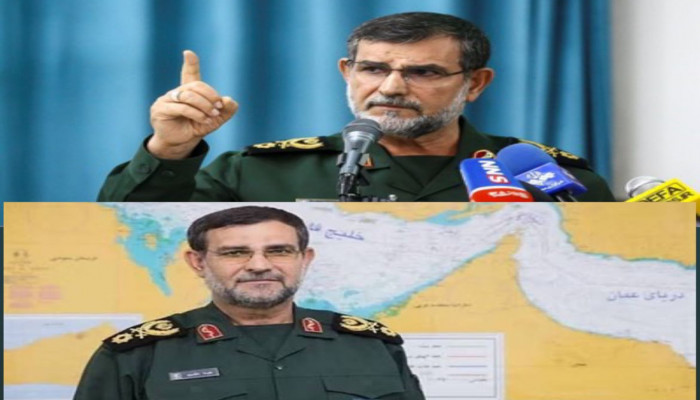
Iran’s Revolutionary Guard Navy commander, Alireza Tangsiri, who played a central role in controlling the strategically important Strait of Hormuz, has reportedly been killed in an Israeli airstrike. The strike is said to have taken place in the southern port city of Bandar Abbas, a critical location near the narrow waterway that handles a significant portion of global oil shipments. His reported death marks a major development in the ongoing tensions between Iran and Israel.
According to reports, Tangsiri was a key figure in Iran’s naval operations and had been closely associated with decisions impacting maritime activity in the region. He was widely known for his strong stance on controlling access to the Strait of Hormuz and had earlier issued warnings about restricting or shutting down the route in response to threats from adversaries. The waterway is one of the most important oil transit routes in the world, making any disruption there a matter of global concern.
The Israeli strike that reportedly killed Tangsiri comes amid a broader escalation in the region. Israeli forces have been carrying out targeted operations against Iranian military assets and officials. While Israeli authorities have not publicly detailed the operation, officials have indicated that the strike was aimed at weakening Iran’s military command structure. There has been no immediate confirmation from Iranian authorities regarding his death.
Tangsiri had gained prominence over the years due to his aggressive naval strategies and statements regarding regional security. He had repeatedly emphasised Iran’s ability to control maritime traffic in the Strait of Hormuz. His leadership in the Islamic Revolutionary Guard Corps Navy made him one of the most influential figures in Iran’s military establishment, especially in matters related to naval warfare and strategic waterways.
His reported killing is expected to have significant implications for the already tense situation in the Middle East. Analysts believe that removing such a high-ranking commander could impact Iran’s immediate operational capabilities, but it may also lead to further retaliation or escalation. The region has already witnessed a series of strikes, counter-strikes, and rising hostilities involving multiple actors.
The Strait of Hormuz has long been a flashpoint in geopolitical tensions. A large percentage of the world’s oil supply passes through this narrow passage, and any threat to its security can have far-reaching economic consequences. Tangsiri’s role in overseeing naval activities in this region had made him a central figure in Iran’s strategy to exert pressure on global energy routes.
In previous statements, Tangsiri had made it clear that Iran would not hesitate to respond to threats. He had said, “We can close the Hormuz Strait but are not doing so. However, if the enemy comes to disrupt us, we will review our policy.” This statement reflected Iran’s position of maintaining control over the waterway while keeping the option of escalation open.
The current situation remains fluid, with no official confirmation from Iran and limited details from Israeli sources. However, the reported strike highlights the increasing intensity of the conflict and the willingness of both sides to target high-profile figures. The killing of such a senior commander, if confirmed, could further deepen the crisis and raise concerns about stability in the region.
As tensions continue to rise, the international community is closely watching developments, especially given the global importance of the Strait of Hormuz. Any further escalation could have serious consequences not just for the Middle East, but for global trade and energy markets as well.



 Loading...please wait
Comments