




IRGC assumes ‘de facto’ control of Iranian government
- In Reports
- 06:14 PM, Apr 01, 2026
- Myind Staff
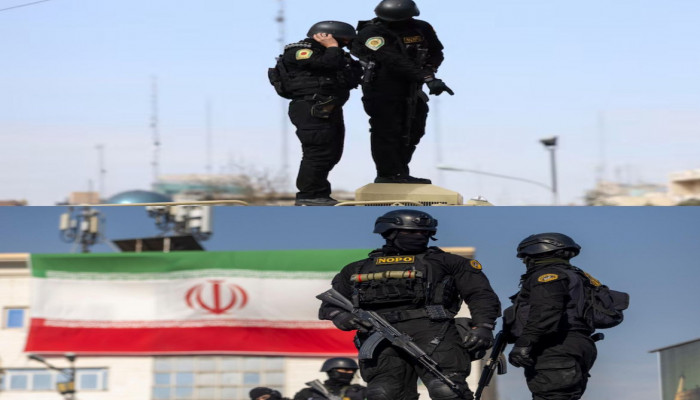
Iran’s political system is facing serious internal strain, with the Islamic Revolutionary Guard Corps reportedly taking “de facto control” of the government. According to a report by Iran International, this shift in power has pushed President Masoud Pezeshkian into what has been described as a “complete political deadlock”. The development comes at a time when tensions remain high due to the ongoing military conflict between Iran and the United States, with backing from Israel. The conflict has now continued for over a month and has deeply affected the country’s leadership structure.
The situation has become more complicated after the loss of several senior figures in Iran’s leadership during the war, including former Supreme Leader Ali Khamenei. In addition, key military facilities have been targeted in strikes, further weakening the state’s traditional command system. Amid this uncertainty, the condition and whereabouts of the new Supreme Leader, Mojtaba Khamenei, remain unclear. Reports suggest that the IRGC has increased its control over national security and decision-making structures during this period.
The report highlights growing tensions between the civilian government led by Pezeshkian and the country’s military leadership. This friction has led to a situation where the president’s authority has been significantly reduced. The IRGC has reportedly intervened directly in governance by halting presidential appointments and blocking key decisions. It has also strengthened its security presence around the central power structure, effectively sidelining the elected government from its executive role.
One major example of this interference involves Pezeshkian’s attempt to appoint a new intelligence minister. According to sources cited in the report, these efforts failed due to direct pressure from IRGC chief commander Ahmad Vahidi. Several proposed candidates, including Hossein Dehghan, were rejected. Vahidi is reported to have insisted that, given the wartime situation, all sensitive and important leadership roles must remain under the control of the IRGC for now.
Under Iran’s established political system, presidents typically suggest candidates for the intelligence minister only after receiving approval from the Supreme Leader, who holds final authority over major security matters. However, in this case, Pezeshkian has reportedly been unable to follow that process. He has made repeated attempts in recent days to arrange an urgent meeting with Mojtaba Khamenei, but these efforts have not received any response. No direct contact has been established so far, further adding to the uncertainty.
Sources quoted in the report claim that a “military council” made up of senior IRGC officers is now fully controlling the country’s main decision-making system. This council is believed to be overseeing key state functions and directing policy decisions during the ongoing conflict. In addition, a strict security cordon has reportedly been placed around Mojtaba Khamenei. This has limited access to him and prevented official government reports about the country’s situation from reaching him.
The developments indicate a significant shift in Iran’s internal power balance, with the military establishment gaining dominance over civilian leadership. The reported “de facto control” of the IRGC suggests that, at least for now, the country’s governance is being shaped more by military priorities than by elected authority. As the conflict continues and uncertainty around leadership remains, the situation reflects a deepening political crisis within the country.



 Loading...please wait
Comments