



Ireland sounds alarm over China’s growing influence in Universities
- In Reports
- 06:28 PM, Dec 31, 2025
- Myind Staff
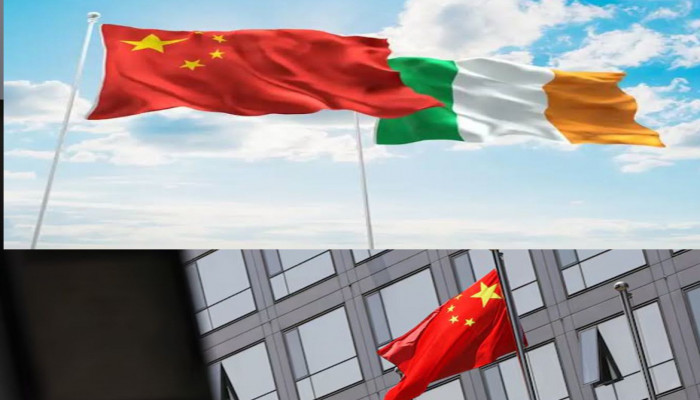
Ireland’s top security agencies have raised concerns about China’s expanding influence in Irish universities, especially through academic and research collaborations. Ireland’s security establishment said that some foreign collaborations might pose risks to national safety and academic freedom.
According to the report, Ireland’s Military Intelligence has quietly warned senior officials at universities of the dangers that could arise from certain research partnerships. These warnings focused mainly on partnerships with China but also pointed to broader foreign influence concerns.
A senior officer from the Irish Military Intelligence Service (IMIS) spoke to the media about the issue, explaining that some academic work, which looks purely scientific or civilian, can be used for military or strategic purposes. This type of work, known as “dual-use” research, could potentially be misused.
The intelligence briefings told university leaders that research in fields such as artificial intelligence, engineering, cybersecurity, and emerging technologies could be especially vulnerable to exploitation by foreign states, particularly China. The concern is that sensitive knowledge shared through universities could be used in ways that threaten Ireland’s security.
The IMIS official said that the intelligence agency has already disrupted several foreign intelligence activities inside Ireland. However, those actions were kept quiet to avoid diplomatic problems and to protect sources.
Officials said the risks highlighted in the briefings included espionage, intellectual property theft, cyber intrusions, and covert influence operations. These are ways in which a foreign country could improperly collect information or affect academic and research environments in Ireland.
The intelligence warnings also identified China and Russia as the main countries of concern. This reflects a growing trend in Western democracies, where governments are rethinking research partnerships with open universities.
The warnings have triggered debate among Irish politicians and diplomats. Taoiseach (Prime Minister) Micheál Martin responded to the reports, acknowledging that the intelligence assessment was serious. He also cautioned against portraying China only as a hostile power.
In public comments, Martin said that while the intelligence warnings were important, Ireland must continue to maintain its economic relationship with China. He emphasised that engagement needs safeguards but should not be cut off.
Martin reiterated that Ireland’s ties with China are significant, especially in trade and education, and he stressed the need for balance in dealing with China. He said Ireland does not want to harm cooperation while also protecting national interests.
Some Chinese commentators have criticised Ireland’s intelligence stance, saying it could undermine academic freedom and damage Ireland’s long-held tradition of neutrality. These commentators see the warnings as a move that could strain educational collaboration between the two countries.
Supporters of the Irish intelligence warnings argue that vigilance is necessary in a world where global competition and geopolitics increasingly intersect with academic research and technology development. They say protecting sensitive research and intellectual property is important for national security.



 Loading...please wait
Comments