




Iraq rejects OPEC’s assessment of its oil production capacity below 5 million barrels per day
- In Reports
- 05:54 PM, Nov 25, 2026
- Myind Staff
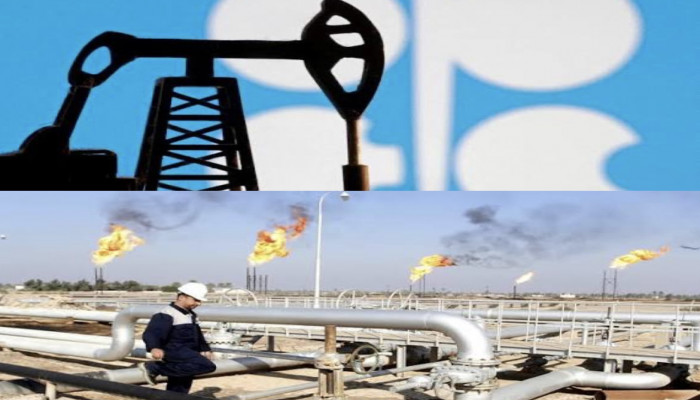
Iraq has rejected an assessment commissioned by the Organisation of the Petroleum Exporting Countries (OPEC), which places the country's maximum oil production capacity below 5 million barrels per day. The disagreement could trigger tensions at an important meeting on production targets scheduled for Sunday.
External consultants conducted the assessment and estimated Iraq's maximum production capacity at less than 5 million barrels per day. However, Baghdad has disputed the findings, according to people familiar with the matter.
Iraq's objection could complicate Sunday's online meeting of OPEC and its partner countries, led by Saudi Arabia. The alliance plans to use the assessment to review production targets. A higher capacity rating would give a country greater grounds to demand permission to increase its oil output.
Earlier this year, Iraq threatened to leave OPEC if the assessment did not assign it a sufficiently high production capacity. Although Baghdad later withdrew the warning, the threat raised concerns within the group. It came weeks after the United Arab Emirates (UAE), another major Middle Eastern oil producer, left the organisation. The UAE has since increased its oil production to record levels, highlighting the importance of retaining Iraq within the alliance.
Iraq's Oil Minister Basim Mohammed Khudair has written to OPEC, insisting that the country can achieve production of 5.2 million barrels per day, one person familiar with the matter said. Iraq's oil ministry and OPEC's secretariat in Vienna did not immediately respond to requests for comment.
OPEC and its partners set production quotas for member countries to maintain balance in global oil markets. However, Iraq has repeatedly opposed these restrictions over the past decade as it seeks to maximise oil revenues and rebuild its economy after years of conflict and sanctions.
OPEC's monthly report released earlier in November highlighted the gap between Iraq's claims and external assessments. Baghdad reported that its crude oil production reached nearly 4.9 million barrels per day in October, marking a new wartime high and exceeding its existing OPEC quota. However, data compiled by OPEC from external sources put Iraq's production at a considerably lower 4.491 million barrels per day.
Meanwhile, Iraq is facing internal turmoil. Prime Minister Ali Al-Zaidi ordered the temporary suspension of the director general of the North Oil Company and his deputies pending the outcome of an oil-smuggling investigation.
Al-Zaidi also directed the federal oil ministry to manage all ministry-owned oil fields in Diyala, Kirkuk, Salahuddin and Nineveh. These areas fall under the security authority of the Kurdistan Regional Government.



 Loading...please wait
Comments