



Iran’s Supreme Leader refuses de-escalation proposal
- In Reports
- 06:06 PM, Mar 17, 2026
- Myind Staff
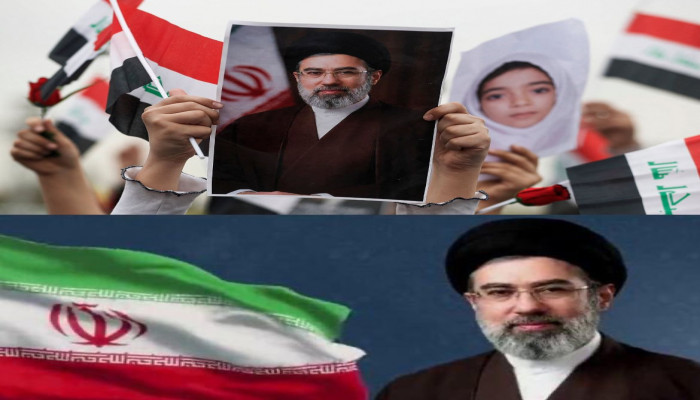
Iran’s Supreme Leader Ayatollah Mojtaba Khamenei has rejected a proposal aimed at reducing tensions and moving toward a ceasefire in the ongoing conflict in West Asia. His response comes at a time when international pressure is mounting to bring stability to the region, especially as violence continues to escalate and raises concerns of a broader war. The refusal highlights Iran’s firm stance and signals that the situation may remain tense in the near future.
According to the report, the proposal for de-escalation was put forward as part of diplomatic efforts to prevent further conflict. However, Khamenei dismissed the idea, stating that Iran would not agree to any plan that compromises its position or weakens its resistance. He emphasised that the country will continue to stand its ground and respond strongly to any external pressure or threats. His remarks underline Iran’s commitment to what it describes as defending its sovereignty and regional interests.
Khamenei also criticised the role of Western nations, particularly the United States, accusing them of double standards and interference in regional matters. He suggested that calls for peace and a ceasefire are not genuine but are instead politically motivated. According to him, such proposals are designed to limit Iran’s influence while allowing its adversaries to maintain their position. This reflects a deep mistrust between Iran and Western powers, which has been a long-standing issue in international relations.
The ongoing conflict has already caused significant damage and loss, with fears growing that it could spread beyond its current scope. Many countries and global organisations have been urging both sides to show restraint and engage in dialogue. However, Iran’s rejection of the ceasefire proposal indicates that diplomatic efforts are facing serious challenges. It also suggests that any resolution may take longer and require more complex negotiations.
In his statements, Khamenei made it clear that Iran believes in resistance rather than compromise under pressure. He conveyed that the nation would not accept terms that are imposed or that do not align with its interests. This position is likely to influence how the situation develops in the coming days, as it sets the tone for Iran’s approach to both the conflict and international diplomacy.
Meanwhile, global leaders continue to monitor the situation closely. There are increasing concerns about the humanitarian impact of the conflict, as civilians are often the worst affected in such situations. Efforts are being made by various countries to prevent further escalation, but progress remains limited due to strong positions taken by key players involved.
The rejection of the ceasefire proposal also reflects the broader geopolitical tensions in West Asia, where multiple interests and alliances converge. Iran’s stance is not just about the current conflict but also about maintaining its influence in the region. This makes the situation more complex, as any resolution would need to address not only immediate concerns but also long-term strategic issues.
As the conflict continues, the international community faces the difficult task of balancing diplomacy with the need to prevent further violence. Iran’s decision to reject the proposal adds another layer of instability, making it clear that achieving peace will require sustained and careful efforts from all sides involved.



 Loading...please wait
Comments