




Iran’s hidden oil network in China: Document reveals Tehran’s strategy to evade US sanctions
- In Reports
- 07:31 PM, Nov 09, 2026
- Myind Staff
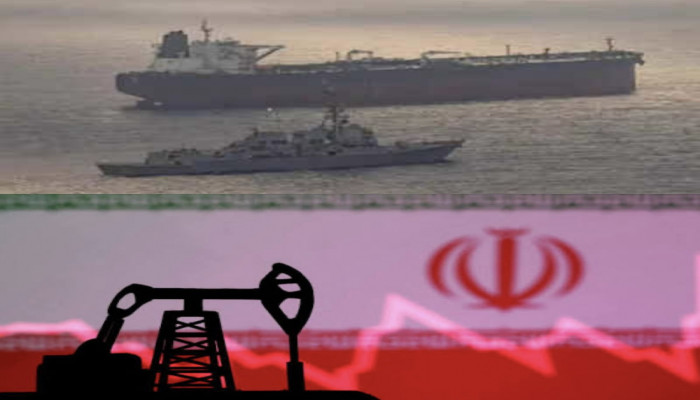
Iran has acquired control of oil terminals and storage facilities in China to keep its sanctioned oil shipments moving despite US restrictions, according to a confidential document obtained by Iran International and sources in Iran’s Oil Ministry.
The document contains a letter from Hamid Bovard, former head of the National Iranian Oil Company and current acting oil minister, responding to a confidential communication from former Supreme National Security Council secretary Ali Shamkhani to then-supreme leader Ali Khamenei. Shamkhani had described Iran’s oil sales under President Masoud Pezeshkian as disastrous. Both Shamkhani and Khamenei were killed in US-Israeli strikes on February 28, 2026.
Bovard criticised former President Ebrahim Raisi’s policy of using newer vessels. He said the Pezeshkian administration developed an alternative arrangement with China's covert cooperation. Under this system, trusted oil intermediaries were instructed to use sanctioned tankers capable of docking at designated Chinese ports.
Iran’s Foreign Ministry negotiated with Beijing to acquire port facilities and oil terminals. Tehran also secured long-term leases on large storage facilities, allowing it to sell crude directly in China. Tankers owned by Hossein Shamkhani, Ali Shamkhani’s son and a major shadow fleet operator, transport the oil to these facilities. The US Treasury has sanctioned 51 vessels linked to him.
Two Oil Ministry sources told Iran International that Iran controls facilities at three Chinese locations. These include a terminal in the Ningbo-Zhoushan free trade zone and smaller docks at Qingdao and Pant in Shandong province. Their proximity to pipelines allows crude to reach Chinese refineries without transfers between vessels.
Iran has also acquired seven oil storage tanks. Four are located in Dalian, Huizhou, Dongying and Weifang. The remaining three are in the Zhoushan area, including facilities on Aoshan Island, Shulanghu Island and the Zengyamuo oil zone.
The arrangement also generates revenue for China through storage fees. Reuters reported in January 2025 that 25 million barrels of Iranian crude were stranded in Chinese storage facilities, with Tehran paying $450 million in storage charges.
Bovard’s letter indicated that Beijing had started distancing itself from Iranian oil even before the 40-day war. China rejected Tehran’s request to increase import quotas, raised purchases from Venezuela and demanded bigger discounts on Iranian crude.
US Treasury Secretary Scott Bessent recently said China and the United States had more in common than differences. He added that China obtained 50 per cent of its energy needs from the Persian Gulf and supported free maritime trade through the Strait of Hormuz.
Bovard also accused Ali Shamkhani of prioritising his son’s oil business over national interests. He alleged that Hossein Shamkhani used government loans to purchase vessels but deployed them to transport Russian oil. He also received Iranian crude on consignment without collateral and sold it independently.
Bovard described the UAE as Shamkhani’s exclusive trading territory, claiming the Oil Ministry had effectively become his agent.
Former lawmaker Ahmad Amirabadi Farahani said the head of NICO had barred Hossein Shamkhani and three other intermediaries from selling Iranian oil over unpaid dues worth billions of dollars.
The letter also disputed Shamkhani’s claim that oil discounts increased from 50 cents per barrel under Raisi to $9 under Pezeshkian.
Amirabadi further alleged that four oil intermediaries met at a Dubai restaurant hours after Khamenei’s death and declared that the Islamic Republic was collapsing. They reportedly said they no longer needed to return proceeds from Iranian oil sales.
Oil Minister Mohsen Paknejad was subsequently dismissed. Persian Gulf Petrochemical Company board member Hossein Ghorbanzadeh said Pezeshkian had told a cabinet meeting that Khamenei wanted Paknejad removed over his handling of the oil intermediaries. The dismissal was delayed by Khamenei’s death and the outbreak of the 40-day war.



 Loading...please wait
Comments