



Iran warns of economic fallout for US over ‘Israel First’ approach
- In Reports
- 07:40 PM, Mar 19, 2026
- Myind Staff
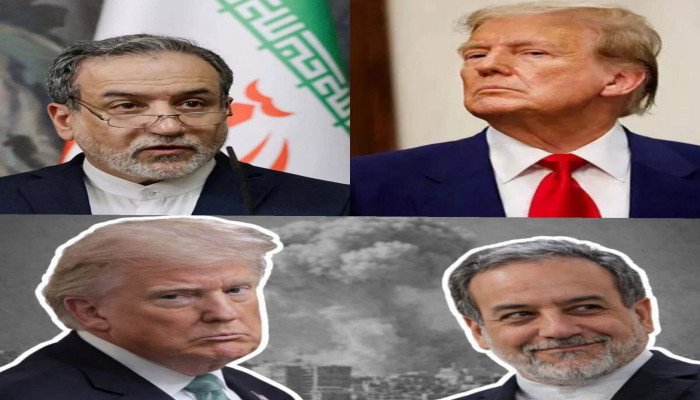
Iran has strongly criticised the United States for what it describes as an “Israel First” approach, warning that such a stance could have serious economic consequences for the American economy. The remarks come amid escalating tensions in the Middle East, with Tehran accusing Washington of prioritising Israeli interests at the cost of its own financial stability. Iranian officials argue that the growing military and financial commitments made by the US in support of Israel could eventually backfire, placing a heavy burden on American taxpayers.
According to Iran, the financial implications of US policies in the region are already significant and are expected to grow further. The Pentagon’s reported expenditure of $200 billion has been described by Iranian authorities as just the beginning, calling it the “tip of the iceberg.” They suggest that the actual long-term costs could be far greater, especially if the situation continues to escalate or if the US deepens its involvement in regional conflicts. This warning reflects Iran’s broader narrative that US foreign policy decisions are unsustainable and driven by political alignment rather than economic prudence.
The criticism also targets Israeli Prime Minister Benjamin Netanyahu, with Iran linking his policies to increased instability in the region. Tehran claims that Netanyahu’s actions have contributed to heightened tensions, which in turn compel the US to spend more on military operations and security measures. This cycle, according to Iranian officials, not only strains US resources but also risks dragging the country into prolonged conflicts with uncertain outcomes.
Iran’s statements highlight a growing concern about the economic ripple effects of geopolitical decisions. By framing US support for Israel as a form of indirect taxation on its own economy, Iran seeks to emphasise the domestic cost of foreign policy choices. The term “Israel First Tax” has been used to describe this phenomenon, suggesting that American citizens ultimately bear the financial burden of their government’s international commitments. This framing is intended to resonate with audiences who are already concerned about government spending and economic pressures.
At the same time, the US continues to defend its strategic partnership with Israel, viewing it as essential for maintaining stability and security in the Middle East. American officials argue that their support is necessary to counter threats and uphold regional alliances. However, Iran rejects this justification, insisting that such policies only fuel further conflict and increase the likelihood of broader regional instability. The disagreement reflects deep-rooted differences in how both countries view security and influence in the region.
The ongoing tensions have also drawn attention to the wider economic implications of military spending. Analysts note that large-scale defence expenditures can have mixed effects on an economy. While they may boost certain industries, they also divert resources from other sectors such as healthcare, education, and infrastructure. Iran’s argument builds on this perspective, suggesting that excessive military spending linked to foreign policy commitments could weaken the overall economic health of the United States over time.
In addition to economic concerns, the situation underscores the complex interplay between politics and finance in international relations. Iran’s remarks are not just a critique of US policy but also part of a broader effort to shape global opinion. By highlighting the financial costs of American actions, Tehran aims to challenge the narrative that US involvement in the region is purely beneficial or necessary. This approach reflects a strategic use of economic arguments to counter political and military influence.
Despite the sharp rhetoric, the situation remains fluid, with both sides continuing to engage in diplomatic and strategic manoeuvres. The US has not directly responded to the specific claims about the “Israel First Tax,” but it maintains that its actions are guided by national security interests and long-standing alliances. Meanwhile, Iran continues to position itself as a critic of what it sees as unjust and costly policies.
The developments point to a broader pattern of rising tensions and competing narratives in global politics. As conflicts and alliances evolve, the economic dimension of these relationships is becoming increasingly important. Whether Iran’s warnings will influence US policy or public opinion remains to be seen, but they add another layer to an already complex geopolitical landscape.



 Loading...please wait
Comments