



Iran snubs Pakistan’s mediation offer, rejects Islamabad venue for talks
- In Reports
- 04:31 PM, Mar 25, 2026
- Myind Staff
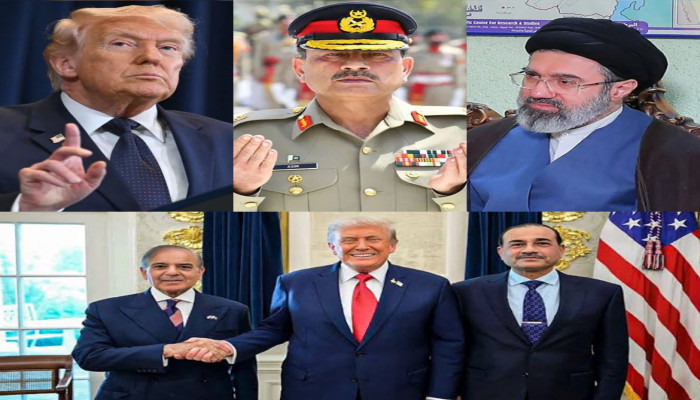
In a significant diplomatic move, Iran has refused to accept Pakistan as a mediator for any potential peace talks with the United States. Tehran has clearly communicated to Islamabad that it will not participate in negotiations led or hosted by Pakistan, putting an end to earlier expectations of talks being held there.
Pakistan had been trying to position itself as a key intermediary between Washington and Tehran. This effort gained attention after a reported direct communication between US President Donald Trump and Pakistan’s Army Chief Asim Munir. However, Iran’s outright rejection has cast serious doubt on Islamabad’s role and its ability to influence the situation.
The situation became more tense after an incident in the strategically important Strait of Hormuz. Reports state that an Iranian naval unit stopped a Pakistani ship attempting to pass through the area and sent it back due to a lack of proper authorisation. This action reflects Iran’s strict control over the region and reinforces its firm stance against Pakistan’s involvement.
Despite Pakistan’s public statements suggesting a mediating role, Iran’s response indicates that it is not willing to involve Islamabad in any diplomatic process. The development is being seen as a setback for Pakistan, which had hoped to play a larger role in easing tensions between the US and Iran, along with other countries like Turkey and Egypt.
Experts believe this move highlights the complex nature of Middle East diplomacy. Long-standing mistrust, regional competition, and military strength continue to shape decisions. Iran appears to be sending a clear signal that it prefers to deal directly with the United States rather than through regional intermediaries.
The incident also shows the limitations of Pakistan’s influence in the ongoing geopolitical situation. It underlines how carefully countries like Iran choose their diplomatic channels while handling sensitive international issues.



 Loading...please wait
Comments