




Iran sets seven conditions for US talks, awaits Trump’s response
- In Reports
- 01:27 PM, Sep 21, 2026
- Myind Staff
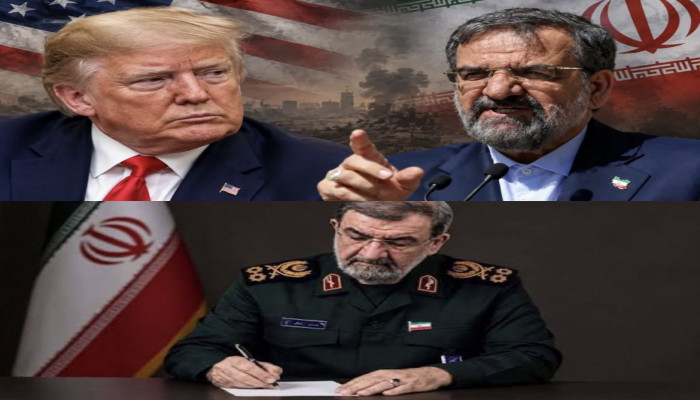
Iran has presented seven conditions to the United States for starting negotiations to end the ongoing Middle East war and is now waiting for US President Donald Trump’s response. Tehran’s conditions include ending hostilities across all fronts, releasing Iranian assets and lifting the US naval blockade of Iranian ports.
Mohsen Rezaei, head of Iran’s Supreme National Security Council, said on Saturday that Tehran had formally conveyed its demands to Washington. The statement comes as the regional conflict has entered its seventh month and fighting has also intensified between Saudi Arabia and Yemen’s Houthi rebels.
"Seven conditions of Iran for starting any negotiation have been announced to the US government. Tehran's message is clear and unambiguous; if Washington wants to get out of the quagmire it has created itself and not get more entangled in it, it has no choice but to accept Iran's rights and conditions," he posted on X early Sunday.
In an interview with Qatar-based Al Jazeera published on Saturday, Rezaei outlined some of the conditions. He said Iran wants the war to end on all fronts, Iranian assets seized during the conflict to be released and the US naval blockade of Iranian ports to be lifted. Tehran also wants an end to fighting between Saudi Arabia and Yemen’s Houthis.
"We remain in contact with the mediator Qatar, which has conveyed our conditions to Washington with the aim of ending the war. We are awaiting President Donald Trump's response," he told Al Jazeera.
"It is in Washington's interest to accept these conditions. Trump's threats will not achieve any results. We are prepared for a decisive war," he added.
Rezaei also warned that another US strike on Iran remained a strong possibility. He said the assessment was based on information gathered by Iran’s military. At the same time, he said Tehran had adopted a new strategy to end the conflict as quickly as possible.
The current war began on February 28 when US and Israeli forces launched joint strikes on Iran. The attacks killed several senior Iranian leaders, including the country’s then 86-year-old Supreme Leader Ali Khamenei. Iran responded by targeting US and Israeli assets across the Middle East.
Trump and Iranian President Masoud Pezeshkian later signed a 14-point agreement on June 17 to end the war. The deal called for an immediate halt to military operations, including in Lebanon, and required both sides to work towards a final agreement within 60 days.
However, Trump declared the agreement "over" on July 8. Tehran suspended the memorandum of understanding a week later and accused Washington of failing to honour its commitments.
The US has accused Iran of failing to fulfil an agreement to reopen the Strait of Hormuz, a key global shipping route. Iran has maintained that Washington failed to meet its own commitments, including lifting the blockade of Iranian ports and releasing frozen Iranian assets.



 Loading...please wait
Comments