




Iran seizes two Gujarat-bound cargo vessels in Hormuz raising fresh concerns for India
- In Reports
- 07:56 PM, Apr 22, 2026
- Myind Staff
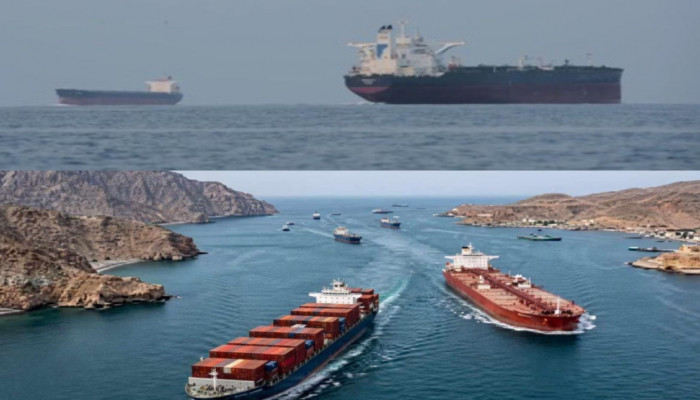
A cargo ship headed for Gujarat was among two vessels attacked and seized by Iran’s Revolutionary Guards on Wednesday, raising fresh concerns for India and increasing tensions in the region. The incident took place in the Strait of Hormuz, a crucial route for global oil transport. It happened just hours after US President Donald Trump extended a fragile two-week ceasefire.
According to reports, the two ships, Panama-flagged MSC Francesca and Liberia-flagged Epaminodes, are now in the custody of Iran’s Islamic Revolutionary Guard Corps (IRGC) and have been taken to Iran. Iranian state television confirmed the development. A third vessel, the Greek-owned Euphoria, was also targeted during the incident and is currently stranded along Iran’s coast.
Maritime traffic data showed that the Epaminondas was on its way to Mundra Port in Gujarat. The ship had departed from Dubai and was heading towards India when it was intercepted. The Iranian navy stated that the vessels did not have "required authorisation" and "manipulated navigation systems", endangering maritime safety.
Earlier, the United Kingdom Maritime Trade Operations reported that three merchant ships came under fire in the Strait of Hormuz. The waterway has largely remained under Iran’s control since the conflict began. Iran’s tightening grip on this key route has disrupted global oil supplies and pushed crude prices higher.
Reports indicated that one of the ships sustained damage to its bridge, which is the central control area of the vessel. The attack involved gunfire and rocket-propelled grenades. Despite the damage, there were no injuries reported among the crew members.
This latest action is being seen as a possible response to recent developments involving the United States. In recent days, US Marines had boarded and seized two Iranian-flagged cargo ships near the Gulf of Oman as part of an ongoing naval blockade. The blockade targets ships entering and exiting Iranian ports and has become a major point of conflict between Washington and Tehran.
Iran has demanded the removal of the blockade as a condition for any peace talks. However, President Trump has made it clear that the naval blockade will continue. The move is aimed at cutting Iran’s oil revenues and putting pressure on its economy.
The current incident follows closely after two Indian vessels were attacked last week in the same region. The ships, Jag Arnav and Sanmar Herald, were fired upon by the Iranian navy despite earlier assurances from Tehran that vessels from five "friendly" nations would not be targeted.
Jag Arnav, an India-flagged bulk carrier, was travelling from Saudi Arabia to India at the time of the attack. Sanmar Herald was transporting oil from Iraq to India. Both ships were part of the regular movement of Indian vessels through the Strait of Hormuz. In April alone, around 10 Indian ships passed through this route.
The repeated attacks have raised serious concerns about maritime safety and stability in the region. Questions are also being raised about decision-making within Iran. Several reports suggest that the powerful IRGC may be acting independently and has sidelined the country’s political leadership in such matters.
Following the attacks on Indian vessels, India took diplomatic action and summoned the Iranian envoy. The government expressed its "deep concern" over the incidents and sought clarification on the safety of Indian ships passing through the region.
The situation remains tense as the Strait of Hormuz continues to be a flashpoint. Any further escalation could impact global trade and energy supplies, while also affecting India’s maritime interests directly.



 Loading...please wait
Comments