




Iran releases fresh shipping routes in Hormuz to reduce risks from sea mines
- In Reports
- 01:09 PM, Apr 09, 2026
- Myind Staff
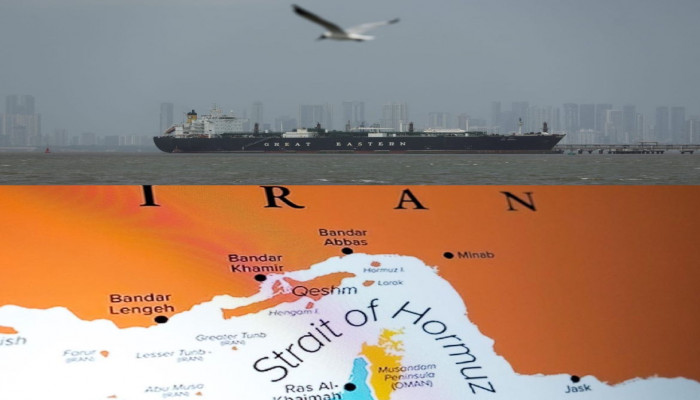
Iran has released fresh navigational maps for ships passing through the Strait of Hormuz to reduce risks from suspected sea mines in the region. These new routes guide vessels through specific corridors to ensure safer transit in one of the world’s most important oil shipping lanes, which carries nearly one-fifth of global oil supply.
Despite these measures, uncertainty continues over whether the strait is fully open. Reports from the previous night suggested that Iran had shut down the waterway following Israeli attacks on Lebanon. Tehran reportedly viewed these actions as a violation of its ceasefire agreement with the United States. The situation remains unclear, with mixed signals coming from different sides.
The ceasefire agreement, announced early Wednesday, requires the US and Israel to halt military operations against Iran. In return, Tehran agreed to allow ships to pass through the Strait of Hormuz. This arrangement is set for two weeks and is intended to create space for broader negotiations aimed at achieving long-term peace in the region.
According to a statement carried by local media and reported by AFP, Iran’s Revolutionary Guards highlighted the importance of following the revised shipping routes. They said ships must comply with updated traffic patterns to avoid mine-related dangers and ensure maritime safety. The advisory clearly defines entry and exit corridors to lower risks for commercial vessels operating in the area.
Iranian state media, cited by Al Jazeera, reported that the Islamic Revolutionary Guard Corps (IRGC) Navy has also urged ships to coordinate closely with its forces while passing through the strait.
Under the new routing system, ships entering from the Sea of Oman are instructed to move north of Larak Island before entering the Gulf. On the other hand, vessels leaving the Gulf are advised to travel south of the island and continue towards the Sea of Oman. These directions are designed to steer ships away from potentially dangerous zones and reduce exposure to threats.
The ceasefire between the US and Iran was reportedly mediated by Pakistan and agreed upon on Tuesday. It depends on Iran halting its blockade of oil and gas shipments through the strait. This blockade had disrupted global energy supplies and raised concerns in international markets over the past several weeks.
An Iranian official told Reuters that a partial reopening of the Strait of Hormuz could happen by Friday. However, this would still remain under Iranian oversight, indicating that Tehran intends to maintain a level of control over the movement of ships even during the ceasefire period.
Iran has also hinted at introducing transit charges for vessels using the strait as part of any long-term agreement. This proposal has added another layer of complexity to ongoing discussions. Some reports suggest that Oman has opposed this idea, arguing that such tolls would go against existing international agreements governing the waterway. At the same time, other sources indicate that a fee system may already be in place or under consideration.
Even US President Donald Trump told ABC News that Washington is considering a joint mechanism to impose transit charges on ships using the strait.
With several details of the ceasefire still unclear, the situation in the Strait of Hormuz remains fluid. While the new shipping routes aim to improve safety, broader questions about access, control, and future regulations of the waterway continue to create uncertainty for global trade and energy markets.



 Loading...please wait
Comments